Parents of a child with a diagnosed food allergy
Start with the allergen named in the child’s allergy-management plan. Check the exact pack’s free-from claim, ingredients and precautionary advice rather than relying on a plain-sounding flavour.


Choose a school-lunch snack for the child’s specific allergen or gluten requirement, not because its flavour sounds plain. For a diagnosed allergy, check the current pack for a free-from claim covering that allergen, its ingredients and any precautionary statement; for coeliac disease, look for a gluten-free label and check other relevant allergens separately. The child’s allergy-management arrangements and the school’s food policy also matter.
Start with the allergen named in the child’s allergy-management plan. Check the exact pack’s free-from claim, ingredients and precautionary advice rather than relying on a plain-sounding flavour.
Look for a gluten-free label on the product. If milk or another allergen also matters, check that separately: gluten-free does not mean free from every allergen.
Check the school’s packed-lunch rules, including any requirements concerning nuts or sesame. A brand statement about one allergen does not establish that every product meets every school requirement.
Start with the child’s particular requirement, then check the current product pack and the school’s arrangements.
| Priority | What to check | Your needs |
|---|---|---|
| Named allergen | Look for a free-from claim naming the allergen. Read the ingredients and any “may contain” or factory-handling statement on the current pack. The Food Standards Agency distinguishes a free-from claim for a specified allergen from precautionary information about possible unintended presence. | My child needs to avoid a particular allergen, so a short ingredient list or a salted flavour alone will not answer the question. |
| Gluten | Check for a gluten-free label on the exact product. Coeliac UK explains that foods labelled gluten free must contain no more than 20 parts per million of gluten; check separately for any other relevant allergen. | For a child with coeliac disease, I need a gluten-free product without assuming that the same label also rules out milk or other allergens. |
| Exact flavour | Compare the ingredients and allergy advice for the flavour and pack being bought, even when a brand describes a wider range as gluten free or free from a particular ingredient. | I want a check I can repeat when I change flavours or buy another pack, rather than relying on the brand name. |
| School arrangements | Confirm the school’s food policy and, for a diagnosed allergy, make sure the school knows the child’s needs and allergy-management arrangements. Cambridge University Hospitals NHS Foundation Trust advises parents to inform the school and review its allergy policy. | A snack that meets my child’s food requirements also needs to fit the arrangements in place during the school day. |
Tyrrells lists potatoes, sunflower oil and sea salt for Lightly Sea Salted, yet its allergy advice says “May contain Milk”. Walkers Ready Salted lists several allergens handled in its factory.
For a diagnosed allergy, use the child’s named allergen requirement and the current pack’s full allergy information, not “plain” or “salted” as a shortcut.
Seabrook labels its Cheese & Onion crisps gluten free, but lists lactose and cheese powder from milk.
Check the gluten-free label for the gluten requirement, then inspect that flavour’s ingredients for milk and any other allergen the child must avoid.
KETTLE Chips’ statement about nuts and sesame addresses those ingredients. REAL Hand Cooked Crisps’ range-wide gluten-free statement addresses gluten. Neither statement answers a different allergen question on its own.
Use brand information to narrow the options, then check the exact product and its current pack.
Food chosen for a child with an allergy must also fit the school’s allergy procedures and the child’s individual arrangements.
Before packing it, confirm the school’s food policy and ensure staff have been told about the child’s needs.
These brand examples show why the exact flavour’s label matters; a brand name alone does not establish suitability for a child’s requirement.
Walkers provides product-level ingredients and allergy advice for its UK crisps.
Its Lightly Sea Salted product illustrates the difference between recipe ingredients and allergy advice.
The manufacturer provides information relevant to nut and sesame checks.
Seabrook describes its gluten-free crisp range as Coeliac UK accredited.
McCoy’s Salted shows why a familiar flavour name cannot replace an allergen check.
REAL describes its crisp range as gluten free and vegetarian.
These options include crispbread, lentil chips and cassava chips for a school packed lunch. They are not all potato crisps; check each current pack against the child’s specific requirements before choosing.
 No image available
A crispbread option when a gluten-free labelled snack is needed for lunch. It is not a potato crisp; check the current pack for any other allergens relevant to the child.
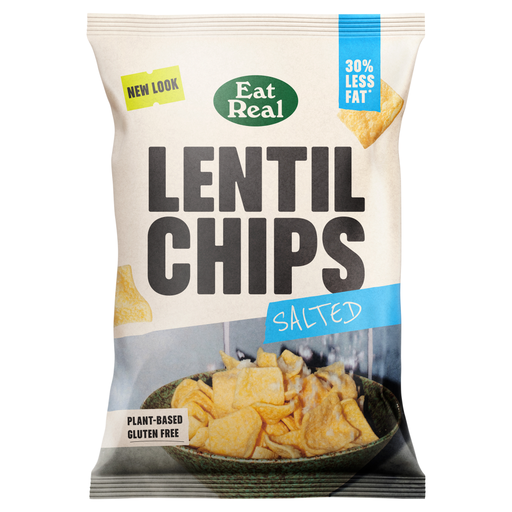 No image available
Sea-salt lentil chips rather than potato crisps. If gluten or another allergen matters, check the exact pack’s claims, ingredients and precautionary advice.
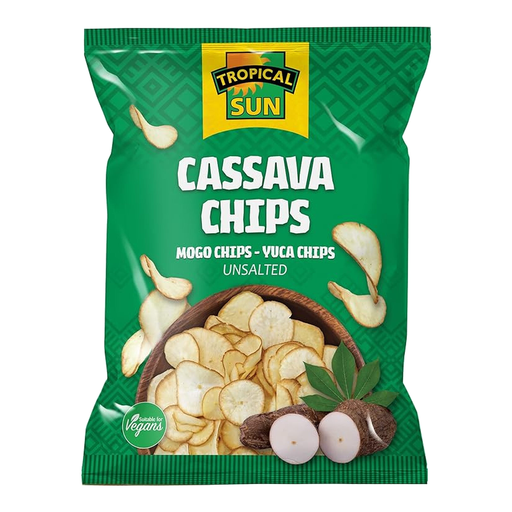 No image available
An unsalted cassava-chip option for a lunchbox. Unsalted does not mean allergen free: check the current ingredients and allergy advice. Check the pack’s choking warning before offering it to a young child.
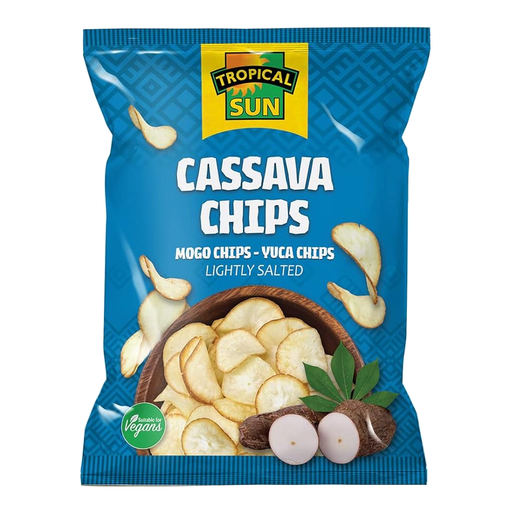 No image available
A lightly salted cassava-chip option. Check the exact pack for the child’s named allergen rather than relying on the short flavour description. Its product information warns of small, sharp pieces; supervise young children while eating.
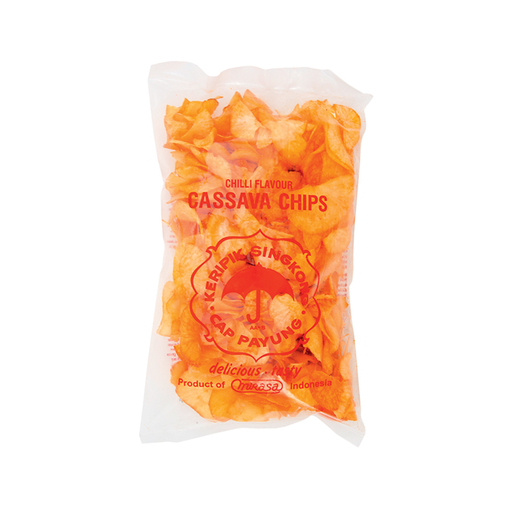 No image available
A chilli-flavoured cassava-chip option for children who like that flavour. Check the current pack for the specific allergen or gluten claim needed; the flavour and ingredient list alone do not establish free-from suitability.
No. The Food Standards Agency describes a free-from claim as a guarantee concerning the specified allergen. An ingredients list identifies what is deliberately used in the recipe; precautionary advice can also communicate possible unintended presence.
Yes. Gluten-free labelling addresses gluten, not milk: Coeliac UK states that foods labelled gluten free must contain no more than 20 parts per million of gluten. Seabrook’s gluten-free Cheese & Onion flavour lists milk ingredients, so check the exact flavour if milk matters too.
Not on the strength of its flavour name. Tyrrells Lightly Sea Salted lists a short recipe but says it may contain milk. Check the current pack’s claim and allergy advice against the child’s individual requirements.
Yes, particularly when the child has a diagnosed food allergy. Cambridge University Hospitals NHS Foundation Trust advises parents to tell the school about the child’s needs and review its allergy policy; check that the snack fits the child’s school arrangements.