Students who need gluten-free snacks
When stocking a first shared kitchen, look for a gluten-free claim on the product you are buying rather than assuming potato crisps meet the requirement.


For a student move-in shop, start with the restriction that matters: choose a product explicitly labelled gluten-free if gluten is the concern, or check the exact flavour against each allergen that must be avoided. A gluten-free or vegan claim does not settle other allergen requirements, so read the current pack’s ingredients and any precautionary statement before buying for a shared kitchen.
When stocking a first shared kitchen, look for a gluten-free claim on the product you are buying rather than assuming potato crisps meet the requirement.
An explicit vegan statement helps when avoiding animal-derived ingredients. Check allergen information separately if anyone sharing the snacks has an allergy.
If milk, soya, mustard, wheat or another named allergen matters, read the ingredients and precautionary statement for the exact flavour and pack.
Identify the dietary requirement first, then check the selected pack; a claim on one flavour does not answer every question about another.
| Priority | What to check | Your needs |
|---|---|---|
| Gluten-free claim | Look for an explicit claim on the exact product. Check the chosen flavour and pack format rather than relying on its potato ingredients or plain-sounding name. | I need a snack labelled gluten-free, not an assumption that all crisps made from potatoes are suitable. |
| Specific allergens | Compare the ingredients and any ‘may contain’ statement with each allergen to be avoided. The Food Standards Agency explains that precautionary allergen labelling communicates possible unintended presence. | Milk, soya or mustard could change my choice even when a product is labelled gluten-free. |
| Shared-kitchen suitability | Check vegan suitability separately from allergen information. Make sure the flavour and pack being shared match the dietary requirements of the people eating them. | For a shared cupboard, I want everyone to be able to identify which snacks meet their own requirements. |
A gluten-free claim addresses gluten, not whether milk, soya, mustard or another allergen is present or covered by a precautionary statement.
List the allergens that matter before shopping, then check each one against the exact pack.
Vegan suitability concerns animal-derived ingredients; it does not resolve every allergen or cross-contact question.
Use the vegan statement for that dietary preference, and read the ingredients and allergen information separately.
Walkers Ready Salted lists allergens handled in its factory, while Tyrrells Lightly Sea Salted and McCoy’s Salted carry ‘may contain’ information for specified allergens.
Read beyond the flavour name, including when choosing individual packs within a multipack.
An allergen statement for one flavour does not establish what appears on another product from the same brand.
Recheck the current packaging when changing flavour or pack format, particularly for snacks bought to share.
These brand statements and product examples are starting points for checking labels, not assurances that every flavour meets the same requirements.
Seabrook describes its gluten-free crisps and snacks as Coeliac UK accredited.
KETTLE describes its Lightly Salted chips as gluten-free and suitable for vegans and vegetarians.
REAL states that its crisp range is vegetarian and gluten-free.
Walkers Ready Salted shows why the ingredients and factory-handling information both matter.
Tyrrells lists potatoes, sunflower oil and sea salt for Lightly Sea Salted.
McCoy’s Salted is a reminder to check allergen information even for a salted flavour.
These lentil, cassava and plantain chips are crisp alternatives for a student move-in shop. Check the current pack against the dietary requirements of anyone who will eat them.
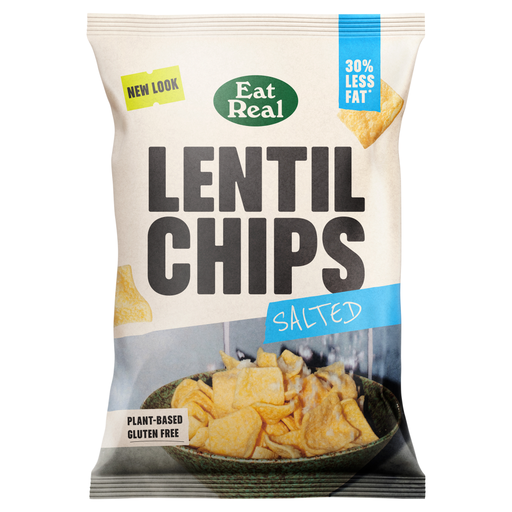 No image available
A sea salt lentil-chip option described as gluten-free. Its stated precautionary information says ‘may contain soya and celery’, so check the pack if either allergen matters.
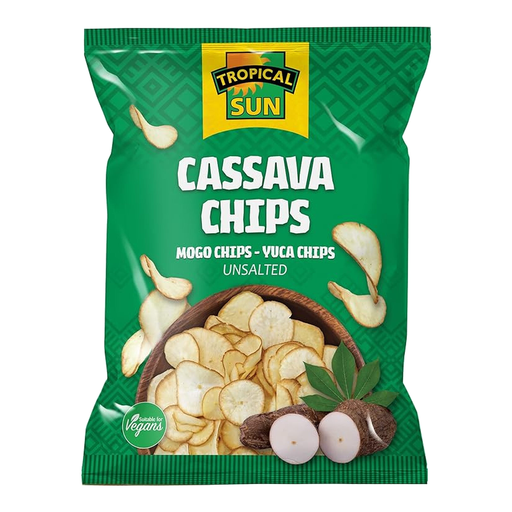 No image available
An unsalted cassava-chip option described as gluten-free. The product information lists cassava and palm oil as ingredients; check the current pack for the allergen information relevant to your household.
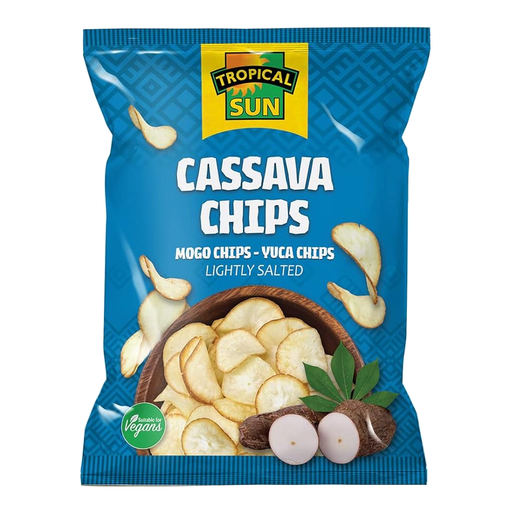 No image available
A lightly salted cassava-chip alternative described as gluten-free. If vegan suitability or avoidance of a particular allergen is required, check the statements on this exact pack rather than judging by its ingredients or flavour.
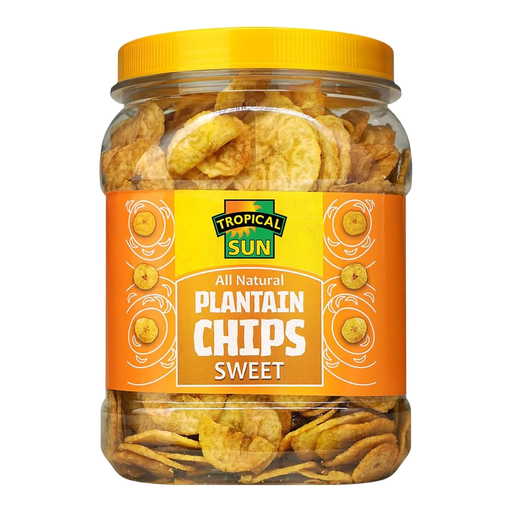 No image available
A naturally sweet rather than savoury plantain-chip option, described as gluten-free and suitable for vegans. Check the current pack separately for any specific allergen requirement.
 No image available
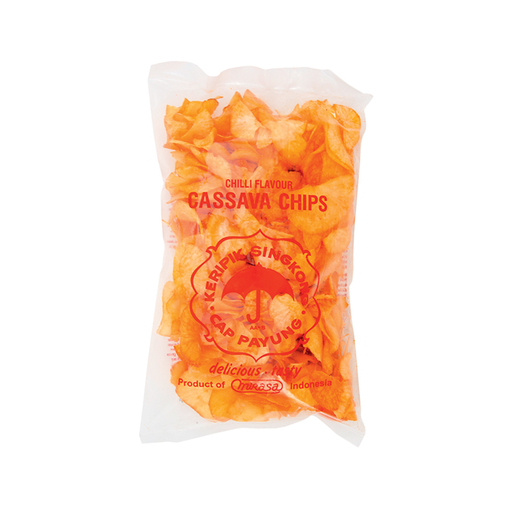
A chilli-flavoured cassava-chip option described as gluten-free and suitable for vegans. The chilli flavour may not suit everyone sharing the snacks; check the pack for each person’s allergen requirements.
No. A gluten-free claim concerns gluten; it does not establish that milk, soya, mustard or another allergen is absent. Check the exact pack’s ingredients and precautionary statement for the restriction that matters.
No. Walkers says its Ready Salted crisps are made in a factory handling several allergens, Tyrrells says Lightly Sea Salted may contain milk, and McCoy’s says Salted may contain milk, soya, gluten and mustard. Read the current pack rather than relying on the flavour name.
According to the Food Standards Agency, precautionary allergen labelling communicates that a regulated allergen could be unintentionally present. Compare the named allergen with the individual’s allergy-management advice before choosing a product.
No. Vegan suitability addresses animal-derived ingredients, not every allergen or possibility of cross-contact. Check the exact product’s ingredients and precautionary allergen information separately.