Shoppers looking for gluten-free crisps
Look for an explicit gluten-free statement on the product you intend to eat. Coeliac UK notes that seasoning and frying can affect whether potato crisps are suitable for a gluten-free diet.


Choose crisps by the specific ingredient you need to avoid, then check the current packet: gluten-free, vegan and dairy-free describe different requirements. Seabrook and REAL state that their crisp ranges are gluten-free, while KETTLE labels its Lightly Salted product gluten-free and vegan; none of those statements replaces a flavour-specific allergen check. If salt matters too, compare the nutrition information per 100g and per serving rather than relying on the flavour name.
Look for an explicit gluten-free statement on the product you intend to eat. Coeliac UK notes that seasoning and frying can affect whether potato crisps are suitable for a gluten-free diet.
Check the exact flavour’s ingredients and precautionary wording. A gluten-free claim does not establish that a crisp is free from milk or another allergen.
Read salt per serving alongside salt per 100g, particularly when choosing between an individual pack and a sharing bag. The NHS advises adults to have no more than 6g of salt a day.
Identify the ingredient or dietary rule that matters first; then compare the exact flavour’s allergen information, salt figures and serving size.
| Priority | What to check | Your needs |
|---|---|---|
| Gluten-free status | Look for an explicit gluten-free claim on the exact product. Read the ingredients and any may-contain-gluten wording; Coeliac UK notes that seasoning and frying can affect suitability. | I need a gluten-free crisp, not just a potato-based one. |
| Other allergens | Check ingredients for the allergen you avoid, then read any may-contain or factory-handling statement. Check vegan claims separately from allergen information. | If I avoid milk or another allergen, a gluten-free or vegan label alone does not answer my question. |
| Salt and portion | Compare salt per 100g across products and salt per stated serving for the amount you plan to eat. Check how many servings the pack contains. | For a late supper, I want to know what my portion contains rather than treating a sharing bag as one serving. |
A gluten-free product can still have ingredients or precautionary wording relevant to milk or another allergen.
Name the ingredient you need to avoid and check the exact flavour’s packet against that requirement.
Coeliac UK notes that seasoning and frying can affect whether crisps are suitable for a gluten-free diet.
Look for an explicit gluten-free claim and check the current ingredients and allergen statement.
“Lightly salted” and “no salt” names do not provide a like-for-like comparison between different serving and bag sizes.
Compare the nutrition panels per 100g, then check the salt figure for the portion you intend to eat.
The packet you receive is the one whose ingredients and allergen advice apply to your purchase.
Before eating, read its ingredients, precautionary statements, nutrition panel and stated serving size.
These brand statements help narrow a search, but the particular flavour and packet still determine whether a product meets your requirements.
Seabrook says its crisps and snacks are gluten-free and Coeliac UK accredited.
REAL says its whole crisp range is gluten-free and vegetarian, and that six recipes are suitable for vegans.
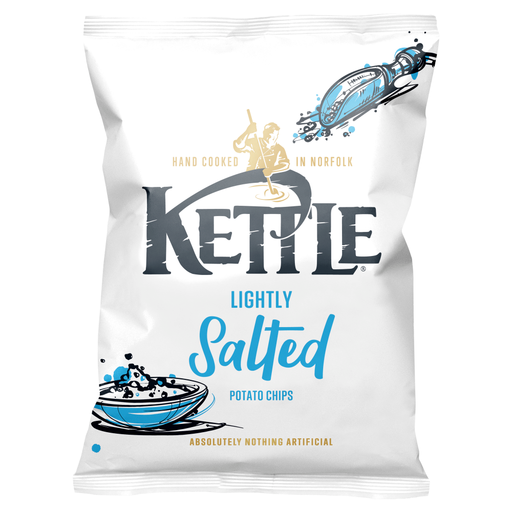
KETTLE labels its Lightly Salted product gluten-free and suitable for vegans and vegetarians.
Tyrrells Naked (no salt) lists 0.02g salt per 30g serving.
Walkers’ Ready Salted product page gives a factory-handling statement that needs checking against individual allergen requirements.
McCoy's Salted flavour carries a precautionary allergen statement.
These options include potato crisps and cassava or taro chips for a late-night savoury snack. Check each packet for the particular free-from claim, allergen warning and portion information you need.
 No image available
KETTLE labels Lightly Salted gluten-free and suitable for vegans. If you avoid other allergens, check the packet’s facility-handling warning before choosing this 130g bag.
 No image available
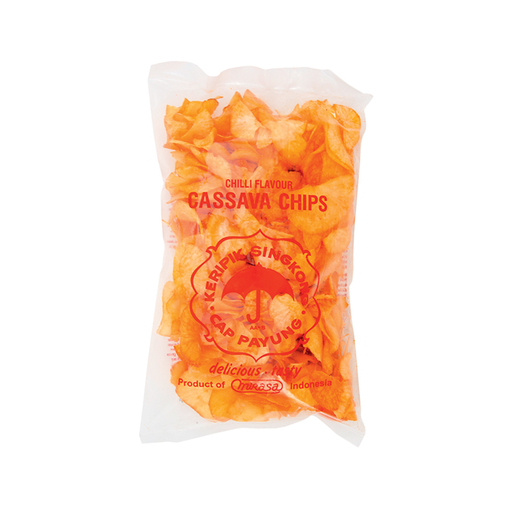
A chilli-flavoured cassava-chip alternative to potato crisps. Check the packet’s full ingredients and allergen advice against the ingredient you need to avoid; do not treat a broad allergen claim as a substitute.
 No image available
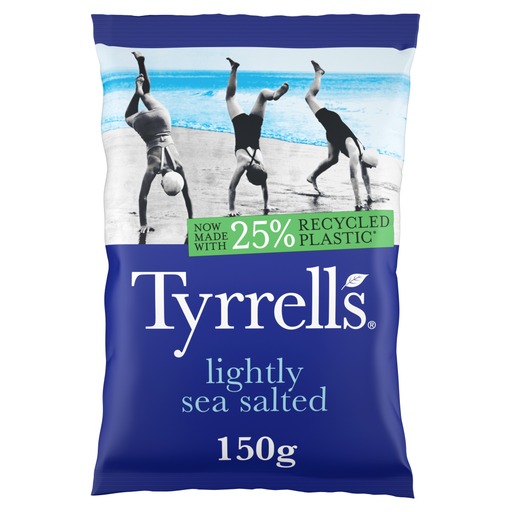
A lightly sea-salted potato crisp, distinct from Tyrrells Naked (no salt). Its allergen information includes a may-contain-milk warning; check the current pack if milk avoidance or gluten-free status matters to you.
 No image available
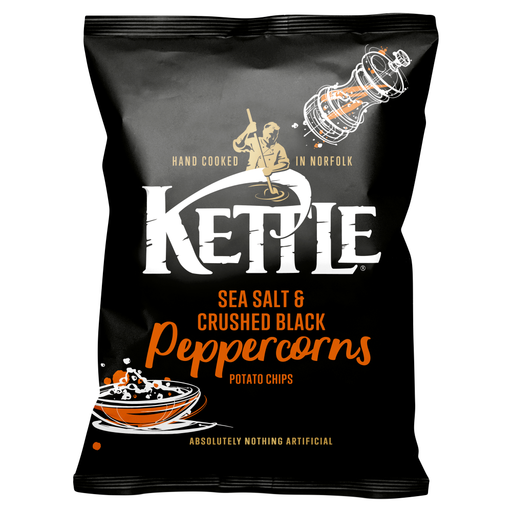
This pepper-seasoned potato crisp is a different flavour from KETTLE Lightly Salted, so do not transfer that product’s gluten-free claim to it. Check the packet’s allergen warning, particularly if you avoid milk or soya.
 No image available
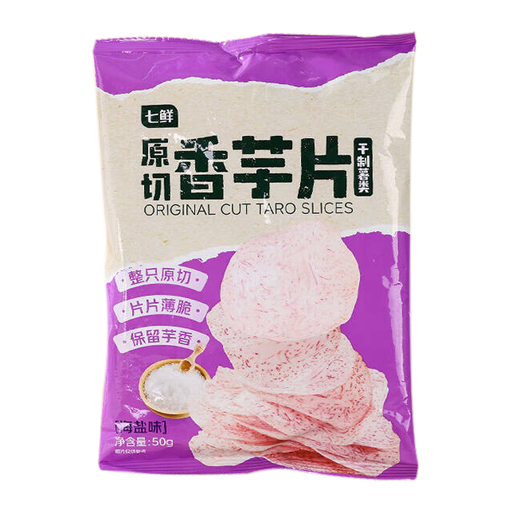
A 50g taro-chip alternative to potato crisps. Check the packet for an explicit claim relevant to your dietary requirement, as well as its ingredients, allergen advice and salt per serving.
No. A gluten-free claim addresses gluten, not milk or every other allergen. Check the exact crisp packet’s ingredients and precautionary wording for the ingredient you need to avoid.
No. Coeliac UK notes that seasoning and frying can affect suitability for a gluten-free diet. Look for an explicit gluten-free claim and check the current packet rather than relying on potatoes as the base ingredient.
It is a precautionary warning that an allergen could be unintentionally present, rather than an ingredient declaration. The Food Standards Agency describes precautionary allergen labelling as a way to communicate that possibility; assess the named allergen against your own requirements.
Its salt figure does not establish milk suitability: Tyrrells labels Naked (no salt) “may contain milk”. The manufacturer lists 0.02g salt per 30g serving, but the milk warning needs separate attention. This is not the same product as Tyrrells Lightly Sea Salted.
Use salt per 100g for a like-for-like product comparison, then use each pack’s per-serving figure and serving size for the portion you plan to eat. The NHS advises adults to have no more than 6g of salt a day.