Gluten-free riders planning longer rides
Compare the carbohydrate in each bar with the amount you plan to take on the ride. Check the exact pack for other ingredients and warnings, including milk, soy, peanuts and tree nuts.


For rides of up to about 90 minutes, you generally do not need a bar during the ride, according to British Cycling; on longer rides, compare carbohydrate per portion with your fuelling plan. Choose only a bar whose exact ingredients and precautionary allergen warnings meet your needs: gluten-free does not mean free from nuts, milk or soy.
Compare the carbohydrate in each bar with the amount you plan to take on the ride. Check the exact pack for other ingredients and warnings, including milk, soy, peanuts and tree nuts.
A fruit-and-nut bar may meet these preferences if its named nuts are suitable for you. Check its carbohydrate per portion rather than assuming one small bar covers a longer ride’s fuelling plan.
The exact ingredient declaration and any precautionary allergen statement matter more than a broad free-from label. Read them for each flavour and pack size before carrying a bar on a ride.
Start with ride length and the allergens you must avoid, then compare portions you can carry and eat as planned.
| Priority | What to check | Your needs |
|---|---|---|
| Ride length and carbohydrate | Check carbohydrate per bar and how it fits your planned intake. British Cycling says rides up to about 90 minutes generally need no additional fuel during the ride; its longer-ride reference is 0.5–1 g carbohydrate per kg bodyweight per hour, depending on intensity. | For a longer ride, I want to know what each portion contributes and whether I will need other food or drink. |
| Allergen compatibility | Read the exact pack’s ingredients, declared allergens and precautionary warnings. Check each flavour separately; gluten-free and vegan claims do not cover every allergen. | I need to rule out the ingredients and warnings relevant to my own avoidance requirements before choosing a bar. |
| Portion and handling | Check bar size, whether you can divide it into smaller portions and how its texture works for you in training. | A portion I can manage at planned stops matters more to me than a claim on the front of the pack. |
| Protein-bar claims | Read carbohydrate and protein as separate figures per bar. A protein claim does not tell you how much carbohydrate that portion supplies. | If I plan to eat the bar during a longer ride, I want its carbohydrate contribution to be clear. |
A gluten-free bar can still contain nuts, milk or soy, or carry a precautionary warning for them.
Check the current ingredients and warnings for the exact flavour and pack size, rather than relying on a range label.
Protein on the front of a pack does not establish its carbohydrate contribution. British Cycling’s longer-ride carbohydrate guidance depends on bodyweight and intensity.
Compare carbohydrate per bar with your planned intake, then work out what other portions, foods or drinks you intend to carry.
An advisory warning may matter even when the allergen is not listed as an ingredient. TREK Original Oat, for example, carries warnings for peanuts, nuts and milk.
Check precautionary statements against the advice you follow for your allergy; do not treat another free-from claim as a substitute.
You may not know whether its texture or portion size works for you while riding.
Try the exact bar and the amount you intend to eat during training before relying on it at an event.
Free-from descriptions apply to particular bars or ranges, not automatically to every product from a brand.
TREK offers plant-based flapjacks and protein bars. Its Original Oat flapjack is described by TREK as vegan and gluten-free.
nākd. describes its fruit-and-nut bar range as suitable for vegan, gluten-free and dairy-free diets.
Nature Valley offers a Salted Caramel Nut protein bar within its snack-bar range.
Eat Natural has a UK gluten-free range spanning several snack-bar formats.
Graze sells oat-based snacks, including Cocoa Vanilla Oat Boosts.
Alpen is a cereal and muesli brand rather than a gluten-free snack-bar choice.
These oat flapjacks, oat bars and protein bars are options to compare for cycling snacks. Check each flavour’s allergen information and carbohydrate per bar against your own requirements.
 No image available
A 50 g flapjack portion to consider for longer rides. This Cocoa Oat option is described as gluten-free and vegan; it contains soy and carries ‘may contain’ warnings for milk, nuts and peanuts. Check its carbohydrate per bar when planning what to carry.
 No image available
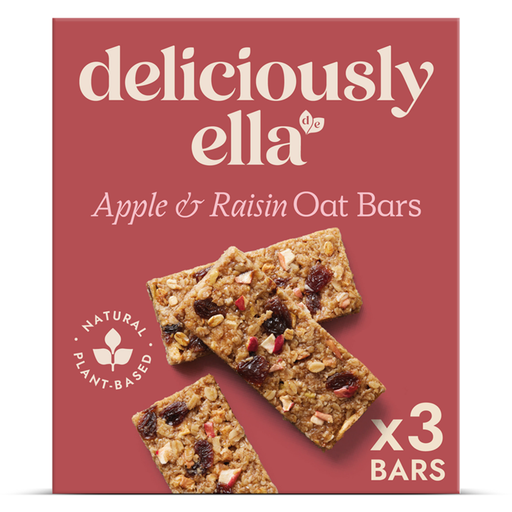
Each bar is a 50 g portion for riders comparing oat-bar formats. This option is described as gluten-free and vegan; check its precautionary warnings for milk, nuts, peanuts and soy against your avoidance needs.
 No image available
A 50 g flapjack format for riders seeking a gluten-free snack. This flavour contains soy; check its own pack for other ingredients and precautionary warnings rather than applying those of TREK Original Oat to it.
 No image available
A gluten-free protein-bar option only where its other allergens are suitable. Nature Valley UK states around 10 g protein and 4 g fibre per 40 g bar; the Joybuy listing declares peanuts, almonds, milk and soy. Compare its carbohydrate per bar with your planned in-ride intake.
 No image available
A 40 g protein-bar format to compare with your carbohydrate plan. This option is described as gluten-free but contains peanuts, milk and soy, and may contain other nuts; it is not a choice for avoiding those allergens.
No. British Cycling says rides of up to about 90 minutes generally do not require additional fuel during the ride. For a longer ride, compare the carbohydrate in each portion with the intake you have planned.
No. The Joybuy listing for Nature Valley Protein Salted Caramel Nut declares peanuts, almonds, milk and soy, despite its gluten-free description. Check the ingredients and precautionary warnings on the exact bar for the allergens you avoid.
Check the exact pack’s ingredients, declared allergens and precautionary statements. GOV.UK guidance says food businesses must tell customers when food contains any of the 14 listed allergens as an ingredient; these include cereals containing gluten, milk, peanuts, soybeans and tree nuts.
Try it in training first. Check whether its taste, texture and the portion you intend to eat work for you while riding, as well as whether its ingredients meet your requirements.