Hosts accommodating a known allergy
Ask which ingredient or allergen the guest needs to avoid. Check both the ingredients and any “may contain” or “not suitable” wording on the exact pack before putting it out.


Choose dried fruit for a birthday party against each guest’s specific avoidance requirements, using the current pack’s ingredients and allergy information. The Food Standards Agency notes that sulphites are often used in dried fruit, while nut, peanut and sesame warnings vary between products; a “no sulphites” claim does not answer those other allergy questions. Keep the packaging available when serving so guests can check the information themselves.
Ask which ingredient or allergen the guest needs to avoid. Check both the ingredients and any “may contain” or “not suitable” wording on the exact pack before putting it out.
Choose portions and serving times alongside the rest of the party food. NHS guidance advises eating dried fruit at mealtimes rather than as a between-meal snack because of tooth-decay risk.
Compare ingredient lists if you want to avoid added preservatives, oils or flavourings. A shorter list is a shopping preference, not a substitute for checking a guest’s allergy requirements.
Start with each guest’s named exclusions, then check the current pack; consider ingredients and how the fruit will be served after those requirements are addressed.
| Priority | What to check | Your needs |
|---|---|---|
| Specific exclusions | Compare the current ingredients and emphasised allergen information with the guest’s named exclusions. Keep the pack available when serving. | I need to know exactly what a guest must avoid before choosing something to put on the party table. |
| Sulphites | Look for sulphur dioxide, sulphites and sulphite-based preservatives, including sodium metabisulphite. A “no sulphites” statement addresses this issue, not every allergen; the Food Standards Agency notes that sulphites are often used in dried fruit. | If someone must avoid sulphites, I want the information on the exact pack to address that requirement. |
| Cross-contact wording | Read “may contain” and “not suitable” statements for the relevant allergen. M&S Dried Pineapple, for example, is labelled not suitable for people with nut, peanut or sesame allergies. | A guest’s plan may require them to avoid products carrying a precautionary warning, even when that allergen is not listed as an ingredient. |
| Added ingredients | Compare fruit-only products with those listing preservatives, oils or flavourings. Check allergy wording separately: a short ingredients list does not establish suitability for every guest. | I’d prefer fewer added ingredients, but I still need to check the label against any declared allergies. |
| Serving time | Plan portions with the party food rather than leaving dried fruit out for prolonged between-meal grazing. NHS guidance says 30g of dried fruit counts as one fruit portion and advises eating it at mealtimes. | For a children’s party, I’d rather serve a portion with the food than leave an open bowl out all afternoon. |
Whitworths Marvellous Mango, ASDA Apricots 200g and M&S Dried Pineapple list sulphite-related ingredients or allergy information. The fruit name alone cannot settle a sulphite-avoidance decision.
Read the complete label on the pack you intend to serve. If a guest must avoid sulphites, do not choose a pack that declares them or a sulphite-based preservative.
Tesco Groceries describes BEAR Fruit Dried Pineapple 100g as having no sulphites, but that statement does not establish whether it meets a different guest’s allergy requirements.
Match each claim and warning to the named exclusion, and retain the packaging for guests to read at the party.
Whitworths Fusions Strawberry x Mango carries a “may contain” warning for peanuts, nuts and sesame seeds, according to Whitworths. A fruit-focused name does not rule out a relevant cross-contact warning.
Check the exact variant’s ingredients and precautionary statements before serving it to someone who avoids those allergens.
NHS guidance advises eating dried fruit at mealtimes rather than between meals because of tooth-decay risk.
Put out a modest portion with the party food instead of keeping a large bowl available throughout the afternoon.
These examples show why the exact product and pack matter more than a brand-wide “free-from” assumption.
Whitworths sells single-fruit dried snacks as well as flavoured fruit products.
Sunsweet offers prunes in formats including a 200g pitted-prunes pouch.
Tesco Groceries lists own-label and other brands’ dried fruit.
Sainsbury’s carries own-label dried fruit and products from other brands.
Asda sells own-label dried fruit, including ASDA Apricots 200g.
M&S offers dried-fruit snacks including dried pineapple.
These figs, wolfberries, goji berries and prunes are options to compare when planning a dried-fruit party spread. For any guest with an allergy or sulphite-avoidance requirement, check the current pack’s ingredients and warnings before serving.
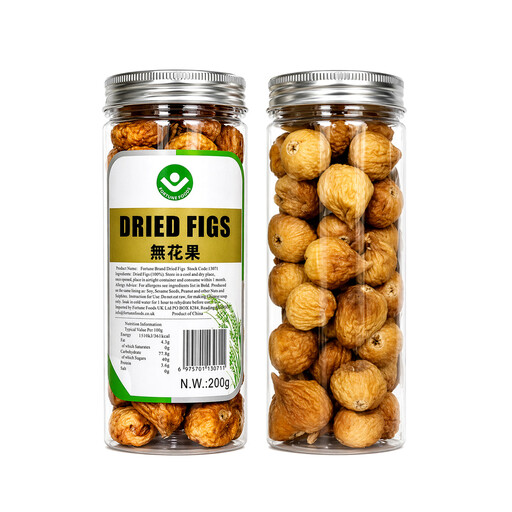 No image available
A 200g fig option for the party spread. Check the pack’s ingredients and allergy information against guests’ requirements before serving.
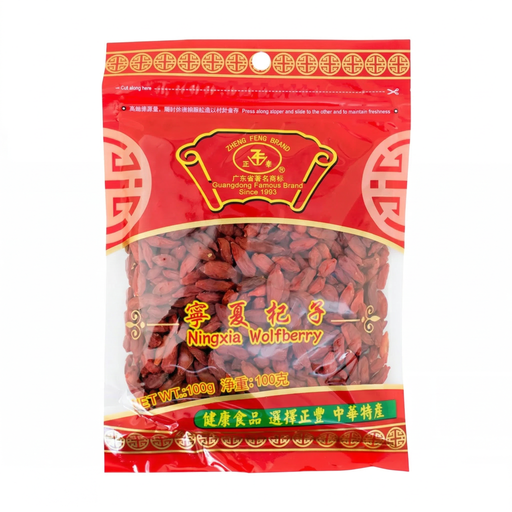 No image available
A 100g wolfberry option. If a guest must avoid sulphites, use the physical pack’s ingredient and allergy wording to decide whether to serve it.
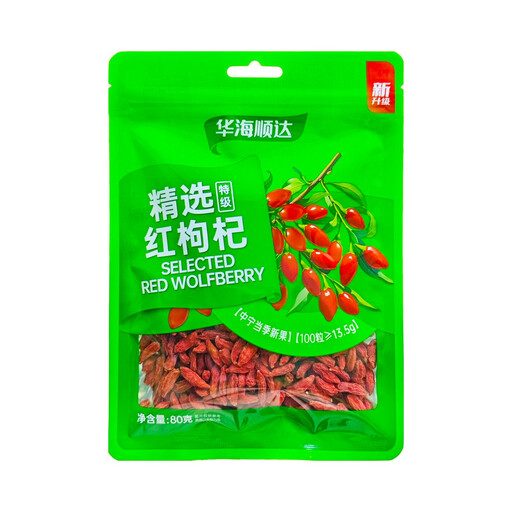 No image available
An 80g goji berry option for comparing dried-fruit ingredients. Read the current pack for preservatives and precautionary allergen statements relevant to your guests.
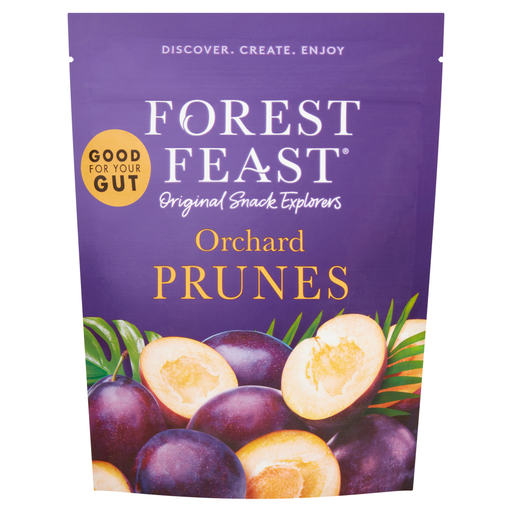 No image available
A 200g prune option. If avoiding added preservatives or possible nut, peanut or sesame cross-contact matters for your party, check both the ingredient list and precautionary wording on the pack.
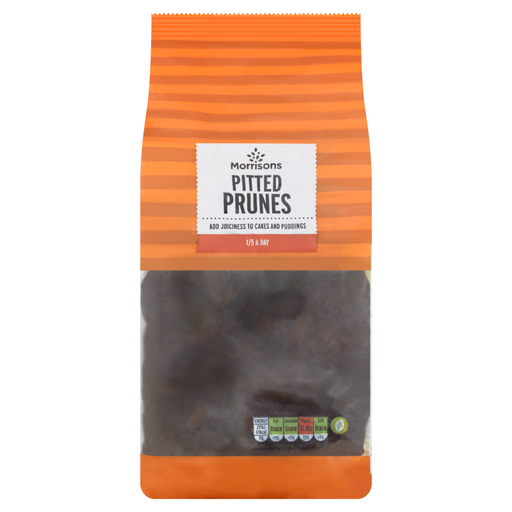 No image available
A 500g pack of dried pitted prunes. Check the pack for preservatives and relevant allergy warnings, and check for occasional pit fragments before serving to children.
No. The Food Standards Agency says sulphites are often used in dried fruit, including raisins, dried apricots and prunes. Whitworths, Asda and M&S each list sulphite-related ingredients or allergy information for particular dried-fruit products, so check the exact pack rather than relying on the type of fruit.
No. It addresses sulphites, not nuts, peanuts, sesame or every other ingredient a guest might need to avoid. Read the full ingredients and precautionary wording against that guest’s specific requirements.
Check whether it names an allergen the guest has been advised to avoid. If their allergy plan requires avoiding products with that precautionary warning, do not serve the product to them; keep the original pack available so the wording can be checked.
Serve a modest portion with the party food rather than leaving it out for prolonged between-meal grazing. NHS guidance says 30g of dried fruit counts as one fruit portion and advises eating dried fruit at mealtimes because of tooth-decay risk.