Commuters avoiding a named allergen
Look for information about the allergen you need to avoid, whether that is gluten, nuts or peanuts. Check the ingredients and any cross-contact warning on the current pack before taking it with your coffee.


Choose dried fruit or a fruit snack by the specific allergen or ingredient you need to avoid, not by a general free-from claim. An explicitly labelled fruit roll may suit a need to avoid gluten or nuts, while a short-ingredient dried fruit may suit someone checking for added sulphites; neither route removes the need to read the current pack. If the coffee is separate from a meal, bear in mind the NHS advice to eat dried fruit at mealtimes.
Look for information about the allergen you need to avoid, whether that is gluten, nuts or peanuts. Check the ingredients and any cross-contact warning on the current pack before taking it with your coffee.
Compare the ingredients of the exact apricot pack or fruit mix. The Food Standards Agency notes that sulphur dioxide and sulphites are used in some dried fruit, so the fruit name alone does not settle the question.
A small pack can be convenient to carry. For dried fruit, also consider when you will eat it: the NHS advises having it at mealtimes rather than as a between-meal snack because of tooth-decay risk.
Start with the ingredient or allergen you must avoid, then check the pack size and whether the fruit fits the occasion when you plan to eat it.
| Priority | What to check | Your needs |
|---|---|---|
| Named allergen | Match any free-from claim to the allergen you avoid. Read emphasised allergens in the ingredients and any cross-contact statement on the current pack. | I need to know whether this particular product addresses my allergy; a gluten-free claim alone does not answer a question about nuts or milk. |
| Sulphites | Check the ingredients for sulphur dioxide, sulphites or sodium metabisulphite. Compare exact packs rather than assuming that all apricots or mixes have the same ingredients. | If I avoid sulphites as ingredients, a fruit name or a short front-of-pack claim is not enough for me to choose. |
| Fruit formulation | Compare a single-ingredient product with any sweetened fruit, preservatives or other added ingredients in a mix. Use nutrition figures on the same per-serving or per-100g basis. | I would rather check what is in a mixed bag than assume it is interchangeable with plain dried fruit. |
| Portion and timing | Check the stated pack weight and the amount you intend to eat. The NHS says 30g of dried fruit counts as one 5 A Day portion and advises eating dried fruit at mealtimes. | A pack needs to fit in my bag, but a coffee break away from breakfast or lunch may not be when I choose to eat dried fruit. |
A gluten-free claim does not establish nut-free or milk-free suitability. M&S, for example, labels its Made Without Wheat Fruit and Nut Muesli gluten-free while stating that it is unsuitable for people with nut allergies.
Check the named allergen you avoid against the current pack’s ingredients, emphasised allergens and cross-contact wording.
Sainsbury's lists sulphur dioxide in its Ready To Eat Apricots, whereas its SO Organic Soft Apricots list only partially rehydrated dried apricots and state that they contain no preservatives.
If sulphites are your concern, compare the ingredients on the exact pack you are buying; do not rely on the type of fruit or an organic label alone.
A portion-sized pack is easy to carry, but the NHS advises eating dried fruit at mealtimes rather than between meals because of tooth-decay risk.
If your commuter coffee is separate from a meal, consider keeping the dried fruit for breakfast or lunch.
Tesco's Grower's Harvest Island Mix includes sweetened fruit and lists sodium metabisulphite and sulphur dioxide. That ingredient list matters if you are avoiding sulphites or added ingredients.
Read the full ingredients and compare nutrition information on a consistent serving basis before choosing a mix over plain fruit.
These product examples show why a retailer’s range cannot be treated as having one shared free-from status: check the individual pack.
Its apricot products illustrate different ingredient lists within the same retailer’s range.
Its Grower's Harvest Island Mix is an example of a mixed-fruit product with ingredients to assess individually.
M&S explains how its allergen and cross-contact information appears on food labels.
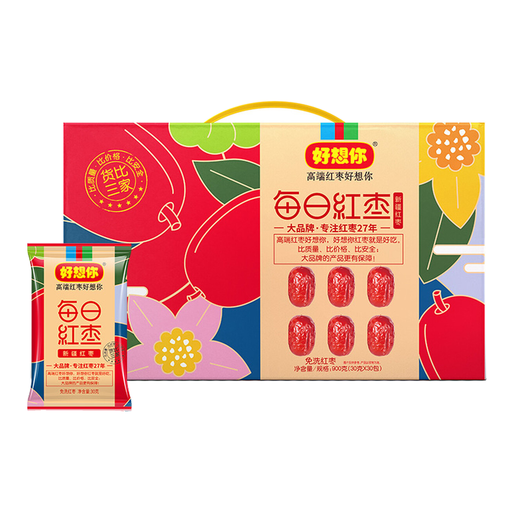
These Joybuy options comprise fruit rolls and ready-to-eat red dates that may fit a coffee commute. Check each current pack against your particular allergen or ingredient requirement; the products are not interchangeable free-from choices.
 No image available
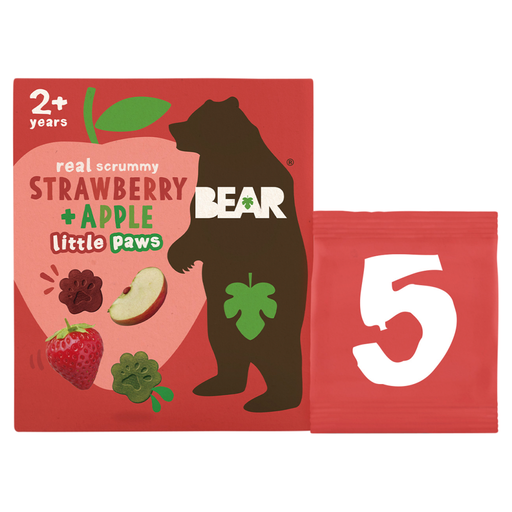
The 5 x 20g format offers smaller packs to carry for a commute. Sainsbury's listing for BEAR Raspberry Fruit Yoyos states that they are gluten-free and nut-free; check the current pack for the allergen you need to avoid.
 No image available
This five-pack has a stated weight of 20g per portion, which may suit someone carrying a small fruit snack. Check the pack’s specific allergen claims and ingredients before choosing it for a free-from requirement.
 No image available
This apple-and-blackcurrant fruit-roll option comes as 5 x 20g. For an allergy-related purchase, confirm that the current pack addresses your named allergen rather than relying on the fruit flavour.
 No image available
The stated pack weight is 100g. If you are taking some on a commute, check the pack’s portion information as well as its ingredients and allergen wording.
 No image available
The 30g sachet size offers a measured amount of dried fruit to carry. The NHS uses 30g as its 5 A Day dried-fruit portion reference and advises eating dried fruit at mealtimes; check this product’s current ingredients and allergy information separately.
No. A gluten-free claim addresses gluten, not every other allergen. M&S, for example, marks its Made Without Wheat Fruit and Nut Muesli gluten-free but unsuitable for people with nut allergies. Check the current dried-fruit pack for your named allergen and any cross-contact warning.
Check the ingredients of the exact product. The Food Standards Agency notes that sulphur dioxide and sulphites are often used in dried fruit such as raisins, dried apricots and prunes; they can also appear in fruit mixes.
No. It describes preservatives, not suitability for every allergen or the absence of cross-contact. Read the current ingredients, allergen information and any suitability statement for the allergy you need to avoid.
The NHS advises eating dried fruit at mealtimes rather than between meals because of tooth-decay risk. If the coffee stop is separate from breakfast or lunch, consider saving the dried fruit for a meal.
Use the website to narrow your choices, then check the physical pack before consuming the product. Sainsbury's says ingredients can change, so an online description should not replace the current label.