Choose dried fruit by the specific ingredient or allergen you need to avoid, checking the current pack rather than relying on a general ‘free from’ description. A gluten-free fruit snack can still contain milk, nuts or sulphites. If you plan to eat it between meals, NHS guidance advises choosing a different snack format: it recommends eating dried fruit at mealtimes to reduce tooth-decay risk.
Who is this choice for?
People avoiding a named allergen or ingredient
If you need to avoid gluten, milk, nuts, peanuts or sulphites, check the current ingredients, allergy advice and any ‘may contain’ statement for that specific concern. A broad free-from label is not a substitute.
People seeking a vegan or gluten-free fruit snack
Look for a current label that confirms the dietary requirement you have in mind. Vegan and gluten-free descriptions address different requirements and do not establish suitability for every allergy.
People planning when to eat their gym-bag snack
Dried fruit is easy to carry, but timing matters if it will be eaten between meals. The NHS advises eating dried fruit at mealtimes instead to reduce tooth-decay risk.
What should you check?
Start with the ingredient or allergen you need to avoid, then check the snack format, portion and when you intend to eat it.
Simple dried fruit
Consider it when: The current pack confirms your specific dietary requirement and you want to check a shorter ingredient list.
Keep in mind: Simple ingredients do not establish suitability for every allergy, and NHS advice still places dried fruit at mealtimes.
Fruit-and-nut or cereal mixes
Consider them when: Their full ingredient and allergy information matches your requirements, not just a gluten-free claim.
Keep in mind: M&S lists almonds and Brazil nuts in its Made Without Wheat Fruit and Nut Muesli and states that it is unsuitable for milk, nut or peanut allergies.
Free-from fruit flapjacks
Consider them when: You want a portioned cereal-style snack and its particular free-from claim matches your need.
Keep in mind: Sainsbury's gluten-free fruity flapjack lists butter, almonds and sulphur dioxide, so its gluten-free description does not cover those ingredients.
| Priority | What to check | Your needs |
|---|
| Named allergen |
Read the current ingredients and allergy advice for your named allergen. Check any ‘may contain’ statement separately; the Food Standards Agency explains that this warns of possible unintended presence. |
I need the pack information to address the particular allergen I avoid, not merely say ‘free from’. |
| Mixed ingredients |
Check for nuts, milk, cereals and sulphur dioxide in fruit mixes and bars. A gluten-free claim addresses gluten, not these other ingredients. |
A fruit-based snack is not enough for me if its other ingredients conflict with my dietary requirement. |
| Portion and sugars |
Compare the stated serving size and sugars per serving or per 100g on the same basis. The NHS counts 30g of dried fruit as one 5 A Day portion. |
I want to pack a planned amount rather than treat a larger bag as one serving; ‘no added sugar’ alone does not tell me its sugar content. |
| Snack timing |
Decide whether you will eat it with a meal or between meals. The NHS advises having dried fruit at mealtimes to reduce tooth-decay risk. |
If I need something to eat between meals after the gym, I would choose a different snack format. |
Common buying mistakes
-
Treating ‘free from’ as covering every allergen
Free-from wording is condition-specific. A gluten-free product can contain other allergens, while a ‘may contain’ statement signals a separate possibility of unintended presence.
Identify the exact ingredient or allergen you avoid, then read the current ingredients, allergy advice and precautionary wording together.
-
Assuming a fruit snack contains only fruit
Mixes, flapjacks and coated snacks can include cereals, milk, nuts or sulphite-treated fruit. Whitworths lists wheat, milk and soya in its SHOTS Fruity Biscuit product.
Check the complete label even when fruit features prominently in the product name.
-
Using ‘no added sugar’ to judge snack timing
No-added-sugar wording does not mean sugar-free. The NHS advises eating dried fruit at mealtimes rather than between meals to reduce tooth-decay risk.
If the gym-bag snack will be eaten between meals, consider a non-dried-fruit option.
-
Relying on an older online ingredient list
Ingredients and allergy information can change. Sainsbury's advises checking product packaging before buying or eating its products.
Read the pack you actually purchase, particularly when a recipe or packaging has changed.
Brand and retailer references
These examples show why suitability depends on the individual product label, not the brand or retailer name.
Whitworths
Whitworths sells dried fruit as well as mixed fruit snacks.
- Its SHOTS Fruity Biscuit comes as a 25g portion.
- Whitworths lists wheat, milk and soya as allergens for that product, with a warning that it may also contain peanuts, other nuts and sesame. It is not a plain-fruit alternative for avoiding those ingredients.
Tesco
Tesco product listings provide dietary information for individual dried-fruit products.
- Its BEAR Dried Cherries listing describes the product as vegan, gluten free and free from sulphites.
- Confirm those descriptions on the current pack before choosing it for a specific dietary requirement.
Sainsbury's
Sainsbury's provides allergen-specific information for its own-brand products and sells free-from fruit-containing snacks.
- Sainsbury's says its own-brand allergen-specific lists are updated monthly and advises checking packaging.
- Its gluten-free fruity flapjack lists butter, almonds and sulphur dioxide. Check each named allergen independently.
M&S
M&S sells plain dried fruit and fruit-containing products in its Made Without Wheat range.
- Its product information distinguishes gluten-free wording from other allergy suitability statements.
- M&S Made Without Wheat Fruit and Nut Muesli contains almonds and Brazil nuts and is stated to be unsuitable for milk, nut and peanut allergies.
Dried-fruit options on Joybuy
These options include prunes, goji berries and dates. Check each current pack against your dietary requirement and its preparation instructions: the goji berry options below call for cooking, so they are not ready-to-eat gym-bag snacks. The NHS advises eating dried fruit at mealtimes rather than between meals.
 No image available
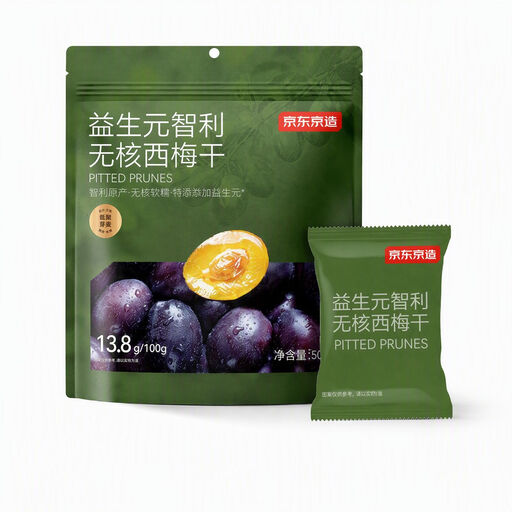
J.ZAO Prebiotic Pitted Chilean Prunes 500g
For a prune option, check the current pack for your named allergen and the ingredients you wish to avoid. Do not treat wording about sugar in the product name as a substitute for its nutrition table.
View on Joybuy
 No image available
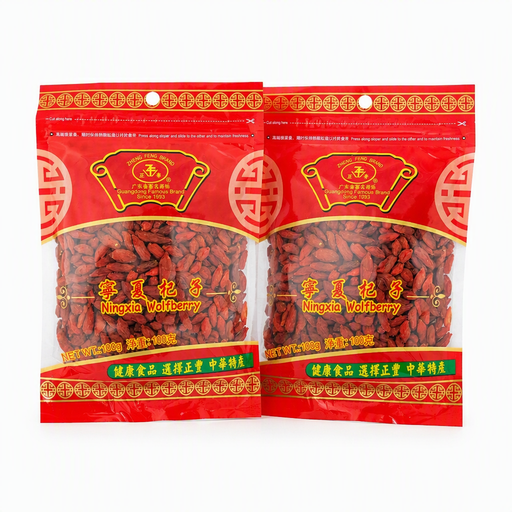
Zheng Feng NingXia Wolfberry 100g ×2
This two-pack is an option if you intend to prepare goji berries rather than eat them straight from your gym bag. Its usage instructions call for washing and cooking; check the current pack for your allergen requirements.
View on Joybuy
 No image available
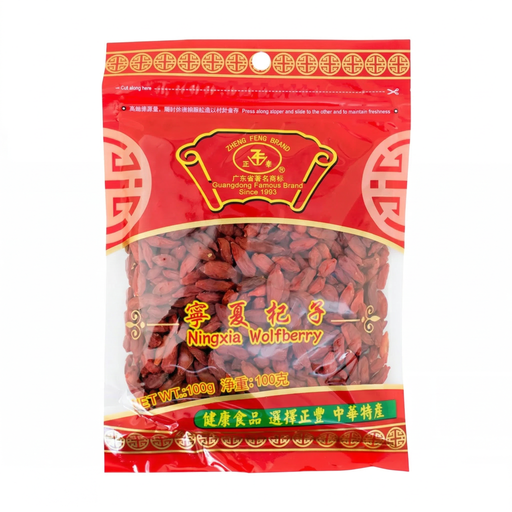
Zheng Feng NingXia Wolfberry 100g
Consider this pack if you can prepare the goji berries before eating them. Its usage instructions require cooking, so it is not a ready-to-eat snack; check the current allergy advice as well.
View on Joybuy
 No image available
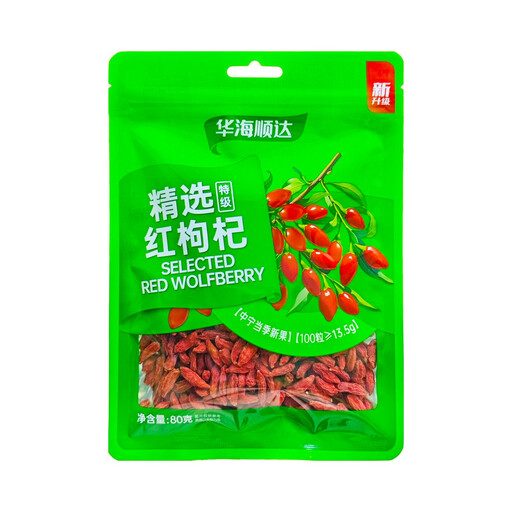
HUASEED Goji Berries 80g
This goji berry pack is for cooking rather than eating directly from the bag. Check its preparation instructions and current allergy information before choosing it for your routine.
View on Joybuy
 No image available
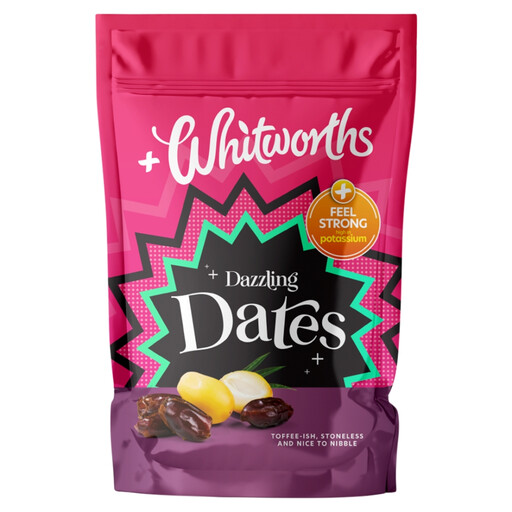
Whitworths Dates 300g
If you want to pack dates, plan a portion from the larger bag and check the current ingredients and allergy advice. Review the pack's safety information rather than relying on a general description of the fruit.
View on Joybuy
Frequently asked questions
Does gluten free mean a fruit snack is suitable for a nut or milk allergy?
No. M&S Made Without Wheat Fruit and Nut Muesli is labelled gluten free but contains almonds and Brazil nuts; M&S also states that it is unsuitable for milk, nut and peanut allergies. Check the current pack for each allergen relevant to you.
Is an allergen in a ‘may contain’ statement an ingredient?
Not necessarily. The Food Standards Agency describes precautionary allergen labelling as warning that an allergen could be unintentionally present. Read it alongside the ingredients list when deciding whether a product meets your requirement.
Should I eat dried fruit between meals after the gym?
The NHS advises eating dried fruit at mealtimes rather than between meals to reduce tooth-decay risk. If your gym-bag snack needs to be eaten between meals, consider another format. The NHS counts 30g of dried fruit as one 5 A Day portion.
Does ‘no added sugar’ mean dried fruit contains no sugars?
No. A no-added-sugar description does not mean the product is sugar-free. Check sugars per serving and per 100g on the current nutrition label when comparing snacks.
Can I use an online listing to check a food allergy?
Use the listing to help narrow your choice, but read the packaging of the product you buy. Sainsbury's advises checking packs because products and ingredients can change.


