Students avoiding a named allergen
Start with the allergen you need to avoid. Check the ingredients, allergy information and any precautionary statement on the current pack; a vegan claim answers a different question.


Choose dried fruit for a lecture lunch by checking the current pack against the specific allergen or ingredient you need to avoid, then consider whether its size and opening instructions work for a day on campus. An individually packed snack can be convenient for a short break, but claims such as vegan do not establish suitability for a particular allergy.
Start with the allergen you need to avoid. Check the ingredients, allergy information and any precautionary statement on the current pack; a vegan claim answers a different question.
Check each variety for sulphur dioxide or sulphites rather than relying on the words “dried fruit”. Tesco lists BEAR Dried Cherries as free from sulphur dioxide/sulphites, while Whitworths lists sulphur dioxide in Luxury Mixed Fruit.
A small sealed portion avoids carrying an opened larger pack. If you choose a larger pack, check how the maker says to store it after opening and when to finish it.
Check suitability for your specific avoidance requirement before comparing pack formats. A product-specific free-from statement is useful only when it names what you need to avoid.
| Priority | What to check | Your needs |
|---|---|---|
| Named allergens | Read the current pack’s ingredients, allergy information and any precautionary statement. Check that a free-from claim names your specific allergen; do not substitute a vegan claim. | I need a snack that fits my particular allergy requirement, not just a broad dietary label. |
| Sulphites | Look for sulphur dioxide or sulphites in the ingredients and allergy information, or an explicit product-specific free-from statement. Recheck each flavour or mix separately. | If I avoid sulphites, I need to know what this particular pack says; another dried-fruit variety may have different ingredients. |
| Pack format | Compare pack size with any stated serving size. For a larger pack, read the resealing, refrigeration and post-opening instructions. | A sealed portion would be straightforward to take to a short lecture break; with a larger pack, I need a plan for the remainder. |
| Exact variety | Check the full product name and current pack, not just the retailer, brand or dried-fruit aisle. Fruit-and-nut mixes and plain fruit can appear in the same range. | I cannot use one variety’s allergy information as an answer for a different pack from the same shop. |
Vegan labelling does not establish whether cross-contact with an allergen relevant to you is possible. The Food Standards Agency advises against using it in place of allergen information.
Match the current pack’s ingredients, allergy information and any precautionary statement to the allergen you avoid.
Whitworths lists sulphur dioxide in Luxury Mixed Fruit, and M&S lists sulphites in Dried Pineapple and Orchard Fruits Medley. Tesco lists a different product, BEAR Dried Cherries, as free from sulphur dioxide/sulphites.
Check the declaration on the exact variety you intend to buy.
Dried-fruit ranges can include fruit-and-nut mixes. M&S also marks some dried-fruit products as unsuitable for people with nut, peanut or sesame allergies.
Use the exact pack’s allergy information rather than its shelf category or appearance.
Post-opening instructions differ: M&S says to eat Orchard Fruits Medley within three days of opening, while Whitworths gives resealing and refrigeration instructions for Luxury Mixed Fruit.
Read the instructions before choosing a pack you expect to open and carry through the day.
These examples show why allergy and ingredient information belongs to the individual product, not to every dried fruit sold under the same name.
Tesco’s listings give different free-from information for different BEAR fruit snacks.
Sainsbury’s provides allergen-specific lists for its own-brand products.
M&S product pages illustrate how ingredients and allergy statements can vary across dried-fruit varieties.
Whitworths sells mixed dried fruit as well as other fruit products; the formulation matters when checking an avoidance requirement.
These options include small freeze-dried fruit packs and larger packs of figs or dates for a lecture-day snack. Check the current packaging for your specific ingredient or allergy requirement before choosing among them.
 No image available
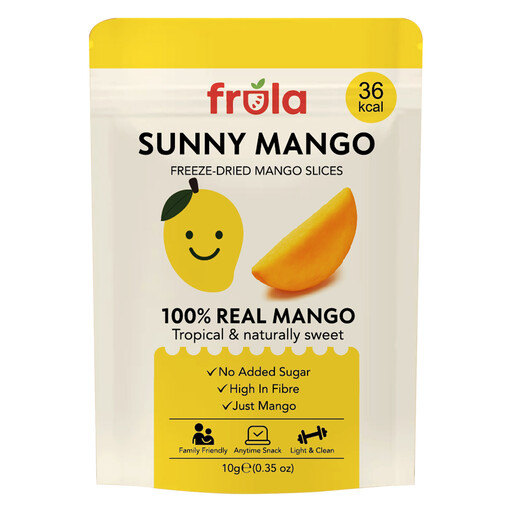
The 10g pack is a small option to carry for a lecture break. Check its current ingredient and allergy information for the specific free-from requirement you have.
 No image available
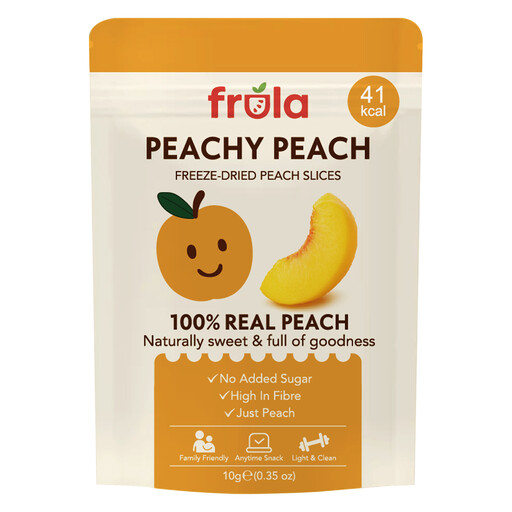
This 10g peach pack is another small format for carrying between lectures. Confirm the current pack’s ingredients and allergy statements rather than assuming it has the same declarations as the mango variety.
 No image available
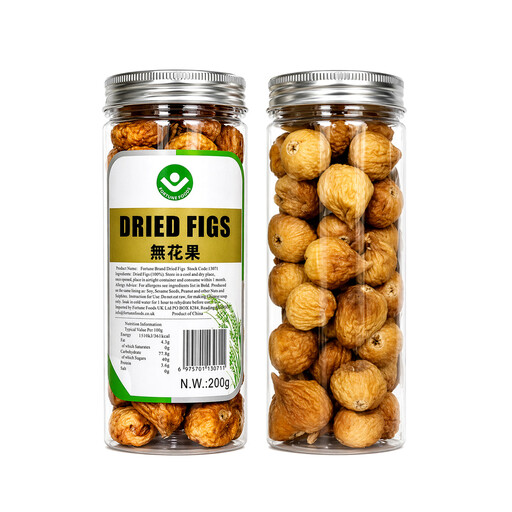
The 200g pack gives you more to manage than a 10g pack if you only want a small lecture-break snack. Check the current allergy information and instructions for storing any remainder after opening.
 No image available
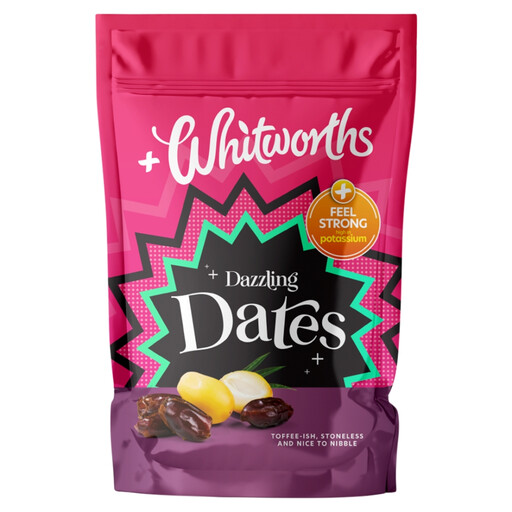
This 300g pack is a larger format to consider if you plan to take some dates to campus and keep the rest. Read its current ingredients, allergy information and post-opening instructions; a statement about another Whitworths product does not apply to these dates.
No. The Food Standards Agency advises against using vegan labelling as a substitute for allergen information because cross-contact can matter. Check the ingredients, allergy information and any precautionary statement on the exact pack.
Do not treat the absence of that wording as proof that a dried-fruit snack is free from your allergen. The Food Standards Agency explains that “may contain” is precautionary wording; assess the full current label against your requirement.
Use the page to narrow your options, then check the physical pack before buying or eating. Tesco and M&S both warn that product information can change.
No. M&S lists different ingredients and allergy statements across its Dried Cherries, Dried Pineapple and Orchard Fruits Medley products. Check each variety’s current pack separately.
No. Sainsbury’s warns that products prepared in open in-store environments can present cross-contamination risks and advises allergy customers to avoid certain open-preparation departments where allergen absence cannot be guaranteed.