Buyers managing named allergen exclusions
If a colleague must avoid a particular allergen, check the ingredients and allergy advice on the exact pack. Fruit-based or vegan positioning does not answer that question on its own.


For a shared office, choose dried fruit or a fruit snack only after checking that the current pack addresses each named allergen or dietary requirement. A short ingredients list, a vegan claim or the word “fruit” cannot establish suitability for every colleague; individually portioned packs can make distribution simpler, but their labels still need checking.
If a colleague must avoid a particular allergen, check the ingredients and allergy advice on the exact pack. Fruit-based or vegan positioning does not answer that question on its own.
If you prefer fruit snacks without added sugar or with fewer ingredients, compare the ingredients list as well as the nutrition panel. Fruit juice concentrate and other additions vary between products.
Pack size matters when distributing snacks at work. NHS guidance says 30g of dried fruit counts as one 5 A Day portion and advises eating it at mealtimes rather than between meals to reduce tooth-decay risk.
Start with the colleagues’ named exclusions, then compare ingredients, pack format and the stated serving size. A claim about one dietary requirement does not answer a different one.
| Priority | What to check | Your needs |
|---|---|---|
| Named allergens | Read the current pack’s ingredients, explicit exclusions and any “may contain” statement. The Food Standards Agency explains that precautionary allergen labelling communicates possible unintended presence of a regulated allergen. | I need to know whether this exact snack addresses each allergen a colleague must avoid, rather than assuming “free from” covers every allergy. |
| Snack format | Check whether nuts, chocolate or coatings add ingredients relevant to the office. Whitworths Fruit & Nut Mix, for example, contains almonds and cashews; its Raisin & Chocolate snack lists soya and sulphur dioxide. | For a communal supply, I want people to be able to identify the snack and read its allergy information instead of taking fruit from an unlabelled mixed bowl. |
| Ingredients and sugars | Compare the ingredients list and sugars on the same stated serving basis. M&S describes its Dried Pineapple as 100% fruit with no added sugars, but it contains sulphites; Tesco Cranberries contain pineapple juice concentrate and list 20.3g sugars per 30g. | I may prefer no added sugar, but I still need to check total sugars and whether the product meets a separate allergen requirement. |
| Portions and timing | Check the weight of an individual pack against the amount you intend to serve. NHS guidance identifies 30g of dried fruit as one 5 A Day portion and advises eating it at mealtimes rather than between meals to reduce tooth-decay risk. | Small packs would help me hand out defined portions, without presenting dried fruit as something to graze on throughout the working day. |
Fruit-containing snacks can include other ingredients or carry precautionary allergen statements. Whitworths’ Raisin & Chocolate snack, for example, lists soya and sulphur dioxide and warns that it may contain several other allergens.
Check the current pack against each named exclusion before adding a product to the shared supply.
Nuts may be ingredients, and removing the packaging also separates the food from its ingredient and allergy information.
Keep the original label available. Where the workplace requires a nut-free selection, do not substitute a fruit-and-nut mix for a snack whose current pack addresses that requirement.
The claim does not state the product’s total sugars or serving size. Tesco Cranberries, for example, contain pineapple juice concentrate and list 20.3g sugars per 30g.
Compare ingredients and nutrition per stated serving. For dried fruit, NHS guidance advises eating it at mealtimes rather than as a between-meal snack to reduce tooth-decay risk.
Ingredients and allergy information can change. Sainsbury’s says its own-brand allergen lists are updated monthly and advises checking product packaging.
Check the physical pack before distributing a new delivery or substituted product, even if an online listing helped you shortlist it.
These examples show why the decision belongs to the individual product and its current label, not the brand name.
Tesco’s listing for BEAR Fruit Yoyos Strawberry Family Pack states gluten-free, nut-free and vegan exclusions for that product.
M&S describes its Dried Pineapple as 100% fruit and free from added sugars.
Tesco’s individual food listings provide product-level ingredients, dietary statements and nutrition information.
Sainsbury’s own-brand allergen lists can help shoppers shortlist products against a specified allergen.
Whitworths’ fruit-containing mixes illustrate how ingredients and allergy advice change with the snack format.
These raisin and fruit-snack multipacks offer different flavours and pack sizes for an office supply. Check each current pack for the specific allergen or dietary exclusion your colleagues require; the product name alone cannot establish it.
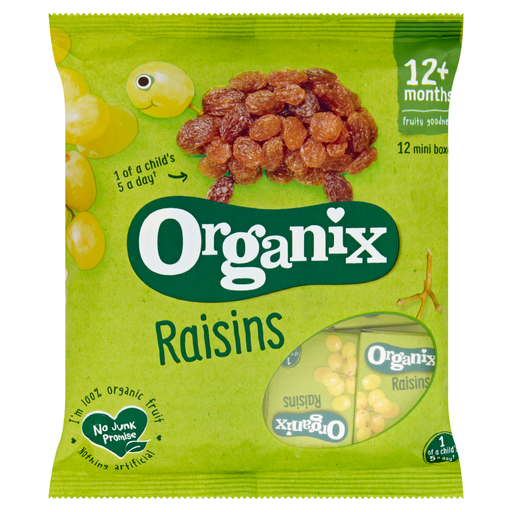 No image available
The stated 12 x 14g format gives an office buyer a pack size to compare with the portions they plan to provide. Check the current packaging for ingredients and allergy advice before including it in a shared supply.
 No image available
This raspberry fruit snack is listed as 5 x 20g, a format to consider when planning office portions. Check this flavour’s own current pack for the named exclusions you need; statements about BEAR Strawberry do not establish its allergy information.
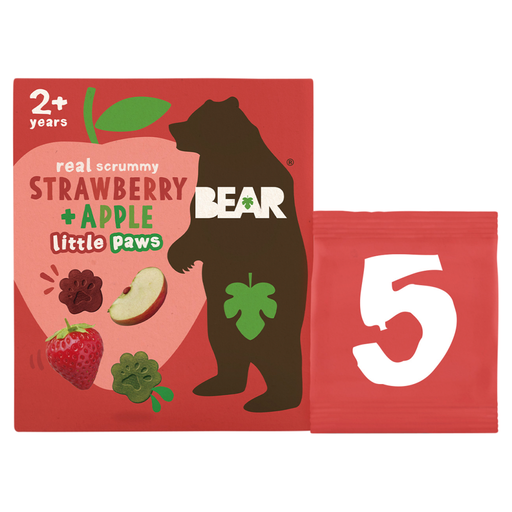 No image available
The strawberry-and-apple variant is listed as 5 x 20g. If it is being considered for colleagues with dietary exclusions, check its own ingredients and allergy statements rather than relying on claims for another BEAR product.
 No image available
This apple-and-blackcurrant variant offers another flavour to assess for a shared snack supply. Confirm its pack size, ingredients and relevant allergy statements on the current packaging before choosing it.
 No image available
The listed 100g pack gives you a total weight to compare when planning how much to supply. Check the current pack for its serving format and for any named dietary exclusions required in the office.
No. Match the current pack’s statements to each named allergen requirement. The Food Standards Agency explains that precautionary statements such as “may contain” communicate possible unintended allergen presence; fruit-containing snacks can also have allergens among their ingredients.
Check the current pack’s ingredients, allergy advice and portion size against the office’s requirements, and keep that information with the snacks. Sainsbury’s and M&S advise checking packaging because product information can change.
A mix containing nuts cannot serve as a nut-free option. Whitworths Fruit & Nut Mix lists almonds and cashews, while another of its fruit-and-nut mixes lists peanuts. Check the exact pack and the workplace’s named exclusions before supplying any mix.
No: an added-sugar claim does not state the total sugars. M&S describes its Dried Pineapple as free from added sugars, while Tesco lists 20.3g sugars per 30g for its Cranberries, which contain pineapple juice concentrate. Compare the ingredients and nutrition panel for the particular product.
Check the amount being served and offer dried fruit with a meal rather than as an all-day desk snack. NHS guidance says 30g counts as one 5 A Day portion and advises eating dried fruit at mealtimes instead of between meals to reduce tooth-decay risk.