Hosts serving guests with allergies
Ask which ingredients and precautionary statements matter to each guest before choosing a pack. Keep their option identifiable and separate from snacks containing the ingredients they avoid.


For a New Year's Eve party, choose dried fruit against each guest's specific requirements using the current pack's ingredients and allergy advice; do not assume that plain-looking fruit is free from allergens. Individually wrapped snacks can be easier to keep separate on a shared table, while bowls of traditional dried fruit need dedicated utensils. Sulphites deserve a specific check: the Food Standards Agency notes that they are often used in raisins, dried apricots and prunes.
Ask which ingredients and precautionary statements matter to each guest before choosing a pack. Keep their option identifiable and separate from snacks containing the ingredients they avoid.
Look for claims on the exact product rather than assuming every dried-fruit flavour or format has the same ingredients. Sainsbury's lists these claims for BEAR Raspberry Fruit Yoyos, but recommends checking current packaging because product information can change.
You can serve traditional dried fruit and fruit-and-nut mixes alongside a separately identified option for guests with specific requirements. Whitworths lists almonds, cashews and sulphur dioxide in its Favourites Fruit & Nut Mix, which should not be confused with a nut- or sulphite-free selection.
Start with the guest's specific requirements, check the pack in hand, then plan how to keep the chosen snack identifiable when it is served.
| Priority | What to check | Your needs |
|---|---|---|
| Ingredients and allergens | Read the full ingredients and allergy advice. Look for a product-specific claim covering the exact ingredient or allergen the guest avoids, including sulphur dioxide or sulphites where relevant. | I need to know whether this particular fruit snack fits a guest's requirements, not whether dried fruit generally sounds suitable. The Food Standards Agency notes that sulphites are often used in raisins, dried apricots and prunes. |
| Current packaging | Check the physical pack before purchase or serving, including any precautionary statement. Keep its label available for guests to read. | A snack we served before may have different ingredients or allergy advice now. Sainsbury's recommends checking packaging because products and ingredients can change. |
| Separate serving | Check whether portions are individually wrapped. For bowls, identify each food clearly and provide separate utensils so snacks are not mixed during serving. | I want guests to recognise their option without taking fruit from a bowl shared with a nut-containing mix. Separate portions also avoid relying on a communal scoop. |
| Snack format | Check whether the product is ready to eat and whether its pack size or portion format works for the table. A fruit roll, a small bag and a bulk pack call for different serving arrangements. | Individually packed snacks are convenient to set out; if I choose dates or another bulk dried fruit, I can plan a clearly labelled bowl and its own utensil. |
Sulphur dioxide or sulphites may be used in dried fruit. The Food Standards Agency specifically names raisins, dried apricots and prunes as examples.
If a guest avoids sulphites, choose a product whose current pack addresses that requirement and read its ingredients and allergy advice before serving.
Whitworths Favourites Fruit & Nut Mix lists almonds, cashews and sulphur dioxide, and says it may contain other nuts and sesame. Mixing it with another snack would make the contents of the shared bowl harder to identify.
Serve conventional mixes separately, label the bowls and give each its own utensil. Keep an individually packed option in its wrapper until serving where that suits the guest.
Claims attached to one flavour do not automatically apply to another. Sainsbury's also advises checking packaging because ingredients and product information can change.
Use listings to make a shortlist, then decide from the exact pack you are buying and serving.
Loose fruit does not give guests an original sealed label to inspect at the table, and its handling may differ from that of a packaged snack.
Ask the seller about ingredients, allergens and handling before buying loose food for a guest with an allergy. Check with the guest whether the available information and serving arrangement meet their needs.
These product-level examples show why it matters to compare exact labels; a claim for one product does not cover an entire brand or range.
BEAR fruit snacks illustrate how dietary claims can differ by product and flavour.
Its Favourites Fruit & Nut Mix is an example of a conventional mixed snack that needs a separate place on an allergy-aware table.
Its dried-fruit range includes traditional fruit and mixed dried fruit as well as branded snacks.
Its listing for BEAR Dried Mango & Passionfruit provides a product-specific example of sulphite-free labelling.
These options cover individually portioned fruit snacks, dried fruit for separate serving and a wolfberry product that needs preparation. Check each current pack against your guests' requirements; a simple fruit name or ingredient list is not, by itself, a free-from declaration.
 No image available
The five 20 g fruit-roll portions suit a table where guests can take a separate snack rather than use a shared bowl. Check this pack's ingredients and allergy advice against each guest's requirements.
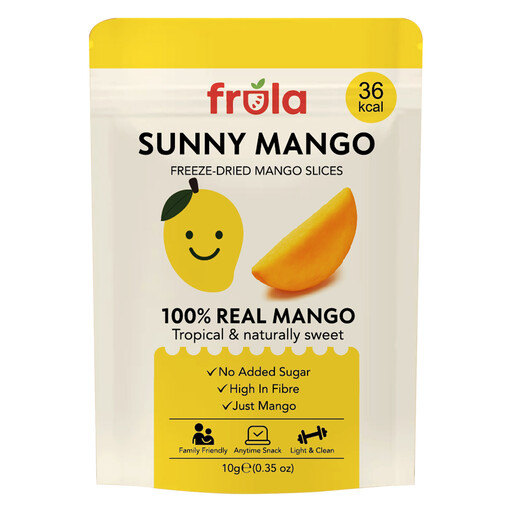 No image available
This small freeze-dried mango pack is an alternative to a communal fruit bowl. Check the current ingredients and allergy advice for any requirement, including sulphite avoidance; mango alone in a product name does not establish a free-from claim.
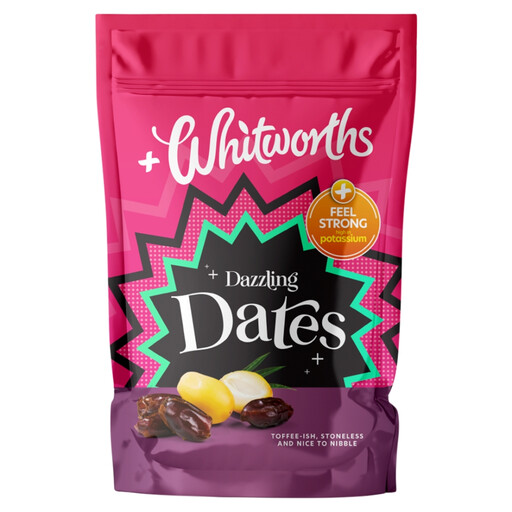 No image available
These dates offer a traditional dried-fruit option for a separately labelled bowl. Use a dedicated utensil if serving them loose, and check this dates pack's own ingredients and allergy advice rather than relying on information for another Whitworths product.
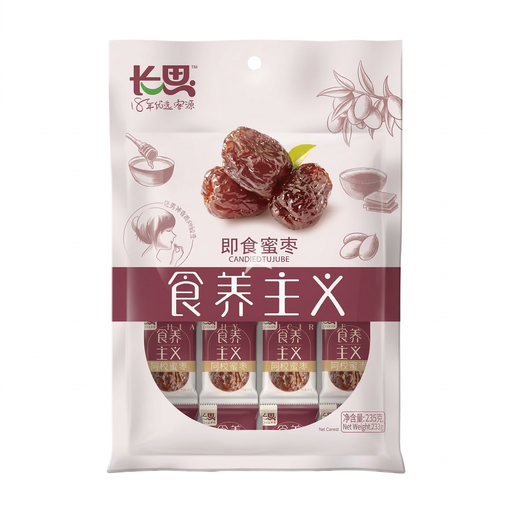 No image available
Consider these separately portioned dates when you want guests to take a snack without sharing a bowl. They are a sweetened product containing added sugar and maltose, rather than plain dried dates; check the pack's allergy advice. The product warning says occasional pits may remain despite mechanical pitting.
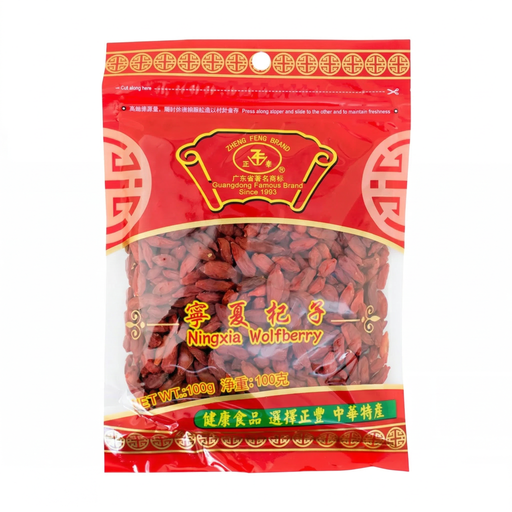 No image available
This wolfberry product is a preparation option, not a snack to put straight onto the party table: its product information says cooking is required. Check the pack's preparation directions, ingredients and allergy advice before deciding whether it fits your plans.
No. The Food Standards Agency notes that sulphur dioxide and sulphites are often used in raisins, dried apricots and prunes, while fruit mixes may include other ingredients. For example, Whitworths Favourites Fruit & Nut Mix contains almonds and cashews. Check the exact pack rather than judging by the word 'fruit'.
Read the full ingredients, allergy advice, relevant free-from claims and any precautionary statement on the current pack. Food Standards Scotland says that the UK's 14 regulated allergens must be declared when present as ingredients and emphasised in the ingredient list of prepacked food. A claim about one allergen does not answer a question about every other ingredient.
Ask about its ingredients, allergen information and handling before deciding. GOV.UK's Food Standards Agency guidance says food businesses must provide customers with information about listed allergens used as ingredients. For a party, also consider how you will keep the food identified and separate after purchase.
Keep the two selections clearly labelled and use separate bowls and utensils, or leave suitable individual snacks wrapped until guests take them. Whitworths says its Favourites Fruit & Nut Mix contains almonds, cashews and sulphur dioxide and may contain other nuts and sesame, so it should not be mixed into an option chosen for guests avoiding those ingredients.
Use the page to shortlist, then check the item in hand. Sainsbury's advises reading current packaging because products and ingredients can change; the relevant claim must still match the exact product and the guest's requirements when you serve it.