Shoppers avoiding a named allergen
Look for information about your specific allergen on the exact product. An ingredient list and a precautionary “may contain” statement answer different questions about possible exposure.


Choose dried fruit by the particular allergen or ingredient you need to avoid: a claim about one exclusion does not make a snack suitable for every allergy. For a snack two to three hours before exercise, the British Dietetic Association advises a low-fat, high-carbohydrate choice; whatever the timing, check the current pack for ingredients, allergen declarations and any “may contain” statement.
Look for information about your specific allergen on the exact product. An ingredient list and a precautionary “may contain” statement answer different questions about possible exposure.
Consider when you will eat, the portion size and what else forms part of the snack. Guidance on pre-exercise eating differs by timing, so dried fruit need not be treated as a complete meal.
Check the ingredients of each pack rather than relying on the appearance of the fruit. The Food Standards Agency notes that sulphur dioxide or sulphites are used in some dried-fruit products.
Start with the exclusion that applies to you, then compare the portion and ingredients with when you plan to exercise.
| Priority | What to check | Your needs |
|---|---|---|
| Exercise timing | Check the serving size and how the snack fits with the rest of what you eat. The British Dietetic Association advises a low-fat, high-carbohydrate snack or light meal two to three hours before exercise; University College London Hospitals NHS Foundation Trust describes carbohydrate, protein and minimal fat for snacks 60–90 minutes beforehand. | “I want a portion that fits the time before training, without assuming dried fruit alone provides everything I want in a snack.” |
| Named allergens | Check claims for the particular allergen or ingredient you avoid, the ingredient list and any “may contain” wording. The Food Standards Agency explains that precautionary allergen labelling communicates possible unintended allergen presence. | “A nut-free claim matters if I avoid nuts, but I still need to check the pack for my own exclusion and any cross-contact warning.” |
| Sulphites and additions | Read the ingredients for sulphur dioxide or sulphites, preservatives and other additions. The Food Standards Agency identifies sulphur dioxide or sulphites as ingredients used in some dried fruit; the exact recipe varies by product. | “If I avoid sulphites or preservatives, I need the declaration for this pack—not an assumption based on the type of fruit.” |
Whitworths Luxury Mixed Fruit and Tesco Dried Mixed Fruit both declare sulphur dioxide. The appearance or category of a snack does not establish its ingredients.
If sulphites are an exclusion for you, read the current ingredient and allergen declarations for the exact pack.
The Food Standards Agency says precautionary allergen labelling communicates possible unintended presence through cross-contact, even when the allergen is not an intended ingredient.
If you have a diagnosed allergy, follow the approach advised by the clinician managing it when assessing the product’s full label.
Whitworths Peanut & Raisin Mix contains peanuts and carries warnings about other nuts, sesame and cereals containing gluten. Its suitability differs from that of a product with an explicit nut-free claim.
Use the exact product’s allergen statement, not the dried-fruit category name, to decide whether it meets your exclusion.
Tesco and Sainsbury’s advise that product ingredients or allergen information can change.
Check the physical pack when buying and again before eating, particularly when an exclusion is essential.
These examples show why free-from decisions belong to individual products, not entire brands or shop ranges.
Whitworths offers dried-fruit and fruit-and-nut formats with different ingredient and allergen declarations.
Sunsweet presents pitted prunes as a snack option.
Tesco lists dried fruit across different formats and brands.
Sainsbury’s lists both branded fruit snacks and own-label dried fruit.
M&S provides product-level allergen information across different snack formats.
These fruit rolls, freeze-dried fruit packs, dates and figs offer formats to consider for a pre-workout snack. Compare each current pack with your own allergen or ingredient exclusions before choosing.
 No image available
The 20g packs are a portioned fruit-snack format. Sainsbury’s listing for BEAR Raspberry Fruit Yoyos states nut-free and gluten-free; check the current pack, including any precautionary wording, against your specific exclusion.
 No image available
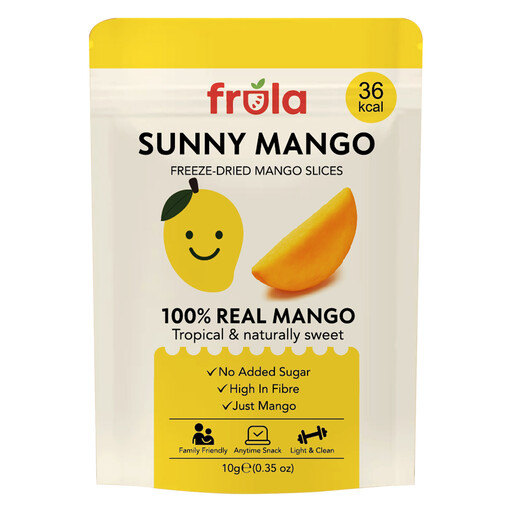
A 10g freeze-dried mango pack offers a small fruit-snack format. Check its current ingredients, allergen information and serving size against what you need before exercise.
 No image available
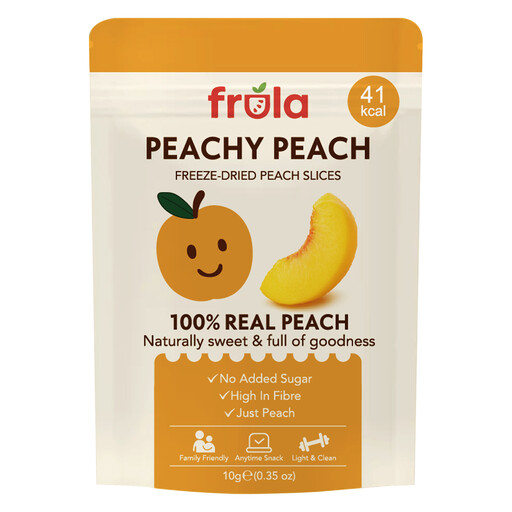
This 10g freeze-dried peach pack is another small-portion format. Check the current label if you need to avoid a particular ingredient or allergen, and consider whether the portion fits your planned snack.
 No image available
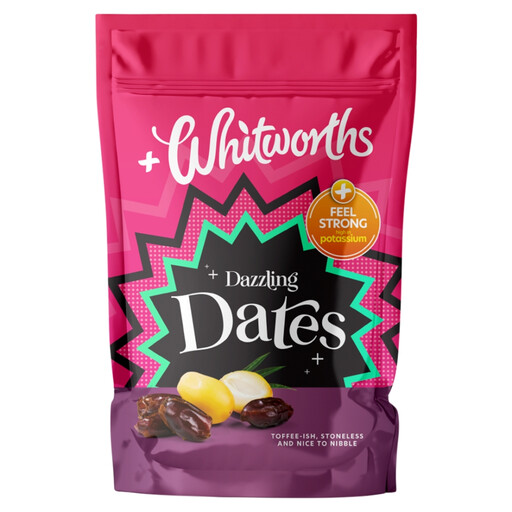
The 300g pack can be divided into portions for a planned snack. Check this product’s current ingredients and allergen declaration; information for other Whitworths products does not establish what is on this pack.
 No image available
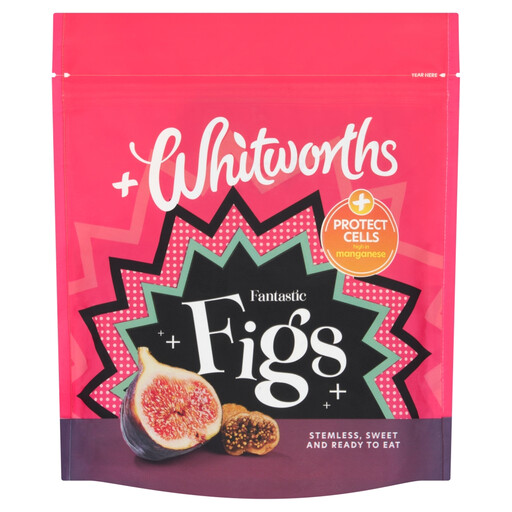
The 175g pack is a dried-fig option to portion before exercise. Its product information includes a warning that it is produced in a facility handling nuts and peanuts; check the current pack if either is an exclusion for you.
It can form part of a carbohydrate-focused snack. For eating two to three hours before exercise, the British Dietetic Association advises a low-fat, high-carbohydrate snack or light meal; consider the portion and the rest of what you eat rather than assuming dried fruit is a complete meal.
No. Check whether the claim covers the particular allergen you avoid. The Food Standards Agency says “may contain” labelling communicates possible unintended presence, so read it alongside the ingredient and allergen declarations on the current pack.
The Food Standards Agency identifies sulphur dioxide or sulphites as ingredients used in some dried fruit, including raisins, apricots and prunes. If you need to avoid them, check the declaration on the exact pack instead of assuming all products made from that fruit have the same recipe.
Use it to compare products, but check the current physical pack before eating. Tesco and Sainsbury’s advise that ingredients or product information can change.
No if the nuts or a cross-contact warning conflict with your exclusion. Whitworths Peanut & Raisin Mix contains peanuts and warns of possible other nuts, sesame and cereals containing gluten; compare the exact label and portion with the snack you intend to eat before exercise.