What matters when choosing dried fruit?
Start with the child’s dietary requirements and the current pack label; consider portion format only after those checks.
| Priority |
What to check |
Your needs |
| Named allergen |
Check that any free-from claim names the allergen the child must avoid. Read the full current ingredients list and any relevant ‘may contain’ wording. GOV.UK says a free-from claim guarantees absence of the specified allergen, not every allergen. |
I need the claim and the rest of the label to fit my child’s individual allergy plan, rather than relying on a general ‘free-from’ description. |
| Sulphites |
Look for sulphur dioxide, sulphites and sodium metabisulphite, including within the ingredients of each fruit in a mix. The Food Standards Agency notes that sulphites are used in some dried fruit. |
If my child must avoid sulphites, I need to check the exact pack, even when it contains familiar fruits such as apricots or mango. |
| School arrangements |
Check the school’s arrangements and the child’s individual risk plan. Anaphylaxis UK recommends individual risk assessment rather than assuming every school uses the same restrictions. |
Before packing lunch, I want to know whether this particular food fits the arrangements made for my child and their school. |
| Lunch format |
Compare the stated pack size with the portion you intend to put in lunch; a larger pack may need portioning at home. The NHS advises keeping dried fruit to mealtimes because it can stick to teeth. |
A small pack may be easier to put straight into a lunchbox. If I use a larger pack, I can portion it for lunch rather than offer it repeatedly between meals. |
Brand and retailer examples
These product examples illustrate label checks, not a brand-wide guarantee of suitability.
Whitworths
Whitworths lists a range of dried-fruit products, including a school-lunch-oriented apricot-and-mango multipack.
- Sainsbury’s lists Whitworths Sunny Fruit Mix-Ups Apricots & Mango as a 4 × 18g pack.
- That specific product’s listed ingredients include sulphur dioxide. Its portion format does not make it suitable for a child who must avoid sulphites.
Sainsbury’s
Sainsbury’s publishes ingredient information for its own-label Tropical Fruit Mix.
- The listing breaks down ingredients by fruit component, helping shoppers identify what is in the mix.
- It lists sulphur dioxide with dried apricot and sodium metabisulphite with dried pineapple and papaya. Sainsbury’s notes that ingredients can change, so check the physical pack.
M&S
The M&S Tropical Fruit Medley listing shows why a fruit-based snack pot needs a product-specific allergen check.
- The listing states both its sulphite ingredients and relevant allergy warnings.
- M&S lists sulphites and marks this medley as not suitable for people with nut, peanut or sesame allergy. Read the current pack before choosing it for a child with dietary restrictions.
Dried-fruit options on Joybuy
These are dried-fruit packs to consider for a school lunch, including small freeze-dried fruit packs and larger fig packs that can be portioned at home. None should be assumed suitable for a particular allergy from its fruit name alone: check the current pack against the child’s requirements.
 No image available
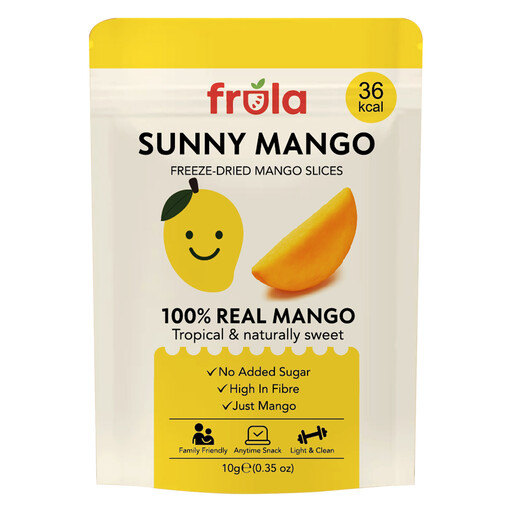
Frula Freeze Dried Mango 10g
The 10g pack is a compact option for a school lunch. It is freeze-dried mango; check the current ingredients and allergen wording before choosing it for a child with dietary restrictions.
View on Joybuy
 No image available
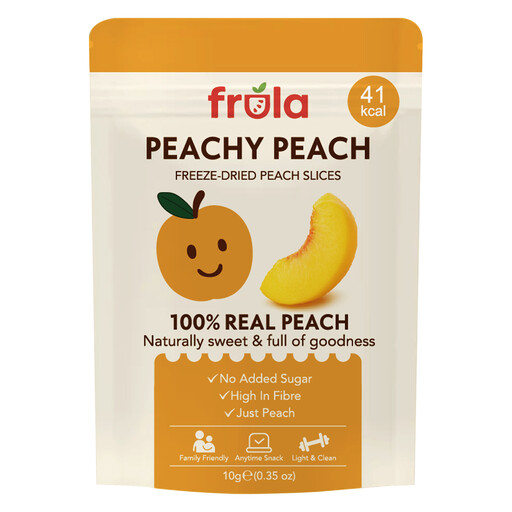
Frula Freeze Dried Peach 10g
This 10g freeze-dried peach pack is another compact lunch format. Check its current ingredient list and any precautionary allergen wording against the child’s plan.
View on Joybuy
 No image available
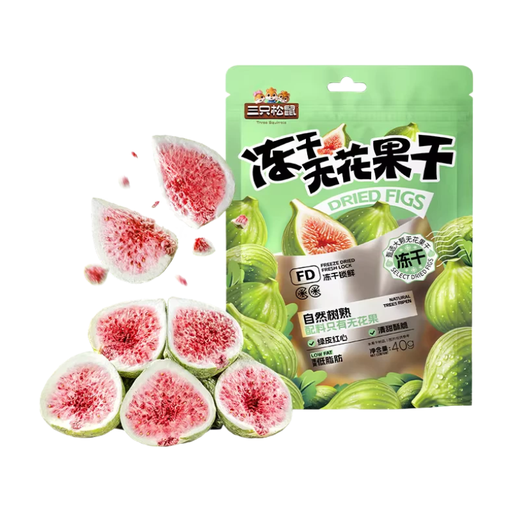
Three Squirrels Freeze-Dried Figs 40g
The 40g pack offers a different size from the 10g fruit packs. These figs are freeze-dried rather than conventional dried figs; check both the child’s texture preference and the current allergen label.
View on Joybuy
 No image available
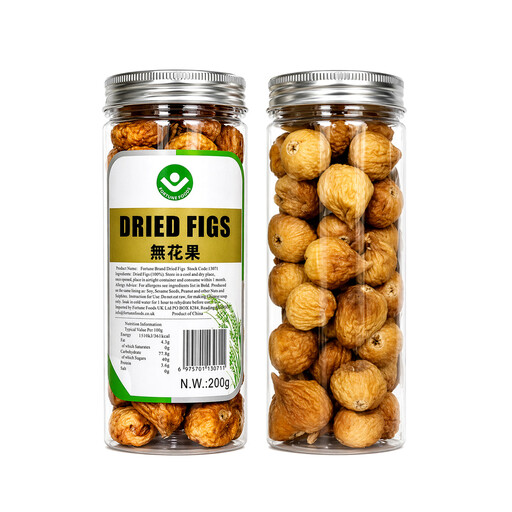
Figs 200g
This 200g fig pack can be portioned at home for individual lunches. Check the current ingredients and allergen information before packing a portion.
View on Joybuy
 No image available
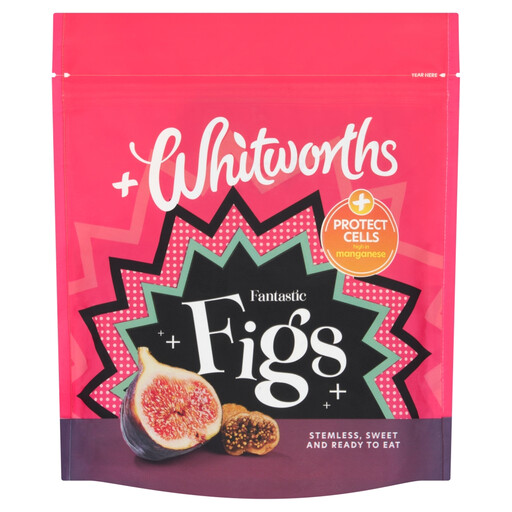
Whitworths Figs 175g
The 175g pack needs portioning if you want to put a smaller amount in lunch. Pay particular attention to the pack’s precautionary wording about nuts and peanuts when checking it against the child’s plan and school arrangements.
View on Joybuy
School-lunch dried fruit FAQs
Does ‘free-from’ mean dried fruit is suitable for every allergy?
No. GOV.UK says a free-from claim guarantees absence of the allergen it names, not allergens it does not name. Match the claim and the full current label to the child’s individual allergy plan.
Should I check dried fruit for sulphites?
Yes, if the child must avoid sulphur dioxide or sulphites. The Food Standards Agency notes that they are used in some dried fruit. Read the current ingredients for terms including ‘sulphur dioxide’, ‘sulphites’ and ‘sodium metabisulphite’.
Can I assume any fruit snack fits the school’s allergy rules?
No. Check the school’s arrangements and the child’s individual risk plan. Anaphylaxis UK recommends individual risk assessment; it does not suggest assuming that every school operates as nut-free.
When should dried fruit go in a child’s lunch?
If the product meets the child’s dietary requirements, serve it as part of lunch rather than as a frequent between-meal snack. The NHS advises keeping dried fruit to mealtimes because it can stick to teeth and increase tooth-decay risk.
Is a supermarket product page enough for an allergy check?
Use it to identify a product to consider, then read the physical pack before buying and packing it. Sainsbury’s and M&S caution that product information can change, so an online description should not replace the current label.


