What to check before buying
Start with the allergen you need to avoid, then compare pack format for the way your household will use the fruit.
| Priority | What to check | Your needs |
|---|
| Named allergen |
Read the exact product’s ingredients and any free-from statement. Check that the statement names the allergen you need to avoid; reread the physical pack when buying. |
I need information about my household’s particular restriction, not a general claim about fruit or a whole brand. |
| Sulphites |
Look for sulphur dioxide, sulphites and preservatives such as sodium metabisulphate. Food Standards Scotland notes that sulphites can be used in dried fruit; Whitworths lists sodium metabisulphate in its Favourites Mango. |
If sulphites matter in my household, I need to check each product and flavour rather than assume all dried fruit has the same ingredients. |
| Precautionary warnings |
Check for “may contain” and “not suitable for” wording as well as ingredients. The Food Standards Agency describes precautionary allergen labelling as a way to communicate possible unintended allergen presence. |
A fruit-and-nut or coated snack needs its own check for the allergens I avoid, even when its fruit ingredients look familiar. |
| Pack format |
Check portion size and total pack size against your intended use. The BEAR Berry and Raspberry listings describe 5 × 20g multipacks; Tesco lists its Sultanas in a 500g pack. |
For lunchboxes, separate portions may be useful. For baking or cooking, I may prefer a larger pack once its label meets my household’s requirements. |
Brand and retailer references
These examples illustrate why allergy information needs checking product by product; a retailer or brand name alone does not establish suitability.
Whitworths
Its range includes plain dried fruit and mixed or coated snacks with different ingredient and allergen information.
- Favourites Mango has a published ingredient list that names sodium metabisulphate.
- Raisin & Chocolate SHOTS list soya and sulphur dioxide and may contain peanuts, other nuts, milk, sesame and cereals containing gluten. Check the individual product rather than the brand.
Tesco
Its 500g Sultanas pack is an example of a larger dried-fruit pack for cooking or baking.
- Tesco lists sultanas and sunflower oil as the ingredients for this product.
- Tesco advises reading the label because ingredients and allergen information can change; the ingredient list alone is not a free-from declaration.
Sainsbury’s
The retailer provides allergen-specific information for its own-brand range and product information for other snacks it sells.
- Its listing describes BEAR Fruit Yoyos Raspberry Multipack as gluten free and nut free, with no allergens present.
- That description applies to the specified BEAR product, not to every dried-fruit product at Sainsbury’s. Check the current pack.
Asda
Its product listing for BEAR Fruit Treasures Berry includes a dedicated allergy-advice field.
- ASDA lists the specified Berry multipack as free from nuts and cereals containing gluten.
- The statement is specific to that product and the named restrictions; read the physical label before relying on it.
M&S
M&S publishes allergy-labelling information alongside product-specific ingredient and suitability details.
- M&S explains that its packs use a blue suitability statement where cross-contamination is possible.
- Its Dried Pineapple lists sulphur dioxide and is marked unsuitable for people with nut, peanut or sesame allergies, despite its fruit-focused description.
Dried-fruit options on Joybuy
These packs offer different fruit types and sizes for a weekly shop. If you are avoiding an allergen, check the current ingredient and allergy information for the exact pack rather than treating its fruit type or its inclusion here as a free-from statement.
 No image available
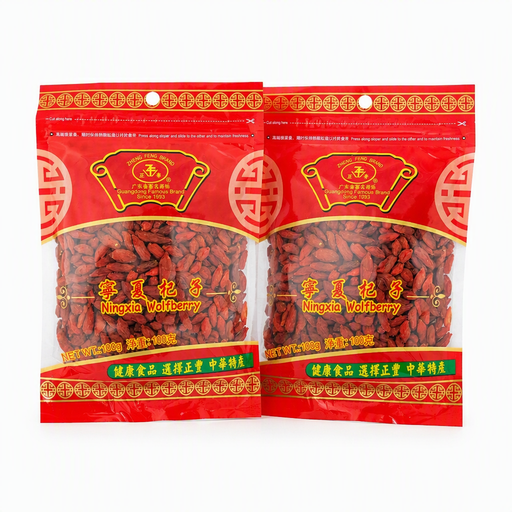
Zheng Feng NingXia Wolfberry 100g ×2
The two-pack format may suit a household using wolfberries regularly. The product information says to wash and cook them before consumption; check the pack’s current allergen information for your requirements.
View on Joybuy
 No image available
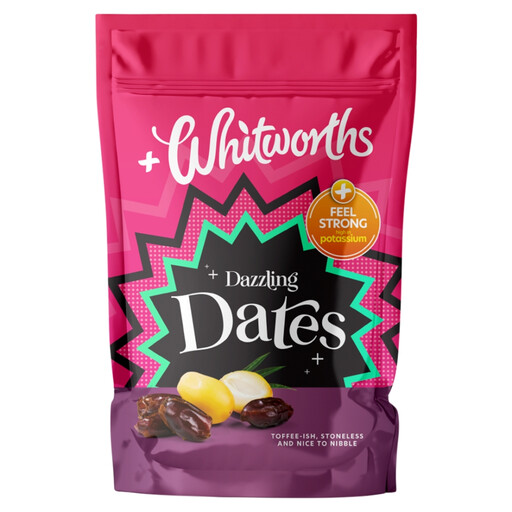
Whitworths Dates 300g
A 300g dates pack is an option to consider for cooking or baking. Its product safety information warns that an occasional shell fragment may be present; check the current pack for allergen information as well.
View on Joybuy
 No image available
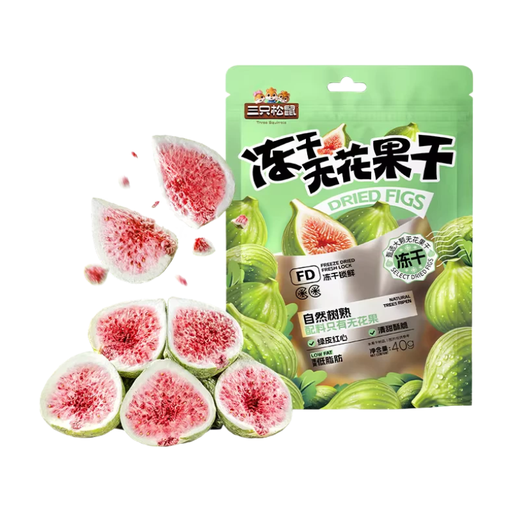
Three Squirrels Freeze-Dried Figs 40g
The 40g freeze-dried fig pack is a smaller snack format. Check its current ingredients and allergy wording if you need to avoid a particular allergen.
View on Joybuy
 No image available
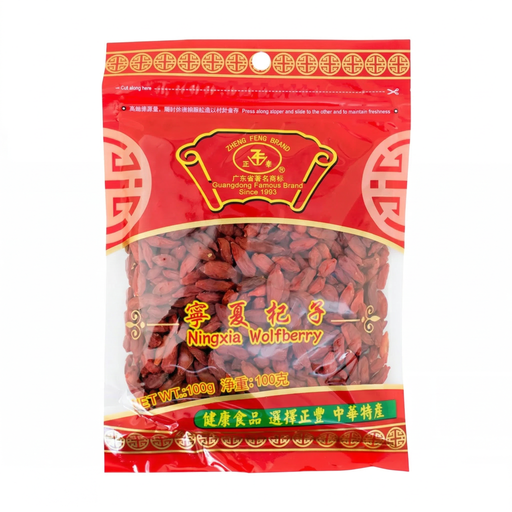
Zheng Feng NingXia Wolfberry 100g
This is the single 100g wolfberry pack rather than the two-pack. The product information says to wash and cook the berries before consumption; read the current pack for the allergen details you need.
View on Joybuy
 No image available
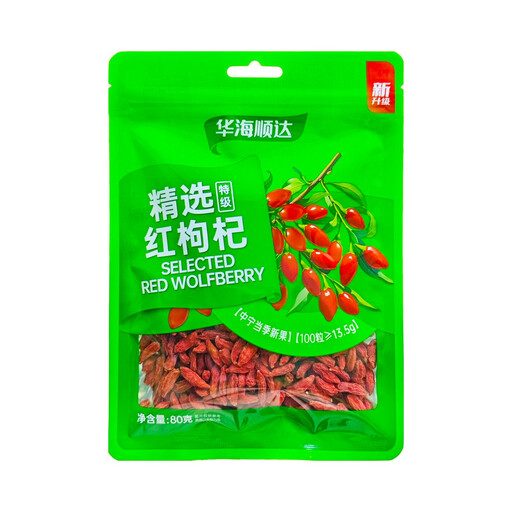
HUASEED Goji Berries 80g
The 80g pack is another size to consider for cooking, including porridge or soup. Confirm the current ingredients and allergy information against your household’s requirements.
View on Joybuy
Frequently asked questions
Is dried fruit automatically free from allergens?
No. Food Standards Scotland notes that sulphites can be used as preservatives in dried fruit, and Whitworths lists soya and sulphur dioxide in its Raisin & Chocolate SHOTS, alongside several “may contain” warnings. Check the current ingredients and allergy information for each product.
What does “nut free” or “gluten free” tell me?
It tells you about the stated restriction on the specified product, not every allergen or every flavour in a range. ASDA makes nut-free and gluten-free statements for BEAR Fruit Treasures Berry, while Sainsbury’s makes them for BEAR Fruit Yoyos Raspberry; check the exact pack you intend to buy.
Why check for sulphites in dried fruit?
Sulphites can be used as dried-fruit preservatives, according to Food Standards Scotland. Whitworths Favourites Mango lists sodium metabisulphate, and M&S Dried Pineapple lists sulphur dioxide, so check the ingredient declaration if sulphites are relevant to your household.
Is an online supermarket listing enough for an allergy purchase?
Use the listing to identify a possible product, then check the physical pack’s ingredients and allergy statements before buying and using it. Tesco advises that ingredients and allergen information can change, so an earlier listing should not replace the current label.


