What to check before buying
Start with the restriction that matters to you, then check precautionary wording and whether the packaging will remain identifiable in shared storage.
| Priority | What to check | Your needs |
|---|
| Named allergens and sulphites |
Read the ingredients and allergy advice for each ingredient you avoid. The Food Standards Agency’s UK guidance includes sulphur dioxide and sulphites among allergens requiring declaration when their concentration exceeds 10 parts per million. |
I need the pack to address my particular restriction, rather than assuming that plain-looking fruit is suitable. Asda lists sulphur dioxide or sulphites in its Three Raisin Mix. |
| Gluten-free wording |
Check for a product-level gluten-free claim if gluten is your concern, then inspect the other allergy information separately. The Food Standards Agency defines gluten-free as no more than 20 mg/kg of gluten in the food as sold. |
Gluten matters to me, but I may also need to avoid nuts or milk. M&S labels its Made Without Wheat Fruit and Nut Muesli gluten-free, yet lists nuts and says it is unsuitable for certain other allergies. |
| Cross-contact advice |
Look for wording such as ‘may contain’ or ‘not suitable for’ alongside the ingredient list. Food Standards Agency research describes precautionary allergen labelling as information about allergens that could be unintentionally present. |
I share cupboards with other people and need to recognise both recipe ingredients and possible cross-contact warnings before choosing a snack. |
| Portions and storage |
Check whether the pack is portioned or can be resealed. Keep its product name, allergy advice and best-before information with the food if you transfer it to a container. |
Something I can carry to lectures would be useful, but I also want to know which snack is mine when I return to a shared kitchen. |
Brand and retailer references
These examples show why allergy information needs checking on the individual product, not inferred from a retailer or brand name.
Tesco
Tesco lists dried fruit and fruit snacks with product-level information.
- Tesco describes BEAR Fruit Bites Berry as gluten-free and nut-free, and BEAR Dried Strawberries as containing no sulphites.
- Those statements concern the named products; check their current packs before choosing either for a restriction.
M&S
Its Made Without Wheat range includes a fruit-and-nut muesli containing dried fruit.
- M&S labels Made Without Wheat Fruit and Nut Muesli gluten-free.
- It contains almonds and Brazil nuts and is stated to be unsuitable for milk, nut and peanut allergies.
Whitworths
Its range includes composite fruit snacks as well as dried-fruit products.
- Whitworths lists wheat, milk and soya in SHOTS Fruity Biscuit, plus precautionary statements for other allergens. Check the particular recipe rather than relying on the brand or fruit content.
Asda
Asda has a Free From range alongside conventional dried-fruit products.
- Asda describes its Free From range in terms of gluten-, dairy- and egg-free requirements.
- Its Three Raisin Mix lists sulphur dioxide or sulphites and says it may contain peanuts and nuts; the range name does not describe every Asda product.
Sainsbury's
Sainsbury's provides allergen information for its own-brand products and advises checking packaging.
- Its guidance explains that ‘not suitable’ allergy wording can reflect a manufacturing cross-contact risk.
- Sainsbury's says products and ingredients can change, so an allergen list should not replace a check of the current pack.
Joybuy fruit options
These Joybuy options include dried fruit for a student cupboard and one portable fruit purée. The purée is not dried fruit; for every option, use the current pack to check the restrictions that matter to you.
 No image available
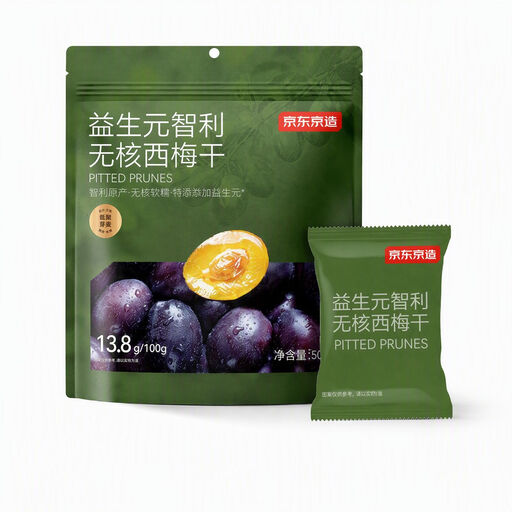
J.ZAO Pitted Chilean Prunes 500g
Pitted prunes offer a dried-fruit option for a student cupboard. The product name states that they are individually wrapped; check the current pack for the specific allergen or sulphite information you require.
View on Joybuy
 No image available
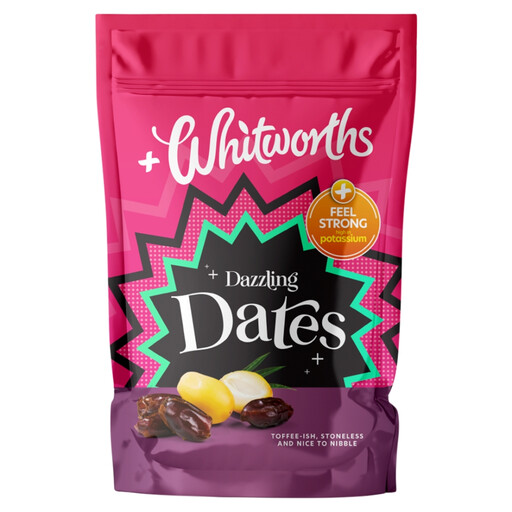
Whitworths Dates 300g
This 300g pack is a dried-fruit option for shared cupboard storage. If you need to avoid sulphites, nuts or gluten, check the current ingredients and allergy advice for each restriction separately.
View on Joybuy
 No image available
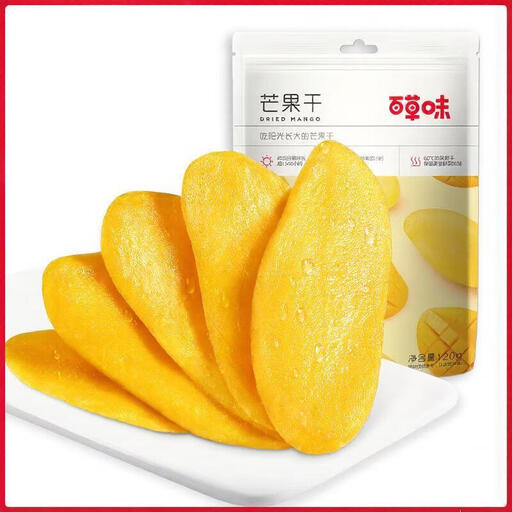
Be&Cheery Dried Mango 120g
This 120g dried-mango pack offers another fruit choice to compare. Read its current ingredients and allergy advice if sulphites or another ingredient are part of your decision.
View on Joybuy
 No image available
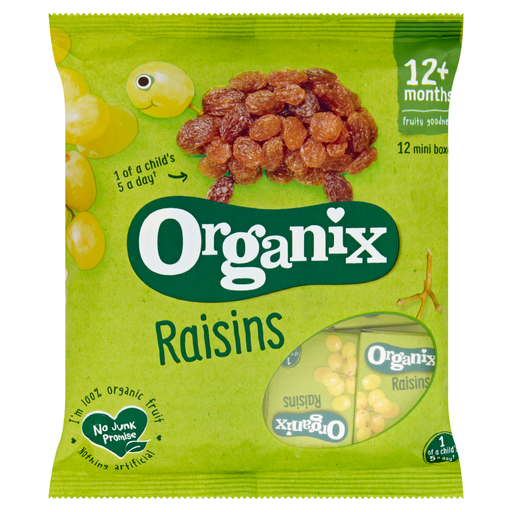
Organix Goodies Raisins 12+ Months, 12 x 14g
The 12 x 14g format gives you separate raisin portions to carry or store. Check the current pack’s allergy advice rather than assuming that a short ingredient list establishes a particular free-from status.
View on Joybuy
 No image available
Ella's Kitchen Apples 4+ Months 70g
This 70g apple fruit purée is a portable fruit option, not a dried-fruit substitute with the same format or storage needs. Check its current pack if you are considering it for particular free-from requirements.
View on Joybuy
Questions about free-from dried fruit
Does gluten-free mean a fruit product is suitable for every allergy?
No. The Food Standards Agency defines gluten-free as no more than 20 mg/kg of gluten in the food as sold; it does not establish freedom from other allergens. For example, M&S Made Without Wheat Fruit and Nut Muesli is labelled gluten-free but contains almonds and Brazil nuts and is stated to be unsuitable for milk, nut and peanut allergies.
Do I need to check for sulphites in dried fruit?
Yes, if sulphites are a restriction for you. The Food Standards Agency’s UK guidance includes sulphur dioxide and sulphites among allergens requiring declaration above 10 parts per million. Asda lists them in Three Raisin Mix, while Tesco describes BEAR Dried Strawberries as containing no sulphites; check the current pack you intend to buy.
What do ‘may contain’ and ‘not suitable for’ tell me?
They can warn of possible allergen cross-contact rather than an ingredient deliberately used in the recipe. Food Standards Agency research describes precautionary labelling as communicating possible unintended allergen presence, and Sainsbury's says its ‘not suitable’ wording can reflect manufacturing risk. Read these statements alongside the ingredients for the allergen you need to avoid.
Can I choose from an online product description alone?
Use it to narrow down options, then check the current pack before eating. Sainsbury's warns that products and ingredients can change; an earlier listing does not settle the allergy information on the pack in front of you.
What should I keep with dried fruit in a shared kitchen?
Keep its original labelled packaging, or clearly label a container with the product and relevant pack information. That way, you can identify its allergy advice and best-before date after opening rather than relying on memory or appearance.


