Students cooking several dinners
If dried fruit is an ingredient rather than a snack, consider whether you will use the pack across several dishes and can store it as directed after opening.


For a student dinner, choose dried fruit that meets the specific allergen exclusion you need before deciding on a pack size. A larger cooking pack makes sense if you will use it across several meals, but plain fruit is not automatically suitable for every allergy; an explicit free-from claim is useful only when it matches your requirement and the current pack supports it.
If dried fruit is an ingredient rather than a snack, consider whether you will use the pack across several dishes and can store it as directed after opening.
Match the current ingredients, allergen declarations and precautionary wording to the allergen you need to avoid. A plain-fruit or vegan description does not settle that question.
Check each product individually. Tesco’s listed mixed dried fruit contains sulphur dioxide, while its BEAR dried-cherry listing states that the product is free from sulphur dioxide and sulphites; the current pack remains the deciding reference.
Start with the named exclusion, then compare the ingredients and pack format with the dinner you plan to make.
| Priority | What to check | Your needs |
|---|---|---|
| Named allergen | Read the current ingredients, highlighted allergens and any precautionary statement. Check that a free-from claim names the allergen you avoid. | I need to know whether this particular pack suits my exclusion, rather than relying on a general description such as vegan or plain fruit. |
| Sulphites | Look for sulphur dioxide or sulphites on the pack. Tesco lists sulphur dioxide in its mixed dried fruit; its BEAR dried-cherry listing states that the cherries are free from sulphur dioxide and sulphites. | If I avoid sulphites, I need a current label that supports that requirement, regardless of whether the product looks like plain fruit. |
| Ingredients | Check whether the pack contains only the fruit you want or additional ingredients. Tesco’s listed mixed dried fruit includes candied peel containing glucose syrup, sugar and sulphur dioxide. | For my dinner recipe, I may want raisins or sultanas rather than a baking mix with peel. |
| Pack size | Compare the weight with how often you will use the fruit, and follow the pack’s storage directions after opening. | A larger pack suits me if I can use it across several dinners; otherwise I would choose an amount I expect to finish. |
| Meal portion | The NHS says 30g of dried fruit counts as one 5 A Day portion and advises eating dried fruit at mealtimes rather than between meals. | I want to add a measured amount to a dish, rather than leave an open pack out for grazing. |
A fruit-based name does not rule out allergen ingredients or precautionary warnings. For example, M&S identifies sulphites in its Orchard Fruits Medley and states that it is not suitable for people with nut, peanut or sesame allergy.
Identify the allergen you avoid, then read the current pack’s ingredients, allergen declaration and precautionary wording.
Tesco’s listed mixed dried fruit includes candied peel with glucose syrup, sugar and sulphur dioxide. That ingredient mix may not suit a recipe calling for plain raisins or a sulphite-free requirement.
Check the full ingredient list against both the recipe and your named exclusion before choosing a mixed pack.
A cooking pack is useful across repeated dinners only if its contents suit the dishes you make and you can follow its storage directions after opening.
Choose a pack size you expect to use, after checking its allergy suitability.
Whitworths lists plain raisins as well as coated fruit and nut-containing mixes.
The cited Tesco listings show why a cooking mix and a product with named free-from claims need separate label checks.
Sainsbury's lists raisins, sultanas and mixed dried fruit in cooking-sized packs.
M&S provides product-specific allergen and suitability information for its Orchard Fruits Medley.
Sunsweet presents prunes and other dried fruit, including recipe ideas for savoury dishes.
These packs offer raisins, sultanas, dates and wolfberries to consider for cooking. For a free-from requirement, check the current label of the individual pack before use.
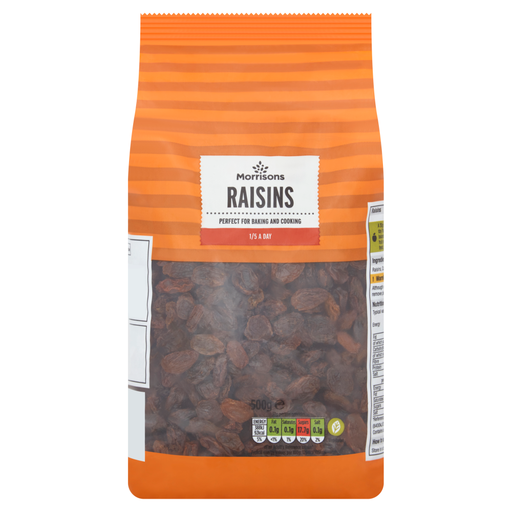 No image available
A 500g raisin pack to consider if you use raisins in more than one dinner. Check the current ingredients and allergen information against your specific requirement.
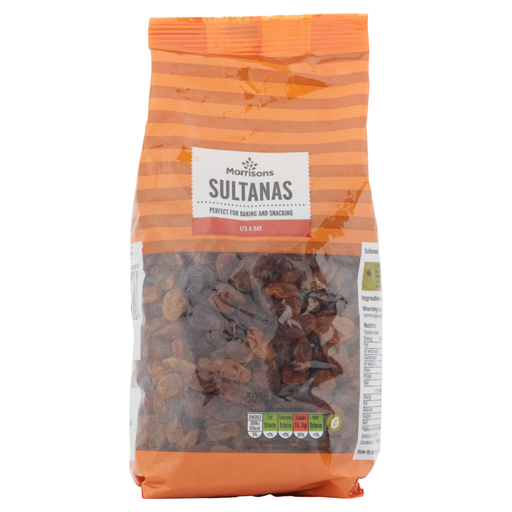 No image available
This 500g pack is an option for dishes calling for sultanas across several meals. Read the current pack for ingredients and any allergy advice.
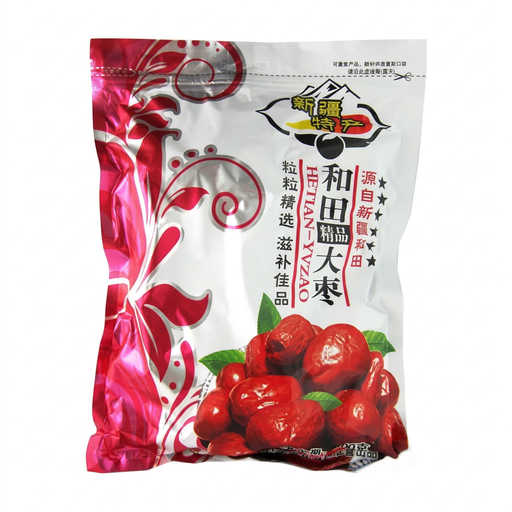 No image available
A 500g dried-date pack to consider when this fruit suits the dish you are making. Follow its preparation directions and check the current allergen information.
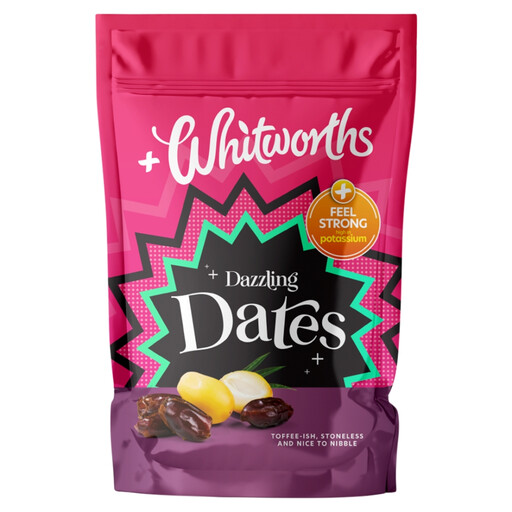 No image available
A 300g date pack for a recipe that calls for dates. Check its current ingredients and precautionary allergy wording before adding it to dinner.
 No image available
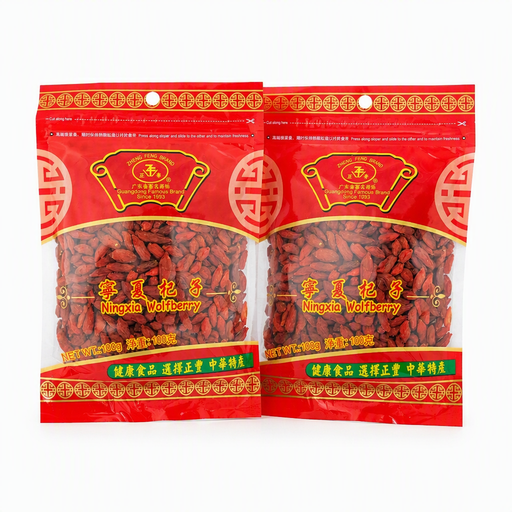
Two 100g packs of wolfberries to consider for a dish using this ingredient. Read the preparation directions and current allergen information on the pack.
No. Check which specific allergen a claim names, then read the current ingredients and any precautionary wording for the allergen you avoid. Plain fruit or a vegan description is not a substitute for that check.
Products differ: Tesco’s listed mixed dried fruit contains sulphur dioxide, while its BEAR dried cherries are described as free from sulphur dioxide and sulphites. If you avoid sulphites, confirm the information on the current pack.
It can be if you expect to use the fruit in several meals and can store it as directed after opening. First make sure the ingredients and allergy information suit your needs; pack size alone cannot answer that.
Use it to identify products to check, but read the physical pack before buying or eating. Sainsbury's says ingredients can change and recommends checking packaging even though it updates its own-brand allergen lists monthly.
The NHS says 30g of dried fruit counts as one 5 A Day portion. It also advises eating dried fruit at mealtimes rather than between meals to reduce the risk of tooth decay.