
24/7 Customer Support

Free returns

Same-day & Next-day Delivery

Quality Guaranteed

Unlock Your Welcome Offers: FREE Delivery | Up to 80% OFF | Free 30-day JoyPlus trial
Download the APP
As a Joybuy Product Recommendation Officer, my role is to help you make informed choices. The world of "free from" drinks can be confusing. Whether you're looking for sugar-free, caffeine-free, alcohol-free or plant-based options, the labels don't always tell the full story. Many shoppers find themselves with products that don't quite meet their health goals or dietary needs.
This guide will help you understand the common pitfalls and identify the key factors to check before you buy, ensuring your choices are both refreshing and right for you.
Navigating the drinks aisle requires a sharp eye. Here are three common traps that can lead to a disappointing purchase:
To avoid these traps, focus on a few non-negotiable details on the product label. This will empower you to see past the marketing and understand exactly what you're getting.
This is the most important step. Don't just look at the calories; pay close attention to the "Carbohydrates" line and, specifically, the "of which sugars" value.
The ingredients are listed by weight, from highest to lowest. This is where you can spot potential issues.
Here are a few options that align with specific needs, helping you sidestep the common purchasing traps.
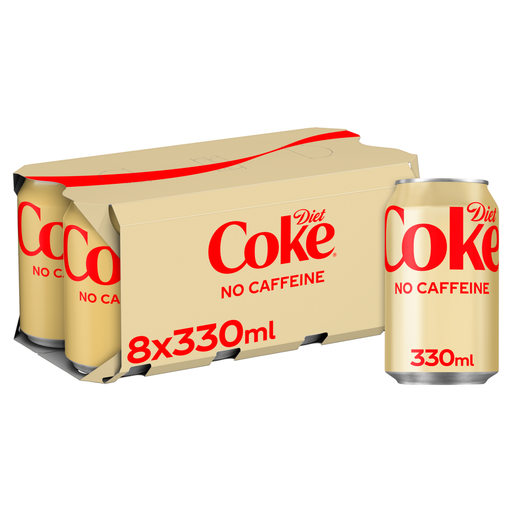
Why This Fits Their Persona: Ideal for those in the UK who love the familiar taste of a cola in the evening but want to avoid caffeine disrupting their sleep. It's a straightforward choice for movie nights or with a late dinner.
This product is explicitly caffeine-free, sugar-free and a zero calorie soft drink. It completely avoids the trap of hidden stimulants or sugars, delivering exactly what it promises.
Provides the classic, crisp cola taste without any caffeine or sugar. The multipack format is convenient for stocking the fridge.

Why This Fits Their Persona: Perfect for someone in the UK looking for a sophisticated, celebratory non alcoholic wine alternative. It looks and feels special, making it ideal for toasts, parties or a weekend treat without the alcohol.
It sidesteps the "health halo" trap by being positioned as a celebratory alternative, not a health drink. The label is clear about its ingredients, including sugar content (5g/100ml) and the use of de-alcoholised wine.
It is vegan certified and provides the effervescent, elegant experience of sparkling rosé, ensuring you don't feel left out during social occasions.
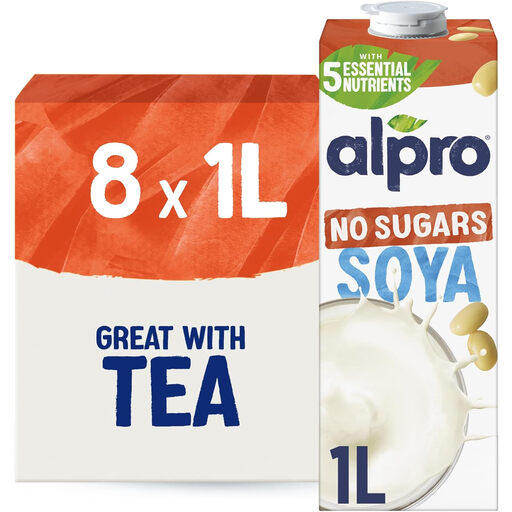
Why This Fits Their Persona: An excellent staple for UK families and individuals managing multiple dietary needs. This versatile dairy free milk alternative can be used in cereal, smoothies, tea and cooking.
This product directly counters the "no added sugar" confusion by having zero sugars whatsoever. It is also clearly labelled as a soya product, avoiding the hidden allergen trap for those who need to know.
It's a source of high-quality plant protein and is fortified with Calcium, B2, B12 and D. The long-life format is practical for keeping the pantry stocked.
We have compiled a complete, real-time list of products that fully satisfy these strict selection criteria and UK safety regulations.
A "no added sugar" drink has not had sugar added as an ingredient during production, but it can still contain naturally occurring sugars from its core components, like fruit. A "sugar-free" drink must contain no more than 0.5g of total sugar per 100ml, making it a much stricter standard for those monitoring their sugar intake.
Not always. In the UK, a product can be labelled "alcohol-free" if it contains 0.05% ABV or less. Products described as "de-alcoholised," such as some non-alcoholic wines, can contain up to 0.5% ABV. If you need a product with absolutely no alcohol (0.0%), you should look for this specific declaration on the label.
Not necessarily. While plant based drinks like soya, oat or almond milk are great dairy free milk alternatives, their nutritional value varies widely. Some can be high in added sugars, oils or salt to improve taste and texture. It is always a good idea to check the nutritional information and ingredients list and look for unsweetened and fortified versions that contain added calcium and vitamins like D and B12.