
24/7 Customer Support

Free returns

Same-day & Next-day Delivery

Quality Guaranteed

Unlock Your Welcome Offers: FREE Delivery | Up to 80% OFF | Free 30-day JoyPlus trial
Download the APP
Navigating the world of free from food can feel like a minefield. Whether you're managing a food allergy, embracing a plant-based lifestyle or simply trying to make more conscious choices, the supermarket aisles and online stores are filled with promises. But not all "free from" labels tell the whole story. As a Joybuy Product Recommendation Officer, my role is to help you see past the marketing clutter and find products that genuinely fit your needs.
Many of us have been there: you buy a "healthy" snack only to find it's loaded with sugar, or a gluten-free loaf that has the texture of a brick. Let's look at the common pitfalls to avoid wasting your money and time.
To make informed choices, focus on the details beyond the front-of-pack claims. By analysing a few key parameters, you can ensure the products you choose are right for you.
The single most important habit is to ignore the front label initially and turn straight to the back. Here’s what to look for:
For those with specific health needs, understanding the labelling is non-negotiable.
Here are a few products that align with these principles, matched to different needs and lifestyles.
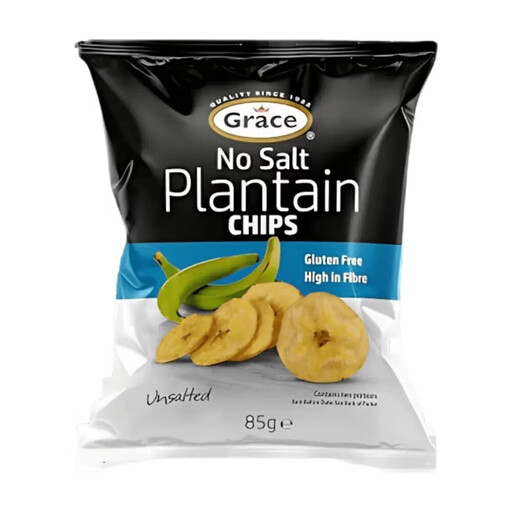
Why This Fits Their Persona: This is an ideal alternative to traditional potato crisps for anyone in the UK wanting a savoury crunch without the high salt content. It's a simple, satisfying snack that fits a clean-eating approach.
It directly counters the "healthy halo" trap. With just two ingredients (green plantains and oil) and 0g of salt, there are no hidden additives. It is a genuinely simple and transparent snack.
Naturally gluten-free and vegan. The use of plantain offers a unique, subtly sweet flavour and a firm, crisp texture that holds up well with dips.
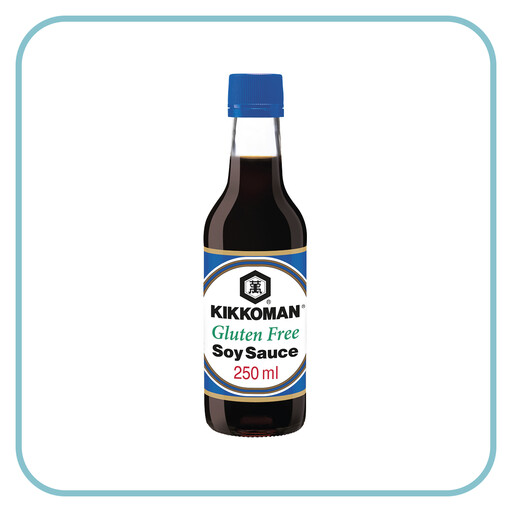
Why This Fits Their Persona: For anyone in the UK who needs reliable gluten free groceries, this is an essential pantry staple. Standard soy sauce contains wheat, making it unsuitable for those with coeliac disease or a gluten intolerance.
It avoids the flavour compromise. As a naturally brewed tamari, it delivers a rich, complex umami flavour that is just as deep as high-quality traditional soy sauce, ensuring your cooking doesn't suffer.
Certified gluten-free, vegan and halal, making it a safe and versatile choice for many dietary needs. It's made from just four ingredients, with no artificial additives.

Why This Fits Their Persona: This is a perfect pantry staple for anyone needing a versatile, truly sugar-free dairy alternative. It's ideal for adding to coffee, cereal or protein shakes without a second thought about hidden sugars.
It cuts through the "no added sugar" confusion by having 0g of total sugars. This is a clear, unambiguous choice for those strictly monitoring their sugar intake, unlike many other plant milks.
It's a source of high-quality plant protein and is fortified with calcium and vitamins B2, B12 and D. The long-life format makes it convenient to stock up.
We have compiled a complete, real-time list of products that fully satisfy these strict selection criteria and UK safety regulations.
1. How can I be sure a 'gluten-free' product is safe for coeliacs in the UK? For the highest level of assurance, look for products that are "certified gluten-free" and display the official Crossed Grain trademark. This means they are produced in a controlled environment and contain less than 20 parts per million of gluten. Always read the full label for any "may contain" warnings, as this indicates a risk of cross-contamination during manufacturing.
2. Are 'sugar-free' snacks always a healthier choice? Not automatically. A sugar-free snack might be high in saturated fat or salt to enhance its flavour. Furthermore, many use sugar alcohols (like xylitol or sorbitol) as sweeteners. While they don't impact blood sugar in the same way as sugar, they can cause digestive discomfort for some individuals if consumed in large amounts. It's always best to check the entire nutritional panel.
3. What are some essential 'free-from' healthy pantry staples to start with? A great starting point for a versatile free-from pantry includes: