People limiting daily carbohydrate
A small pack can still account for part of a daily carbohydrate allowance. Compare the amount in the portion you would actually eat, not just the description on the front of the pack.


Choose a free-from maize snack for the specific allergen exclusion stated on its label, not on the assumption that it fits a keto diet. Tesco Groceries lists 15.9g and 16.3g carbohydrate per 25g serving for two free-from snacks, while the British Dietetic Association describes a ketogenic diet as 20–50g carbohydrate per day. Check the carbohydrate in the portion you would eat and the current allergen declaration separately; if you follow a prescribed ketogenic diet, use your individual clinical guidance.
The deciding factor differs depending on whether carbohydrate, a particular allergen or both affect your snack choice.
A small pack can still account for part of a daily carbohydrate allowance. Compare the amount in the portion you would actually eat, not just the description on the front of the pack.
Look for a declaration covering the particular ingredient you avoid. A maize-based recipe alone does not establish that its seasoning or other ingredients meet that requirement.
Neither check replaces the other. Read the carbohydrate figure alongside the ingredient, allergen and precautionary statements for the exact product and flavour.
Start with the carbohydrate in your intended portion, then check the exact allergen exclusion you need. A free-from claim answers a different question from keto compatibility.
| Priority | What to check | Your needs |
|---|---|---|
| Carbohydrate per portion | Read carbohydrate per pack or serving and check how much you plan to eat. If comparing unlike pack sizes, use the per 100g figures on the same basis as well. | I need to know how the portion fits my own carbohydrate allowance. The British Dietetic Association describes ketogenic diets as providing 20–50g carbohydrate across an entire day. |
| Specific free-from claim | Match the stated exclusion to the ingredient you avoid; check the current label for the exact flavour. Tesco Groceries lists its Free From Onion Maize Snack Rings and Bacon Rashers as gluten free, wheat free and milk free, with 15.9g and 16.3g carbohydrate respectively per 25g serving. | If I need to avoid gluten, wheat or milk, I want that particular exclusion stated. I cannot use a free-from claim to judge carbohydrate content. |
| Full allergen information | Read the ingredients and allergen declaration, including any ‘may contain’ or factory-handling wording. Do not apply one flavour’s information to another. | A familiar maize snack may still conflict with an ingredient I avoid. For example, Walkers UK lists milk in Wotsits Cheese and barley, milk, soya and wheat in Quavers Cheese. |
A free-from label addresses specified ingredients, not carbohydrate. Tesco Groceries lists 15.9g carbohydrate per 25g serving for Free From Onion Maize Snack Rings and 16.3g for Free From Bacon Rashers.
Check the carbohydrate in the amount you intend to eat against your own allowance, then check the relevant free-from declaration separately.
Seasonings and other ingredients can change what a snack contains. Walkers UK lists milk in Wotsits Cheese; its Quavers Cheese listing names barley, milk, soya and wheat.
Read the full declaration for the exact product and flavour rather than relying on the word ‘maize’.
Neither a small pack nor a baked description tells you its carbohydrate content. Walkers UK lists 12.6g carbohydrate per 22.5g portion of Wotsits Cheese.
Use the labelled carbohydrate amount for the portion you would eat when making a keto-related choice.
‘May contain’ and similar wording can flag possible unintended allergen presence. The Food Standards Agency describes precautionary allergen labelling as a way to communicate that risk.
If you have a food allergy, assess that wording as well as the ingredient list, using your established allergy advice where needed.
These examples show why a free-from declaration and a portion’s carbohydrate figure need separate checks; the details apply to the named products, not every snack from each brand.
Tesco Groceries lists Onion Maize Snack Rings and Bacon Rashers with gluten-free, wheat-free and milk-free claims.
Walkers UK lists Wotsits Cheese as a maize-based cheese snack.
Walkers UK lists Pickled Onion as a maize snack with 12g carbohydrate per 20g pack.
Walkers UK lists 9.9g carbohydrate per 16g pack of Quavers Cheese.
Tesco Groceries lists 14.4g carbohydrate per 23g pack of Smiths Frazzles Bacon Snacks.
Bestway Wholesale lists 9.5g carbohydrate per 17g pack of Skips Prawn Cocktail, a tapioca snack containing maize flour rather than a maize-only snack.
These options cover a corn snack and two different snack formats. Check each one against your own carbohydrate and allergen requirements rather than treating the group as a set of free-from keto maize snacks.
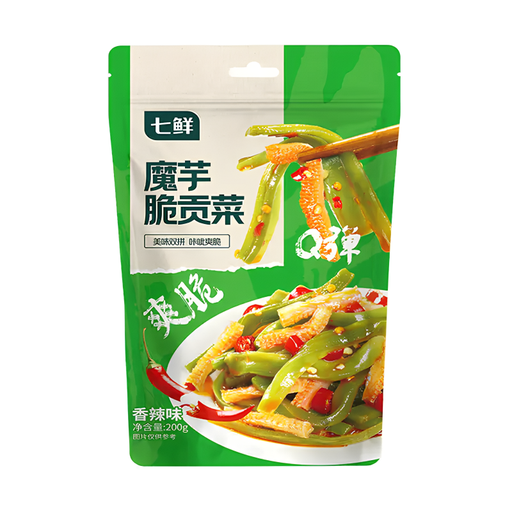 No image available
A savoury konjac and edible fungus snack rather than a maize snack. The pack is 200g; check its nutrition and allergen declaration for the portion you intend to eat.
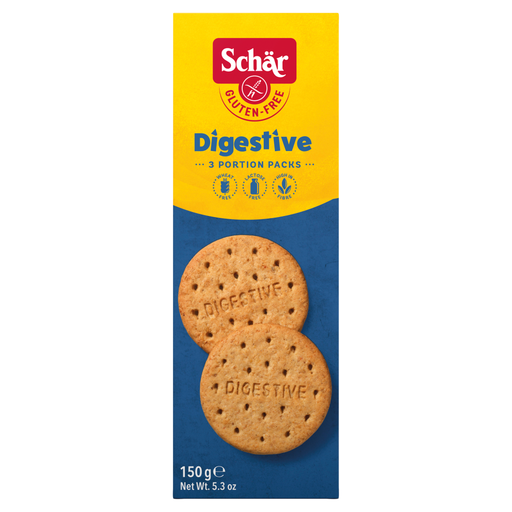 No image available
A gluten-free biscuit rather than a savoury maize puff or crisp. The pack is 150g; check the carbohydrate for the number of biscuits you would eat and read the full allergen declaration.
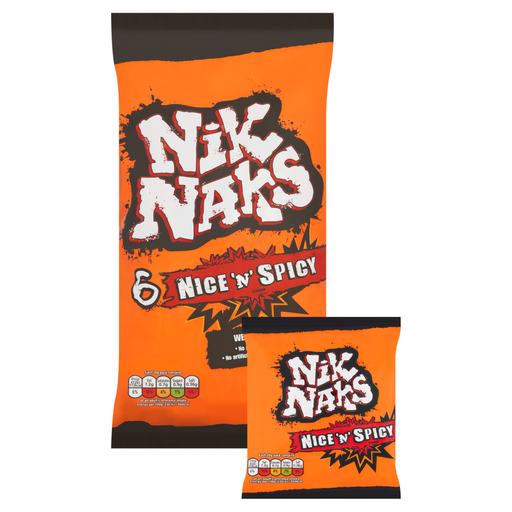 No image available
A savoury corn snack supplied in six 20g packs. Use the nutrition figure for the number of packs you would eat, and check the current allergen declaration rather than assuming corn snacks are free from particular ingredients.
No. Those claims address specified ingredients, while keto-related choices require a separate carbohydrate check. Tesco Groceries lists 15.9g and 16.3g carbohydrate per 25g serving for its Free From Onion Maize Snack Rings and Bacon Rashers; the British Dietetic Association describes ketogenic diets as providing 20–50g carbohydrate per day.
Among the individually packed branded snacks compared here, Bestway Wholesale lists 9.5g per 17g pack of Skips Prawn Cocktail, while Walkers UK lists 9.9g per 16g pack of Quavers Cheese. Those are different portion sizes, not a like-for-like per 100g comparison. Skips may contain gluten-containing cereals, milk and soya; Quavers Cheese contains barley, milk, soya and wheat.
Check the ingredients and allergen declaration for the exact flavour, followed by any ‘may contain’ or factory-handling statement. A claim about one excluded ingredient does not cover every allergen; the Food Standards Agency explains that precautionary allergen wording communicates possible unintended presence.
Use your individual clinical guidance instead of treating a general snack comparison as a meal plan. A prescribed ketogenic diet may have requirements that cannot be determined from a product’s carbohydrate figure alone; discuss product choices with the clinician or dietitian overseeing your diet.