Shoppers avoiding gluten who can eat nuts
Look for a gluten-free claim on the particular product, then check its other ingredients and allergen information. Gluten-free does not mean free from nuts, peanuts or milk.


Choose an afternoon nut snack only when its current ingredients and precautionary allergen information fit the specific ingredient you need to avoid. A gluten-free claim does not mean nut-free; if you can eat the nuts concerned, compare plain, salted and flavoured formats for the ingredients and pack size that suit you.
Look for a gluten-free claim on the particular product, then check its other ingredients and allergen information. Gluten-free does not mean free from nuts, peanuts or milk.
Compare natural or unsalted nuts with salted, coated and flavoured snacks. The format alone will not tell you everything in the pack.
Check for the exact allergen you need to avoid, including named tree nuts and peanuts, in both the ingredients and any precautionary statement. The Food Standards Agency distinguishes peanuts from tree nuts.
Start with the ingredient or allergen you need to avoid. Once a product meets that requirement, compare its flavouring, salt and format.
| Priority | What to check | Your needs |
|---|---|---|
| Specific allergens | Read the current ingredients for named tree nuts, peanuts and other allergens. Check any product-specific suitability statement. | I need to know whether this snack contains the particular ingredient I avoid. A general free-from description is not enough. |
| Gluten-free claim | Look for a gluten-free claim on the product itself, then check for any other ingredients you exclude. | If I avoid gluten but can eat nuts, I want a claim that applies to this product—not an assumption based on its place in a nut range. |
| Precautionary labelling | Read any “may contain” statement separately from the ingredients. The Food Standards Agency explains that it concerns possible unintended allergen presence. | A possible cross-contact warning matters to my choice even when the allergen is not listed as an ingredient. |
| Snack format | Compare the ingredients and nutrition panels of natural, salted, flavoured and coated nuts or bars. Check whether the pack size suits the occasion. | For an afternoon snack, I might prefer a straightforward nut product or a portable format, provided its ingredients meet my requirements. |
A gluten-free product can still contain nuts or other allergens. M&S describes its gluten-free nut granola as unsuitable for people with milk, peanut or nut allergy.
Identify the exact ingredient you avoid, then check the product’s current ingredients and precautionary information.
The Food Standards Agency distinguishes peanuts, which are legumes, from tree nuts such as almonds and cashews.
Check for peanuts and the particular tree nuts relevant to you rather than relying on a broad “nuts” category.
Coatings and bar formats can contain additional ingredients. M&S lists soya and skimmed milk in its peanut-and-almond bar.
Compare the full ingredient lists before choosing between plain nuts and a flavoured or bar-format snack.
Ingredients and allergen information can change between purchases.
Check the physical pack each time; KP Snacks also advises shoppers to double-check its ingredients list before purchase.
These examples illustrate different snack formats and labelling checks; a brand or retailer name does not establish whether an individual product meets your requirement.
KP sells peanut snacks and flavoured cashews in different pack formats.
Tesco lists unsalted mixed nuts alongside salted, honey-roasted, coated and flavoured options.
M&S lists natural nuts and nut-containing products with gluten-free claims.
These options cover salted peanuts, mixed or single-type nuts, and a flavoured peanut snack. Check each current pack against your specific ingredient and allergen requirements before choosing.
 No image available
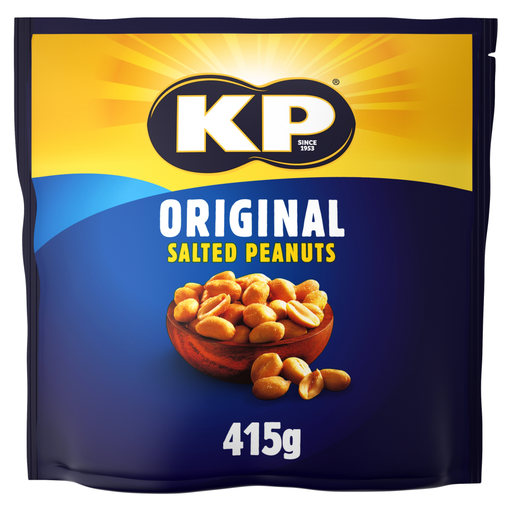
A whole-peanut option if peanuts fit your requirements. This is a salted product; check the pack for its full ingredients and any precautionary allergen statement.
 No image available
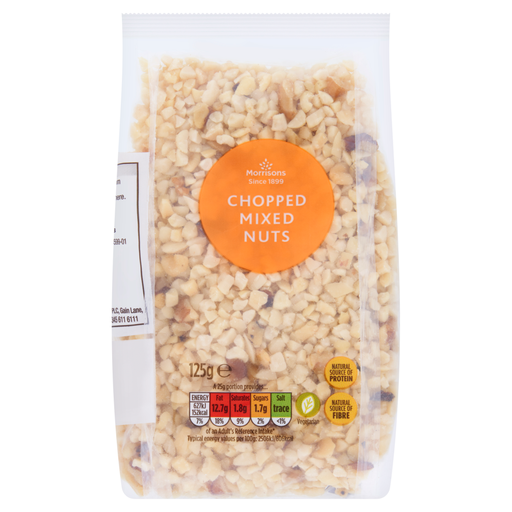
Chopped nuts may suit a snack eaten from a bowl or added to food rather than eaten by hand. Check which nuts are in the mix and read the current allergen information.
 No image available
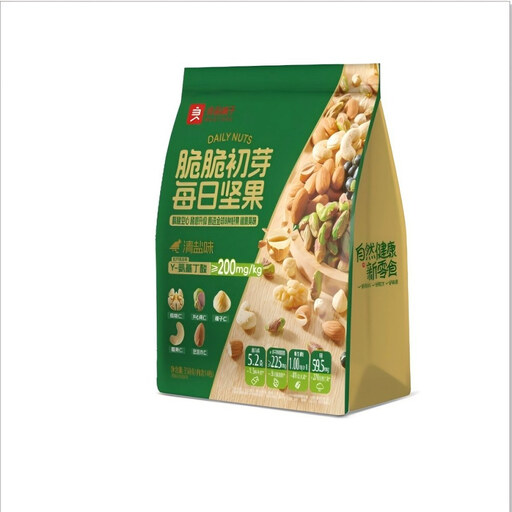
This mixed-nut option is described as light salted, not unsalted. Check the named nuts and other ingredients on the pack if you avoid a particular allergen.
 No image available
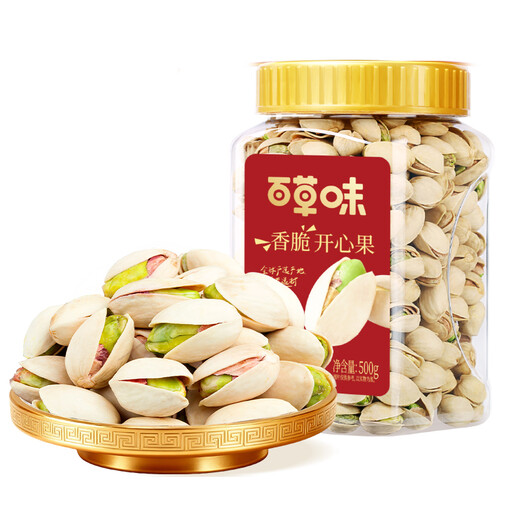
A pistachio option for shoppers who can eat pistachios. Check the current pack for seasoning, other ingredients and precautionary allergen information.
 No image available
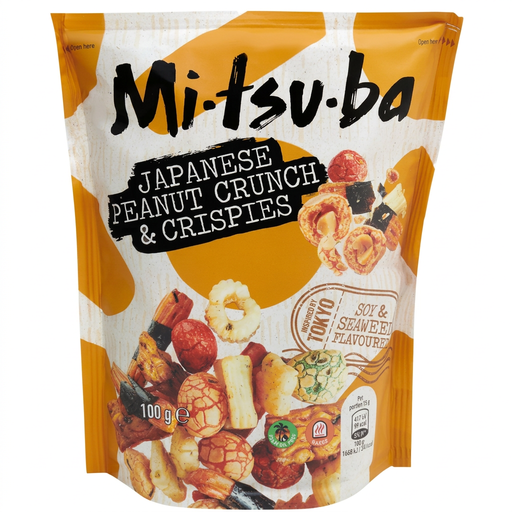
This peanut-and-crispies format offers a different afternoon-snack choice from plain nuts. Check the full ingredients and allergen statement if you avoid anything used in the crispies or flavouring.
Not if it contains a nut they must avoid. Check the named ingredients and precautionary statement for the particular product; the Food Standards Agency distinguishes tree nuts from peanuts.
No. A gluten-free claim concerns gluten, not nuts, peanuts, milk or other allergens. M&S’s gluten-free nut granola, for example, is labelled unsuitable for people with milk, peanut or nut allergy.
It is precautionary information about an allergen that could be unintentionally present, rather than an ingredient deliberately added to the food, as explained by the Food Standards Agency. Read it alongside the ingredients when checking a specific allergy requirement.
Use it to narrow your options, then check the current physical pack. KP Snacks advises double-checking pack ingredients before purchase, since the product information relevant to your choice is the information on the pack you receive.