What should you check first?
Filter out bars that do not meet your ingredient requirement before comparing portion-level protein or sweeteners. The Food Standards Agency advises checking the ingredients of prepacked food, where present allergens are emphasised, and explains that precautionary wording signals possible unintended allergen presence.
| Priority | What to check | Your needs |
|---|
| Named allergens |
Read the current pack’s ingredients, emphasised allergens and any ‘may contain’ statement. Check the exact flavour rather than assuming a whole range has the same recipe. |
I need to know whether this bar contains, or may contain, the ingredient I avoid before I consider its protein figure. |
| Vegan suitability |
Check the vegan statement separately from peanut, soya, milk, nut and gluten-related information. Tesco’s Misfits listing and Myprotein’s Peanut Butter bar information show why these checks differ. |
A vegan bar may suit my dietary preference, but I may also need it to meet a separate allergen requirement. |
| Gluten-free claim |
Look for a gluten-free statement on the exact product and still read its other allergen declarations. The Food Standards Agency describes ‘gluten-free’ as no more than 20 mg/kg gluten in the food as sold. |
If I need a gluten-free snack, I also want to check whether ingredients such as soya or nuts affect my choice. |
| Protein per bar |
Compare grams of protein per individual bar alongside bar weight; do not substitute a per-100g figure for the portion you plan to eat. Apply your ingredient checks first. |
For a single mid-morning snack, the amount in one bar matters more to me than a general ‘protein bar’ description. |
| Sweeteners |
Read the ingredients for sweeteners and note any on-pack excessive-consumption warning, particularly if you plan to eat more than one bar. |
I want to know what sweeteners the bar contains and whether its pack gives usage warnings. |
Brand and retailer references
These examples describe particular lines or listings, not an allergen guarantee across a brand’s full range. Check the label of the product you intend to eat.
Grenade
Grenade’s Carb Killa Cookie Dough listing is an example of a conventional protein bar rather than a general free-from choice.
- DDC Foods lists 20g protein and 1.9g sugar per 60g Cookie Dough bar.
- The reviewed recipe uses milk-derived ingredients. Check the exact flavour’s full allergen declaration and precautionary warnings.
PhD
The reviewed Smart Bar Salted Caramel is a conventional bar for shoppers who do not need to avoid its declared ingredients.
- Its 64g bar format lets shoppers compare protein on a per-bar basis.
- ASDA’s Salted Caramel listing declares milk and soya and says it may contain cereals containing gluten.
Myprotein
Myprotein’s Peanut Butter Protein Bar is a plant-based option, but vegan suitability does not answer every allergen question.
- The reviewed bar is described as suitable for vegans.
- Myprotein’s product information warns that it may contain milk, soya, nuts and wheat; its peanut ingredients also rule it out for someone avoiding peanuts.
Quest
Quest Nutrition describes its Quest Bar range using soy-free and gluten-free claims.
- Those brand-level claims can help identify a bar to examine more closely.
- Check the exact UK flavour’s ingredients, allergen statements and pack details before relying on either claim for a particular bar.
Barebells
Barebells has original and vegan bar lines; their ingredient requirements should be considered separately.
- Its White Chocolate Almond product provides a concrete original-range example for comparing per-bar details.
- Barebells’ White Chocolate Almond information declares milk, almonds and soya. A different line or flavour needs its own label check.
Tesco
Tesco is a retailer whose individual grocery listings can help with an initial comparison of protein bars and flapjacks.
- Its Misfits listing includes vegan suitability and precautionary allergen information; its Trek Cocoa Oat listing states gluten-free and vegan claims.
- Those statements apply to the named products. Read the current physical pack before eating, rather than carrying a listing’s claims across to another flavour.
Protein bars and flapjacks on Joybuy
These options include conventional protein bars and a Trek flapjack for a mid-morning snack. If you need a particular free-from claim, assess each listed flavour on its own pack rather than assuming products from the same brand share allergen information.
 No image available
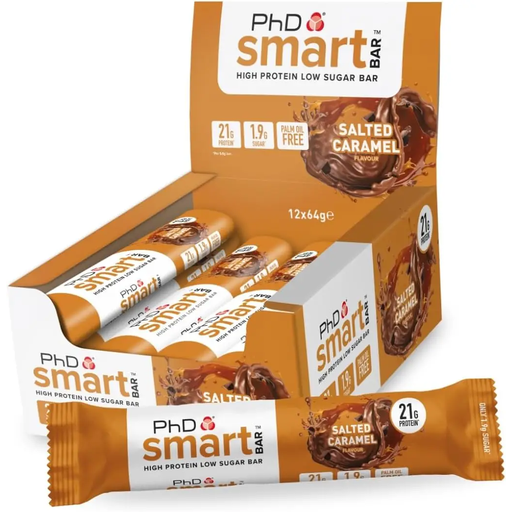
PhD Smart Protein Nutrition Bar Salted Caramel Flavour, 12 x 64g
For a mid-morning bar, check this Salted Caramel flavour’s pack before comparing its protein per bar. The reviewed Salted Caramel product information from ASDA declares milk and soya and says it may contain cereals containing gluten; do not treat it as a vegan or dairy-free option.
Joybuy
 No image available
Grenade Protein Bar Oreo Flavour, 4 x 60g
If you are considering this Oreo-flavoured bar as a snack, check its own ingredients and precautionary allergen statement before buying; details for Grenade’s Cookie Dough flavour do not establish this flavour’s suitability.
Joybuy
 No image available
PhD Smart Protein Nutrition Bar Chocolate Peanut Butter Flavour, 12 x 64g
For this Chocolate Peanut Butter flavour, read the current pack’s ingredient and ‘may contain’ statements, particularly if you avoid peanuts, milk or soya. The Salted Caramel flavour’s allergen declaration cannot stand in for this one.
Joybuy
 No image available
Grenade Soft Core Protein Bar Double Chocolate, 12 x 50g
This Double Chocolate bar comes in a pack of twelve 50g bars. For a free-from decision, check this Soft Core variant’s own ingredients, precautionary warnings and sweetener information rather than using another Grenade bar’s label.
Joybuy
 No image available
Trek Salted Caramel Protein Flapjacks, 3 x 50g
For a flapjack-style mid-morning snack, check the Salted Caramel pack for any gluten-free or vegan claim and its full allergen wording. Tesco’s information for Trek Cocoa Oat describes a different flavour.
Joybuy
Questions about free-from bars
Does a vegan protein bar also have to be nut-free or gluten-free?
No. Vegan suitability concerns animal-derived ingredients, not every allergen. Myprotein’s vegan Peanut Butter bar contains peanuts and may contain wheat and nuts, while Tesco’s vegan Misfits listing carries warnings for gluten-containing cereals, nuts and peanuts; check the exact pack against your requirement.
What should I read first if I avoid a food allergen?
Read the current pack’s ingredients and any ‘may contain’ statement for the allergen you avoid. The Food Standards Agency says allergens present in prepacked food are emphasised in the ingredients list and explains that precautionary wording communicates possible unintended presence.
What does ‘gluten-free’ tell me about a bar in the UK?
The Food Standards Agency describes the term as meaning no more than 20 mg/kg gluten in the food as sold. It does not answer whether the same bar contains, or may contain, another ingredient you need to avoid, so read the full label too.
Can I choose a bar using only its protein number?
Not if you have an ingredient restriction. First check the exact bar’s allergen information, then compare protein per bar among those that meet your requirement; the reviewed PhD Salted Caramel and Barebells White Chocolate Almond products, for example, contain milk and soya.
Why do some bars warn about eating too many?
The reviewed Misfits, PhD and Barebells product information includes warnings that excessive consumption of sweetener-containing products may have a laxative effect. Read the warning on the particular pack, especially if you plan to eat more than one bar.


