People avoiding both gluten and dairy
Look for product-specific gluten-free and dairy-free information on a portable bar. Check nuts, soya and precautionary statements separately: neither “vegan” nor “plant-based” answers every allergen question.


Choose a bar by the ingredient or allergen you need to avoid, then check the ingredients and precautionary statements for the exact flavour and pack. Tesco lists nakd. Protein Cocoa Hazelnut as gluten-free and dairy-free, but it contains peanuts and hazelnuts; other bars with more protein per serving may contain milk or other ingredients you need to avoid.
The useful starting point is your specific exclusion, not the broadest claim on the front of a bar.
Look for product-specific gluten-free and dairy-free information on a portable bar. Check nuts, soya and precautionary statements separately: neither “vegan” nor “plant-based” answers every allergen question.
If you want to compare protein per bar while excluding gluten or milk, check that particular requirement first. A gluten-free bar can still use milk protein, while a dairy-free bar may contain other allergens.
Use the current pack’s ingredients, highlighted allergens and precautionary statements for the exact flavour. GOV.UK distinguishes allergens used as ingredients from other information you may need when assessing a food.
Check dietary fit before comparing nutrition figures. Bars with similar front-of-pack wording can have different ingredient and allergen declarations.
| Priority | What to check | Your needs |
|---|---|---|
| Specific allergens | Read the exact flavour’s ingredients and highlighted allergens. Check any “may contain” statement separately from ingredients used in the bar. | I need to know whether the pack contains, excludes or warns about the particular allergen I avoid. |
| Free-from claims | Check gluten-free, dairy-free and vegan claims individually; one does not establish the others. Quest describes its gluten-free bars as containing dairy-based proteins, while Barebells says some vegan bars contain wheat protein. | A vegan label alone will not answer my gluten question, and a gluten-free label will not answer my milk question. |
| Per-bar nutrition | Compare the serving size and protein and sugars per whole bar. Check the ingredients for sweeteners or polyols if these matter to you; per-100g figures describe a different quantity. | For a tea break, I want to compare what I would get from one bar without setting aside my ingredient requirements. |
| Exact pack | Match the flavour and pack size to the listing, then read the current pack before eating. Tesco advises that ingredients and allergen information can change when foods are reformulated. | I cannot rely on a different flavour or an older listing to answer a question about the bar in my hand. |
Quest describes its gluten-free protein bars as using dairy-based proteins. Barebells says some vegan bars contain wheat protein.
Write down the ingredient you need to avoid, then check that requirement against the exact flavour’s ingredients and precautionary statement.
Tesco lists nakd. Protein Cocoa Hazelnut as gluten-free and dairy-free, but its ingredients include peanuts and hazelnuts; the listing also warns of possible soya and other nuts.
If you avoid peanuts or tree nuts, do not choose that bar on the strength of its dairy-free claim. Check a different product’s current pack against your requirements.
Tesco describes the nakd. Cocoa Hazelnut bar as a 45g serving with about 7g protein. The cited Grenade Cookie Dough bar has 20g protein per 60g bar, but contains milk and soya.
Compare protein and sugars per whole bar alongside serving size and allergens, rather than treating a larger protein figure as a reason to skip the ingredient check.
Tesco notes that reformulation can change ingredients, nutrition and allergen information.
Check the current product details when ordering and the physical pack before eating, particularly when an ingredient exclusion is essential.
These examples illustrate different label checks; a claim about one bar or range does not apply to every product bearing the same brand.
Tesco lists the Cocoa Hazelnut Protein Bar as a 45g vegan, gluten-free and dairy-free option.
Myprotein UK includes Vegan Carb Crusher Protein Bar in its dairy-free bar category.
Quest describes its protein-bar range as gluten-free and says it uses dairy-based proteins, including milk protein isolate.
DDC Foods lists 20g protein and 1.9g sugar per 60g Grenade Carb Killa Cookie Dough bar.
PhD lists 21–22g protein per 64g Smart Bar for the cited flavours.
Barebells offers several bar types whose ingredient requirements differ.
These bars and flapjacks offer different flavours and pack sizes for a morning tea break. Check each exact product’s current ingredients and allergen information before choosing it for a free-from requirement.
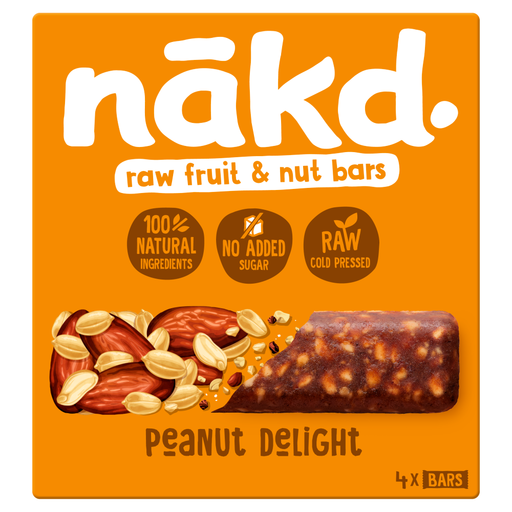 No image available
A four-bar pack to consider for individual tea breaks. Confirm that the pack is Peanut Delight and check its ingredients and allergen statements before relying on any free-from claim.
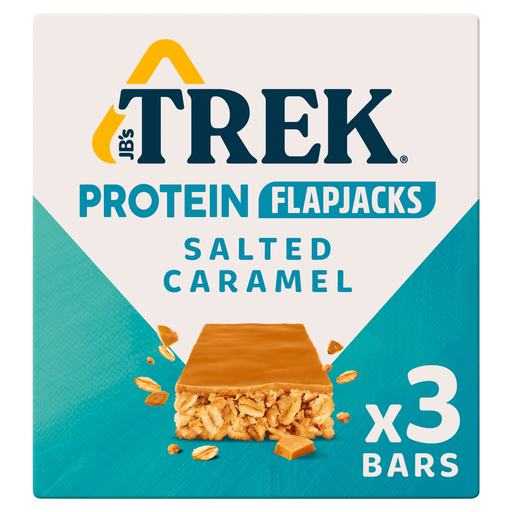 No image available
A three-flapjack pack for tea breaks. Check the exact pack’s gluten, milk, soya and precautionary allergen information against the ingredients you avoid.
 No image available
Four 40g bars for separate tea breaks. Check the current pack’s peanut and other allergen information, including whether its gluten and milk declarations meet your requirements.
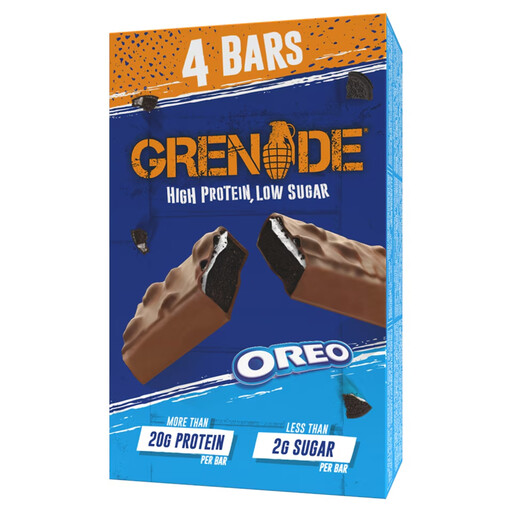 No image available
A four-bar pack for shoppers comparing 60g tea-break servings. Check this Oreo Flavour pack’s nutrition panel and full allergen declaration rather than applying figures or ingredients from another Grenade flavour.
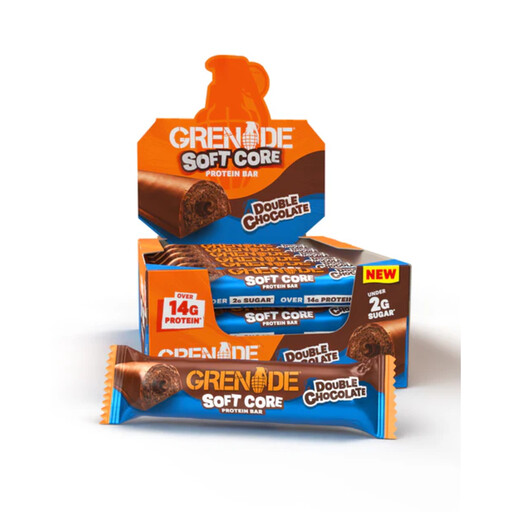 No image available
A 12-bar pack with 50g bars. For a free-from decision, read the Double Chocolate pack’s own ingredients, precautionary statements and per-bar nutrition rather than those of another Grenade product.
No. A vegan bar can contain gluten or nuts: Barebells says some vegan bars contain wheat protein, and Tesco lists peanuts and hazelnuts in the vegan nakd. Cocoa Hazelnut bar. Check the exact pack’s ingredients and precautionary statements.
Not necessarily. Quest describes its gluten-free protein bars as using dairy-based proteins, including milk protein isolate. Check milk ingredients separately if you need to avoid dairy.
Start with an explicit dairy-free claim for the exact product, then check its other ingredients. Tesco lists nakd. Cocoa Hazelnut as dairy-free but containing peanuts and hazelnuts; a dairy-free category, such as Myprotein’s, does not establish every flavour’s gluten, nut or soya status.
Choose for ingredient suitability first, then compare protein per whole bar. Tesco’s nakd. Cocoa Hazelnut listing gives about 7g protein per 45g bar, while the cited Grenade Cookie Dough bar gives 20g per 60g bar but contains milk and soya.