What matters when choosing a bar?
Start with the requirement that would rule a bar out, then compare serving information and packing practicalities among the remaining options.
| Priority | What to check | Your needs |
|---|
| Allergens and gluten |
Read the current flavour’s ingredients, emphasised allergens and relevant “may contain” wording. Check for a gluten-free claim if gluten avoidance is required. |
I need to know whether this individual bar conflicts with the allergen or gluten requirement I manage, not just whether its range is described as “free from”. |
| Vegan or dairy-free status |
Check the specific dietary claim and protein-source ingredients. PhD Smart Plant is labelled vegan and dairy-free but lists soya protein and peanut paste; Barebells Vegan Fudge Brownie contains wheat and soya. |
A vegan or dairy-free bar might meet my dietary preference while still containing an ingredient I need to avoid. |
| Serving information |
Compare protein and other nutrition figures on the same basis, such as per bar or per 100g. Note the bar size before comparing figures from different packs. |
If I am planning snacks for a day outdoors, I want to know what one bar provides rather than compare unlike serving sizes. |
| Storage and tolerance |
Follow the chosen pack’s storage directions. Check low-sugar bars for polyols and an excessive-consumption warning if you intend to take several. |
My bars may spend hours in a pack, and I would rather try an unfamiliar product before relying on it during a camping trip. |
Brand and product-line references
A brand name alone does not establish whether a particular flavour meets a free-from requirement.
Grenade
Grenade’s Salted Caramel bar is an example of a conventional protein bar, rather than a general free-from-allergens choice.
- Its product information identifies ingredients and precautionary allergens for that flavour.
- The Salted Caramel bar lists milk and soya and says it may contain gluten, peanut and nuts. Grenade also warns about excessive consumption of polyols.
PhD
PhD distinguishes its vegan, dairy-free Smart Plant line from conventional Smart Bars.
- PhD labels Smart Plant Salted Caramel vegan and dairy-free.
- That flavour lists soya protein and peanut paste. Conventional Smart Bars use a whey-protein centre, so the lines should not be treated as interchangeable for dairy avoidance.
Myprotein
Myprotein offers different bar formulas, making the individual product and flavour more useful than a range-wide assumption.
- Its Peanut Butter Protein Bar is described as suitable for vegans and vegetarians.
- That bar contains peanut ingredients and may contain milk, soya, nuts and wheat; Myprotein says it is unsuitable for peanut and nut allergy sufferers.
Barebells
Barebells Vegan Fudge Brownie is a plant-based option whose allergen information needs a separate check.
- The named flavour provides a vegan route for shoppers avoiding animal-derived ingredients.
- Barebells lists gluten, wheat and soya, with precautionary warnings for milk, peanuts, tree nuts and sesame.
Quest
Quest describes its protein-bar range as gluten-free, but a named UK pack still needs checking before purchase.
- Quest’s range information makes a gluten-free claim.
- Quest says the range uses dairy-based proteins and sugar alcohols. Check the current UK wrapper for the exact bar and all other relevant allergens.
Tesco
Tesco is a retailer whose Free From browsing categories can help narrow a search; it is not a protein-bar manufacturer.
- Its Free From area includes gluten-free and milk-free snack and bar filters.
- A category filter does not replace checking the selected product’s page and individual wrapper.
Joybuy protein-bar options
These protein bars and flapjacks are options to assess as camping snacks. Check the exact pack against your free-from requirement before choosing one; the products below do not all serve the same dietary need.
 No image available
Trek Salted Caramel Protein Flapjacks, 3 x 50g
For a camping snack with a gluten or soya requirement, check the claim and allergen statement on each flapjack’s current wrapper before packing it.
View on Joybuy
 No image available
Nature Valley Protein Peanut & Chocolate Bars, 4 x 40g
The peanut-and-chocolate flavour calls for particular care if peanuts matter to your group. Check the exact pack for any gluten-free claim and its complete allergen statement.
View on Joybuy
 No image available
Nature Valley Protein Salted Caramel Nut Bars, 4 x 40g
If you are considering this nut bar for a trip, read the individual pack for the named nuts, other allergens and any claim needed for your diet.
View on Joybuy
 No image available
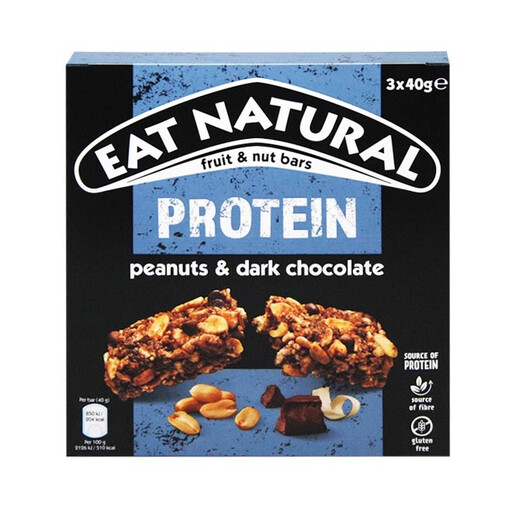
Eat Natural Protein-Packed Peanuts & Chocolate Bars, 3 x 40g
This peanuts-and-chocolate bar is worth considering only after its full ingredients and allergen wording have been checked against everyone’s requirements.
View on Joybuy
 No image available
Grenade Oreo Flavour Protein Bars, 4 x 60g
Check the Oreo-flavour wrapper for its own allergens and any polyol warning; the Salted Caramel information discussed above does not establish this flavour’s ingredients.
View on Joybuy
Questions about camping protein bars
Does vegan mean a protein bar is free from common allergens?
No. Vegan status does not establish that a bar is free from wheat, soya, peanuts or other allergens. Barebells Vegan Fudge Brownie contains wheat and soya and carries several precautionary warnings; PhD Smart Plant is labelled vegan and dairy-free but lists soya protein and peanut paste.
What does “may contain” mean on a UK bar wrapper?
It flags possible unintended presence of the named allergen. The Food Standards Agency describes precautionary allergen labelling in those terms, so check the current wrapper against the advice you follow for managing your allergy, even if the allergen is not listed as an ingredient.
Can a retailer’s Free From filter replace checking the bar?
No. Tesco’s Free From filters can help you find products to consider, but the selected flavour’s ingredients and allergen statement are the checks that matter, particularly when buying a multipack.
How should I store protein bars while camping?
Follow the instructions for the particular bar. Myprotein’s Speculoos Layered Bar, for example, specifies a cool, dry place away from direct sunlight; check the wrapper of the flavour you actually pack.
Is a mixed selection box suitable for a group with allergies?
Only if every included flavour has been checked for the relevant requirements. Myprotein and Grenade direct shoppers to individual products or wrappers for selection-box information, so do not assume that one suitable bar makes the whole box suitable for everyone.


