What matters when choosing a gym-bag bar?
Settle the ingredient and allergen requirements for the exact flavour before comparing its nutrition panel or pack size.
| Priority | What to check | Your needs |
|---|
| Exact allergen |
Read the ingredients, highlighted allergens and any “may contain” wording on the specific flavour and pack. Match each claim to the allergen you must avoid. |
I need the label to address my particular allergen, not just say “vegan”. In a December 2023 Ipsos UK survey for the Food Standards Agency, 53% of respondents with food hypersensitivity to animal-origin allergens and 50% of regular shoppers for someone with those hypersensitivities knew before the survey that cross-contamination could make vegan products unsuitable. The survey covered adults aged 16–75 in England, Wales and Northern Ireland; these are awareness figures, not protein-bar buying rates. |
| Dietary claim |
Check vegan, dairy-free and gluten-free claims separately. Look for wheat, soya, peanut and nut ingredients even when a bar meets another dietary requirement. |
A bar without animal-derived ingredients might suit my diet, but I may also need to avoid a different named allergen. |
| Protein and serving |
Compare declared protein per bar, not just a claim for the product range. Check the bar’s serving size and nutrition panel alongside its ingredient list. |
I want to know what one bar contributes when I put it in my gym bag, after ruling out products I cannot use. |
| Storage and pack |
Follow the pack’s storage directions and check that each wrapper is intact. For a mixed pack, read the information for every flavour. |
If I carry bars around during the day, the storage instructions and individual wrappers matter as much as the outer box. |
| Repeat purchases |
Compare pack sizes only among bars whose exact labels meet your requirements. Recheck the flavour information before buying a larger pack. |
I would rather confirm that every bar is suitable before committing to a multipack. |
What do these brands’ product lines offer?
Brand names are starting points for checking individual products, not a guarantee that every flavour meets the same free-from requirement.
Grenade
A protein-bar range to assess flavour by flavour when gluten avoidance matters.
- Grenade markets its bars as high-protein, low-sugar snacks.
- Grenade says its OREO Protein Bar and OREO White Protein Bar are not gluten-free; its FAQ also describes wheat handling at the factory for other products. Check the exact pack rather than treating the range as gluten-free.
PhD
PhD describes Smart Bar Plant as a vegan, dairy-free and gluten-free option.
- The PhD Smart Bar Plant listing states 23 g protein per 64 g Choc Coconut & Cashew bar.
- Its listed ingredients include soya, almond and peanut components. The cited listing was for the EU market, so check the current UK pack for the exact flavour.
Myprotein
A UK vegan protein-bar range with product-specific allergen information.
- Myprotein’s UK Vegan Carb Crusher page states 16 g protein per 60 g bar for its cited product.
- That vegan bar lists wheat and soya ingredients, may contain milk, peanuts and nuts, and is described by Myprotein as unsuitable for peanut and nut allergy sufferers.
Quest
Quest describes its protein-bar range as gluten-free.
- Quest states that its protein bars are gluten-free.
- Quest says its standard bars use dairy-based proteins. Its cited product information is US-facing, so check the exact UK pack before choosing a flavour.
Barebells
Original, soft and vegan bar lines have different ingredients to check.
- Barebells bars include products listed by UK grocery retailers.
- Barebells says all its bars contain nuts or may contain traces of nuts. It also says some newer vegan bars contain wheat protein and gluten.
Tesco
A retailer where shoppers can compare listed protein-bar brands, pack sizes and dietary filters.
- Tesco’s protein-bar category includes vegan-filtered products and a Barebells Soft Protein Bar listing.
- A retailer’s dietary filter does not replace the exact product label, and the products offered can vary.
Protein bars and flapjacks to compare on Joybuy
These bars and flapjacks offer pack formats for a gym bag. Compare their exact flavour labels before relying on a gluten-free, dairy-free or vegan requirement; the product names and pack sizes alone do not establish allergen suitability.
 No image available
Nature Valley Protein Peanut & Chocolate Bar, 4 x 40 g
The four-bar pack gives you individual bars to put in a gym bag. Check the exact wrapper for gluten-free wording; milk, peanuts and soya are identified among this product’s allergen limitations, with other nuts also flagged as a possible presence.
View on Joybuy
 No image available
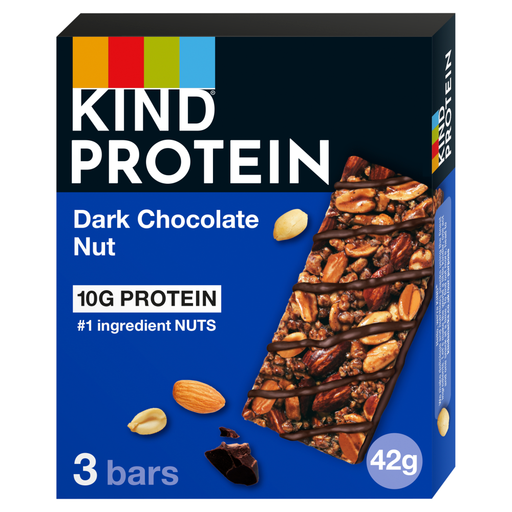
KIND Protein Dark Chocolate Nut Bars, 3 x 42 g
This three-bar pack is an option to compare if you want a nut bar for your gym bag. The product information identifies peanuts, almonds and soya as limitations and lists honey, so it is not a vegan choice; check the pack before relying on dairy-free or gluten-free suitability.
View on Joybuy
 No image available
Nature Valley Protein Salted Caramel Nut Bar, 4 x 40 g
The four-bar pack lets you carry a bar separately from the box. Check the exact pack for its gluten-free claim and note the identified milk, peanut, almond and soya allergens before choosing it for a free-from requirement.
View on Joybuy
 No image available
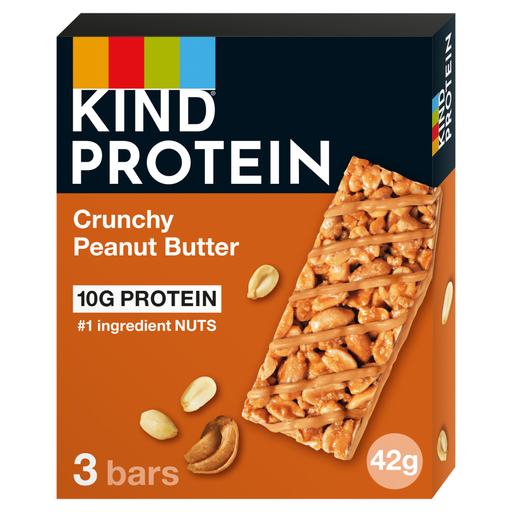
KIND Protein Crunchy Peanut Butter, 3 x 42 g
This three-bar peanut-butter pack can be compared with other gym-bag snacks by serving size. Its identified limitations include peanuts and soya, with possible tree-nut presence; the listed honey rules it out for a vegan choice. Confirm any dairy-free or gluten-free requirement on the pack.
View on Joybuy
 No image available
Trek Salted Caramel Protein Flapjacks, 3 x 50 g
These three 50 g flapjacks are an alternative bar-shaped snack for a gym bag. Check the exact pack for the vegan and gluten-free claims you need; soya is identified as an allergen in the product information.
View on Joybuy
Questions about free-from gym-bag snacks
Does a vegan protein bar automatically suit someone avoiding milk?
No. The Food Standards Agency cautions that vegan labelling is not a substitute for allergen information because of possible cross-contamination. Check the ingredients and any “may contain” statement on the exact bar; Myprotein’s vegan Vegan Carb Crusher, for example, says it may contain milk.
Can a dairy-free bar contain gluten, peanuts, nuts or soya?
Yes. PhD describes Smart Bar Plant as dairy-free and gluten-free, but its listed ingredients include soya, almond and peanut components. Myprotein’s Vegan Carb Crusher lists wheat and soya ingredients. Check each named allergen separately on the flavour you intend to buy.
Are all Grenade protein bars gluten-free?
No. Grenade says its OREO Protein Bar and OREO White Protein Bar are not gluten-free. Its FAQ also says other products are made in a factory handling wheat and cannot be certified gluten-free, so check the individual flavour and pack.
How should I keep a protein bar in a gym bag?
Follow that product’s storage directions and keep its wrapper intact. Myprotein, for example, directs shoppers to store Vegan Carb Crusher in a cool, dry place away from direct sunlight; a gym bag left somewhere warm may not meet those directions.
Is a protein bar the same as a meal after the gym?
No—not simply because it contains protein. Myprotein describes Vegan Carb Crusher as a snack to use alongside a varied diet. Read a bar’s serving size and nutrition panel if you are deciding between a portable snack and a meal.


