What matters when choosing a bar?
Start with the allergen that determines whether you can take the bar. Then check the exact flavour and consider how it fits into the food you are packing for the route.
| Priority | What to check | Your needs |
|---|
| Named allergen |
Look for a free-from claim naming the allergen you avoid. Read the ingredients and any “may contain” statement on the current wrapper; the Food Standards Agency says precautionary wording signals possible unintended presence. |
I need to know whether this particular bar fits my allergen requirements, not just whether its front label says “vegan” or “free-from”. |
| Plant-based ingredients |
Check the declared protein and cereal ingredients as well as the vegan claim. Barebells’ Vegan Fudge Brownie, for example, lists wheat and soya and carries further precautionary warnings. |
A plant-based bar only works for me if its other ingredients and warnings also fit the allergens I avoid. |
| Food for the route |
Consider the outing’s type and duration, then compare the bar’s serving information with the other food you plan to carry. The British Mountaineering Council says hill-day snack needs vary with the activity and its length. |
On a longer walk, I want enough suitable food in my pack rather than relying on one protein bar. |
| Familiarity |
Read the serving information and any sweetener warnings. If the bar is new to you, try it before making it a main snack for a remote route. |
I would rather pack food I already know I can eat comfortably when facilities are limited. |
Brand and retailer references
These ranges illustrate why a dietary label and a named-allergen claim answer different questions; suitability still depends on the individual product.
Myprotein
Myprotein offers vegan protein bars, including Vegan Carb Crusher.
- The vegan range gives plant-based shoppers a product line to examine.
- Myprotein’s Vegan Carb Crusher allergen statement says it may contain milk, peanuts and nuts, and warns against its use by people with peanut or nut allergies.
Barebells
Barebells has a Vegan Fudge Brownie protein bar alongside its other bars.
- Its product declaration names ingredients and precautionary allergens to check against a specific requirement.
- The Vegan Fudge Brownie lists gluten-containing cereals, wheat and soya, and may contain milk, peanuts, tree nuts and sesame.
PhD
PhD markets Smart Plant as a plant-based protein-bar range.
- PhD states 20g protein per bar for Smart Plant; its stated sugar figure varies by flavour.
- A plant-based description is not a substitute for the allergen declaration on the particular UK pack and flavour.
Grenade
Grenade offers protein bars in a mixed selection-box format.
- A selection box offers several flavours to assess individually.
- Grenade’s selection-box warning names milk, soya, wheat and peanuts, among other possible allergen and trace-allergen risks; flavours can vary.
Quest
Quest lists a gluten-free protein-bar collection.
- The collection may be relevant when gluten is the named requirement and dairy is acceptable.
- Quest says its OG protein bars use dairy-based proteins. Check the individual UK-market wrapper before choosing a flavour.
Tesco
Tesco’s protein-bar category includes products with differing dietary descriptions.
- Its listings include a KIND bar described as gluten-free.
- A category listing does not establish whether an individual bar is free from any other allergen you need to avoid.
Protein bars and snacks on Joybuy
These are portable protein-bar and flapjack options to assess for a hiking pack. Some product notes point to gluten-free claims, but confirm those claims and every relevant allergen declaration on the current wrapper before choosing a bar for a named-allergen requirement.
 Image unavailable
Trek Salted Caramel Protein Flapjacks, 3 × 50g
For a gluten-avoidance hike, confirm the gluten-free claim on the current pack. Check its soya declaration and any precautionary allergen wording against your other requirements.
 Image unavailable
Nature Valley Protein Peanut & Chocolate Bars, 4 × 40g
The peanut-labelled flavour is not a choice for someone avoiding peanuts. If checking it for gluten avoidance, confirm the claim and review the wrapper for milk, soya and other allergen warnings.
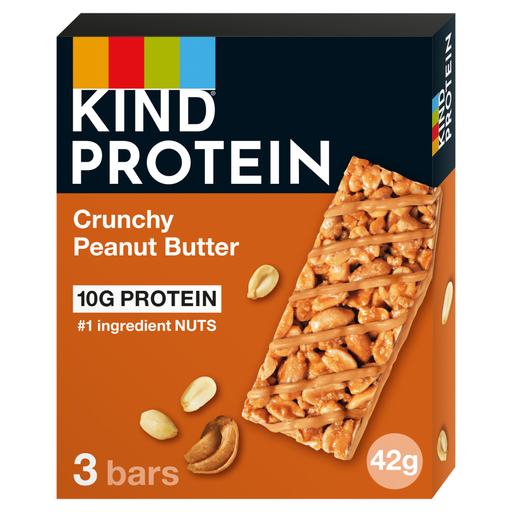 Image unavailable
KIND Protein Crunchy Peanut Butter Bars, 3 × 42g
This peanut-butter variant does not fit a peanut-avoidance requirement. Check the individual wrapper for its soya declaration and any tree-nut precautionary wording before considering it for a different dietary need.
 Image unavailable
Nature Valley Protein Salted Caramel Nut Bars, 4 × 40g
If considering this nut-flavoured bar for gluten avoidance, verify the current gluten-free claim. Check the wrapper’s almond, peanut, milk and soya declarations against every allergen you avoid.
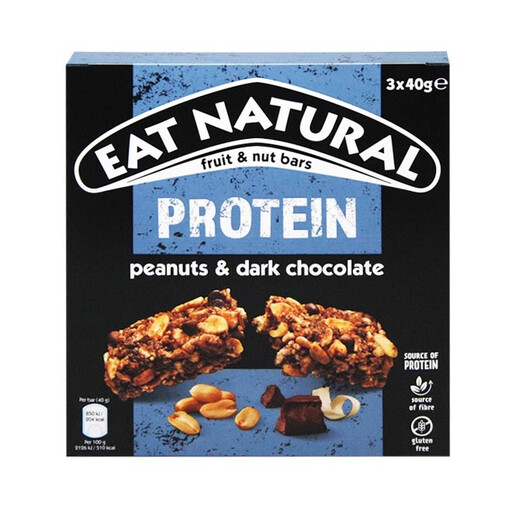 Image unavailable
Eat Natural Protein-Packed Peanuts & Chocolate Bars, 3 × 40g
The named peanut ingredient rules this variant out for peanut avoidance. For other requirements, check the current wrapper’s nut, milk and soya declarations rather than treating the protein-bar description as a free-from claim.
Frequently asked questions
Does “vegan” mean a protein bar is suitable for every allergy?
No. A vegan description does not replace allergen information. Barebells’ Vegan Fudge Brownie, for example, lists wheat and soya and warns that it may contain milk, peanuts, tree nuts and sesame; check the exact bar against your requirements.
What does “free-from milk” tell me about other allergens?
It tells you about milk, not every other allergen. The Food Standards Agency says a free-from food safety label guarantees absence of the specified allergen, so you still need to check the wrapper for gluten-containing cereals, nuts, soya or sesame if those matter to you.
Can I ignore “may contain” if an allergen is absent from the ingredients?
No. Food Standards Agency research explains that precautionary allergen labelling communicates possible unintended allergen presence. Read it on the individual wrapper and follow the advice that applies to your own allergen-management needs.
Is one protein bar enough food for a long hike?
Do not assume so. The British Mountaineering Council says the type and duration of a hill day affect snack choice and quantity. Plan the other food and drink you will take for the route as well as choosing a bar that fits your dietary requirements.
Where should I check a packaged bar’s allergens?
Check the current wrapper’s ingredients, allergen declaration and any precautionary wording, particularly for a new flavour or a mixed pack. GOV.UK guidance says food businesses must tell customers when listed allergens are present as ingredients.


