Shoppers with a food allergy
Check each flavour’s ingredients and precautionary allergen wording against the allergens you avoid. A brand name or free-from category cannot establish that every bar in a range is suitable.


Choose a lunch-on-the-go protein bar by the exact ingredient or allergen you need to avoid, not by a broad ‘free-from’ or ‘vegan’ description. Check the current pack’s ingredients and ‘may contain’ wording; look for an explicit gluten-free claim if you need to avoid gluten, and check milk ingredients separately if you need a dairy-free bar. A bar can be one part of lunch, but its protein content alone does not establish that it meets your whole-lunch needs.
Check each flavour’s ingredients and precautionary allergen wording against the allergens you avoid. A brand name or free-from category cannot establish that every bar in a range is suitable.
Look for an explicit gluten-free claim, including on oat-based bars. Coeliac UK notes that standard oats can come into contact with wheat, barley or rye during production.
Check for milk-derived ingredients when dairy-free status matters. A vegan description addresses animal-derived ingredients, but does not tell you whether a bar contains soya, peanuts or other allergens.
Start with your exclusion, then check the exact flavour and pack you intend to eat. Once those requirements are met, compare serving information with the rest of your lunch.
| Priority | What to check | Your needs |
|---|---|---|
| Named allergens | Read the current ingredient list for the allergens you avoid. Check ‘may contain’ wording separately: the Food Standards Agency explains that it signals possible unintended allergen presence, rather than a listed ingredient. | When I take lunch away from home, I need to know whether this particular flavour fits my allergen requirements before I eat it. |
| Gluten-free status | Look for an explicit gluten-free label, especially on bars containing oats or other cereals. Coeliac UK notes that standard oats can come into contact with gluten-containing cereals; ‘oat-based’ alone is not a gluten-free claim. | I need a clear gluten-free claim rather than assuming that a plant-based or oat bar meets my requirement. |
| Dairy-free and vegan claims | Check milk-derived ingredients and any dairy-free claim for the exact flavour. Read the remaining ingredients and allergen information independently of a vegan claim. | Milk avoidance matters to me, but I may also need to screen for soya, peanuts or other ingredients. |
| Role in lunch | Compare the per-bar serving size, protein, energy and fibre on the nutrition panel. Check ingredients and any sweetener information against your preferences. | Is this a snack between meals, or one component of my lunch? Protein on its own does not answer what else I want to pack. |
Grenade’s Peanut Nutter lists peanuts and other allergens, while its Chocolate Chip Salted Caramel bar carries precautionary warnings for gluten, peanut and nuts. A different flavour can require a different decision.
Read the ingredients and ‘may contain’ statement on the current pack whenever you change flavour or buy a new batch.
Plant-based recipes can still contain soya, peanuts or wheat. A vegan claim does not establish suitability for every food allergy.
Check each ingredient you need to avoid separately, even when the bar is labelled vegan.
Coeliac UK notes that standard oats can come into contact with wheat, barley or rye. The presence of oats does not establish a bar’s gluten-free status.
If you need to avoid gluten, choose a bar with an explicit gluten-free claim and check the current pack.
A protein figure describes one part of a bar’s nutrition. It does not establish whether the bar alone meets what you want from lunch.
Check the per-bar nutrition panel and pack other suitable lunch components if the bar is only one part of your meal.
Use these examples to identify claims and ingredients worth checking, not as a guarantee that every flavour in a range meets the same exclusion.
Grenade offers individually portioned protein bars, including flavours listed by Tesco.
PhD describes its Smart Bar Plant range as suitable for vegans.
Myprotein has a UK dairy-free protein-bar category alongside other bar ranges.
Quest describes its protein-bar collection as gluten-free.
Barebells makes several types of protein bar with differing ingredients.
Tesco is a retailer, not the manufacturer of the protein-bar brands in its listings.
These bars offer portable options to assess for lunch on the go. Check the current pack against your particular exclusions: a gluten-free requirement, a milk exclusion and a nut allergy call for different label checks.
 No image available
For a lunch-bag snack when avoiding gluten, confirm the gluten-free wording on the current pack. Check its allergen information for peanuts, almonds and soya, as well as a ‘may contain milk’ warning.
 No image available
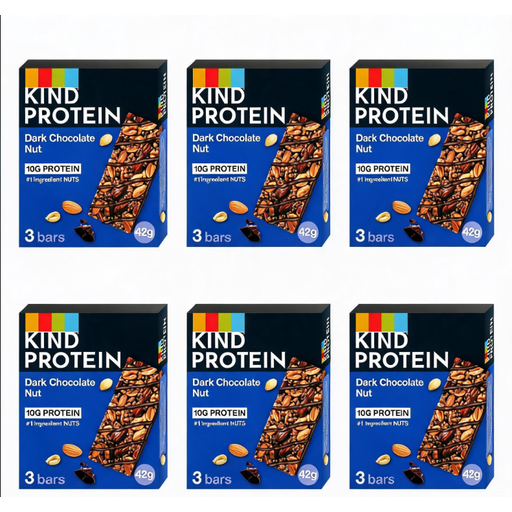
This multipack is a portable option to assess if you need a gluten-free bar. Check the pack’s claim and screen its ingredients for milk, peanuts, soya and almonds if any of those are exclusions for you.
 No image available
If gluten avoidance is your priority, check the current pack for an explicit gluten-free claim. The peanut flavour is not a choice to make without checking the full allergen information, including milk, soya and other nut warnings.
 No image available
The flapjack format gives you another individually portioned lunch component. Check its oat and gluten-free labelling, and confirm dairy-free or vegan status on the current pack if either matters to you; screen for soya separately.
 No image available
This is an option to assess if you do not need a free-from exclusion. Check the current pack for milk, soya and wheat or gluten before adding it to lunch; do not treat its protein-bar description as an allergen claim.
No. A vegan description concerns animal-derived ingredients; it does not establish that a bar is free from peanuts, soya or other allergens. If you avoid milk, check the exact product’s dairy-free claim and ingredients, then assess any other exclusions separately.
It is precautionary allergen labelling for an allergen that could be unintentionally present, as the Food Standards Agency explains. It differs from listing that allergen as an ingredient, but still matters when deciding whether the bar fits your requirements.
Choose an oat-based bar for gluten avoidance only when the current product is explicitly labelled gluten-free and fits your other requirements. Coeliac UK notes that standard oats can come into contact with wheat, barley or rye, so ‘made with oats’ is not enough.
Use the listing to identify a product, then read the pack you receive before eating it. Tesco warns that formulations, ingredients and allergen information can change, which makes the current physical label especially important if you have changed flavour or bought a new batch.