Who needs which kind of snack?
The useful starting point is your dietary requirement, not the largest protein figure on the front of a wrapper.
Revision snackers avoiding dairy or choosing vegan food
A dairy-free or vegan range can help narrow a portable snack search. If milk allergy is the reason, check the exact bar’s ingredients and precautionary statement too: the Food Standards Agency says vegan labelling is not a substitute for allergen labelling.
Students avoiding one or more allergens
Screen each ingredient and any cross-contact warning against the allergens you avoid. A snack marketed as vegan or gluten-free may still contain other allergens; a broad-allergen-free snack is another route to investigate when several exclusions matter.
Shoppers without relevant allergen restrictions
Compare protein per bar, serving size and flavour for a study-break snack. Read any guidance about excessive consumption, particularly on bars carrying a laxative-effect warning.
What should you check before choosing?
Start with the exact allergen requirement and the current pack. Once a bar passes that check, compare its nutrition per serving and how you plan to use it during revision.
| Priority |
What to check |
Your needs |
| Ingredient fit |
Read the exact flavour’s ingredients and emphasised allergens. Check each allergen you avoid rather than relying on vegan or gluten-free wording. |
I need a snack that fits my particular exclusions, whether that means avoiding milk, gluten, peanuts, soya or a combination. |
| Cross-contact |
Read any “may contain” statement separately from the ingredients. The Food Standards Agency explains that precautionary allergen labelling communicates possible unintended allergen presence. |
If cross-contact matters for my allergy, I need to assess that warning on the exact pack, not just the range name. |
| Protein per serving |
Compare the stated grams per bar and its serving size, not figures based on different quantities. Free Soul states more than 15 g for its vegan bars; Barebells states 15 g for its Vegan Fudge Brownie. |
I want to know what this particular snack contributes, after checking that its ingredients fit my requirements. |
| Snack format |
Check the pack size and whether each portion is individually wrapped. Distinguish an oat bar or flapjack from a product sold as a protein bar. |
For a revision break away from home, I want a portion I can carry and a clear idea of what is in it. |
| Serving warnings |
Read sweetener and polyol warnings and follow the pack’s serving guidance. Grenade’s Peanut Nutter and PhD’s Smart Bar carry warnings about a possible laxative effect from excessive consumption. |
If I might eat more than one bar during a long session, I want to check the warning before packing several. |
Brand and product-line references
These examples show why a brand’s overall range is less useful than the details for a particular product and flavour.
Myprotein
Myprotein’s UK dairy-free protein-bar category lists Vegan Carb Crusher Protein Bar.
- The category is a starting point for shoppers looking for dairy-free options.
- Check the chosen flavour’s current ingredients and allergen statements before deciding whether it meets a specific allergy requirement.
Free Soul
Free Soul describes its vegan protein bars as gluten-free and states that they provide more than 15 g of protein.
- Its stated vegan and gluten-free positioning may help shoppers narrow their options.
- The listed ingredients include soya protein, and the range includes a peanut flavour; check the selected flavour and its precautionary statement.
Barebells
Barebells lists 15 g of protein for its Vegan Fudge Brownie bar.
- The specific vegan bar has a stated per-bar protein figure.
- Barebells lists gluten-containing cereals, soya and wheat as ingredients, with possible traces of milk, peanuts, tree nuts and sesame.
Grenade
Grenade’s Peanut Nutter is a conventional protein bar with peanut flavouring.
- Its product information provides named ingredient allergens and a precautionary list for this flavour.
- Peanut Nutter contains peanuts, milk and soya, may contain further allergens and carries an excessive-consumption laxative-effect warning.
PhD
PhD describes its Smart Bar as having a whey-protein centre and lists 21 g of protein per 64 g for Choc Brownie.
- The stated serving size allows a per-bar protein comparison for that flavour.
- Whey is milk-derived, so this is not a dairy-free route; PhD also warns about a possible laxative effect from excessive consumption.
Joybuy snack options
These options include protein bars, a protein flapjack and an oat-bar snack that could be carried for a revision break. Their product names do not establish whether they meet a particular free-from requirement; check the exact pack before choosing.
 No image available
Nature Valley Protein Salted Caramel Nut Bar 4 × 40 g
A four-bar pack for portioning out study-break snacks. The name identifies a nut variety; check the exact pack for its ingredients, allergen statements and protein per bar.
View on Joybuy
 No image available
Trek Salted Caramel Protein Flapjacks 3 × 50 g
A protein flapjack option if you prefer that format to a bar. Check the selected pack’s ingredients and precautionary statement for any dairy, gluten, soya or nut requirement.
View on Joybuy
 No image available
Nature Valley Protein Peanut & Chocolate Bar 4 × 40 g
Consider this named peanut variety only after checking that its current ingredient and precautionary allergen information fits your needs. Compare the nutrition per 40 g bar with other suitable options.
View on Joybuy
 No image available
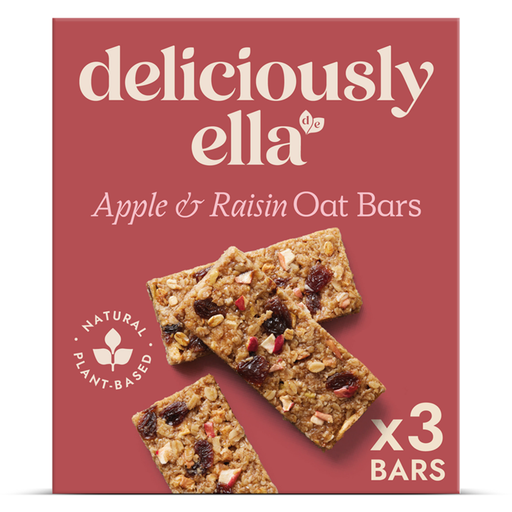
Deliciously Ella Apple, Raisin & Cinnamon Oat Bars 3 × 50 g
An oat-bar alternative for a revision break, rather than a product named as a protein bar. Check the pack’s allergen statements and protein per bar before comparing it with protein-bar options.
View on Joybuy
 No image available
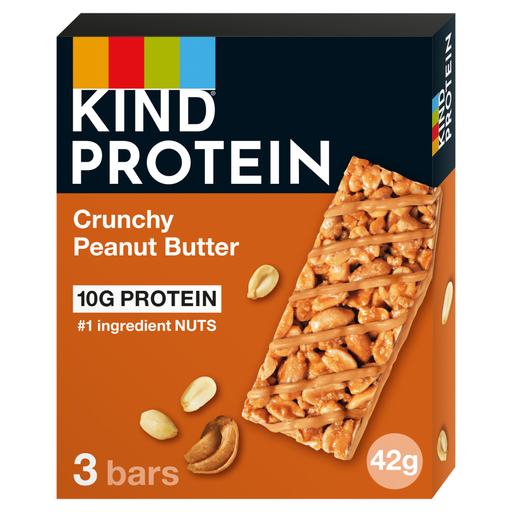
KIND Protein Crunchy Peanut Butter 3 × 42 g
A peanut-butter variety sold in a three-bar pack. Check its current ingredient and precautionary statements before treating it as suitable for any free-from requirement.
View on Joybuy
Questions about free-from bars
Does “vegan” mean a bar is suitable for someone with a milk allergy?
No. The Food Standards Agency says vegan labelling alone should not be used in place of allergen labelling because cross-contact risks can remain. Check the ingredients and any precautionary statement on the exact flavour and pack.
What should I read on a packaged protein bar?
Read the full ingredients list, the allergens emphasised within it and any “may contain” statement. Food Standards Agency guidance says prepacked food in the UK must have an ingredients list, with allergens present in the product emphasised each time they appear.
Does gluten-free also mean nut-free?
No. They are separate requirements, and Tesco’s UK protein-bar listings include nut varieties. Check the specific bar’s ingredient and precautionary allergen information if you need to avoid nuts.
What if I need to avoid several allergens?
Look for a snack whose stated exclusions match every allergen you need to avoid, then check its current pack. Creative Nature says its products are free from the UK’s 14 regulated allergens and have no “may contain” statements; do not assume its snack bars provide the same protein per serving as a conventional protein bar.
Should I pack several protein bars for one revision session?
Check each product’s serving guidance first. Grenade warns that excessive consumption of its Peanut Nutter bar may have a laxative effect, and PhD gives a similar warning for Smart Bar.


