What matters when choosing a snack?
For routine snack time, consider an age-appropriate food first; then check the exact product against the child’s allergies and ability to eat its texture.
| Priority | What to check | Your needs |
|---|
| Age and intended use |
Read the product’s age guidance. Do not use a bar whose warning excludes the child’s age: Grenade labels its Chocolate Chip Salted Caramel bar unsuitable for under-14s. For everyday snacks, compare the choice with NHS examples for young children. |
I need something intended for a young child, not a sports-nutrition product chosen because it advertises protein or reduced sugar. |
| Specific allergens |
Check the current ingredients, declared allergens and precautionary statements for the exact variant. The Food Standards Agency explains that ‘may contain’ signals possible unintended allergen presence; a free-from category or vegan label does not replace this check. |
If my child has a diagnosed allergy, I need to know whether this particular food contains—or may contain—the relevant allergen. NHS advises avoiding a food when that is uncertain. |
| Full formulation |
Read beyond protein and sugar claims for sweeteners, polyols and pack warnings. The reviewed Grenade, Myprotein, PhD and Barebells bar pages warn that excessive consumption may have a laxative effect; check the individual flavour rather than assuming a whole range is identical. |
I want to understand what is in the snack and any warning attached to it, rather than choosing from two figures on the front of the pack. |
| Format and texture |
Check whether the food’s texture and serving format suit the child’s eating ability, and keep detachable packaging parts out of reach. Food Standards Agency guidance identifies food size and choking hazards as considerations for young children. |
A label showing an age range is useful, but I also need a format my child can manage while seated and supervised. |
Brand and retailer references
These examples show why a bar’s positioning or a retailer’s free-from filter is not a substitute for checking the particular food intended for a toddler.
Grenade
Grenade markets protein bars for sports-nutrition use.
- Its Chocolate Chip Salted Caramel page lists 20g protein and 1.4g sugar per bar.
- The same Grenade page says the bar is not suitable for children under 14 and lists milk and soy ingredients alongside possible allergen traces.
Myprotein
Myprotein presents its Layered Protein Bar as a convenient protein snack.
- The Triple Chocolate Fudge version lists 20g protein and 6.6g fibre per 60g serving.
- Myprotein says nutrition can vary by flavour and warns that excessive consumption may produce laxative effects; those figures are not toddler-serving guidance.
PhD
PhD describes Smart Bar as a convenient high-protein snack for men and women.
- Its Choc Brownie panel lists 21g protein per 64g bar.
- That adult-oriented positioning does not establish suitability for a toddler; the PhD page also warns about laxative effects from excessive consumption.
Barebells
Barebells has a vegan protein-bar range as well as other protein snacks.
- The reviewed Vegan Fudge Brownie bar lists 15g protein per 55g bar.
- Barebells declares wheat and soy for that variant and warns it may contain milk, peanuts, tree nuts and sesame. Vegan does not mean free from those allergens.
Quest
Quest markets protein bars, including the reviewed S’Mores variant.
- Quest’s US-facing S’Mores page lists 21g protein and 12g fibre per 60g serving.
- That page declares milk, almonds and soy, plus processing on equipment handling peanuts and other tree nuts. Check the label of any product actually being considered.
Tesco
Tesco’s Free From department includes snack and protein bars, with filters including gluten-free and milk-free.
- The filters can help narrow a search to a relevant dietary category.
- A category or filter does not establish toddler suitability or exclude every allergen; check the exact product and its physical pack.
Toddler snack options on Joybuy
These are baby and young-child snack or food options for considering instead of an adult protein bar. Their stated ages and formats differ, so check the current pack, the child’s allergies and whether each food suits the child’s eating ability.
 No image available
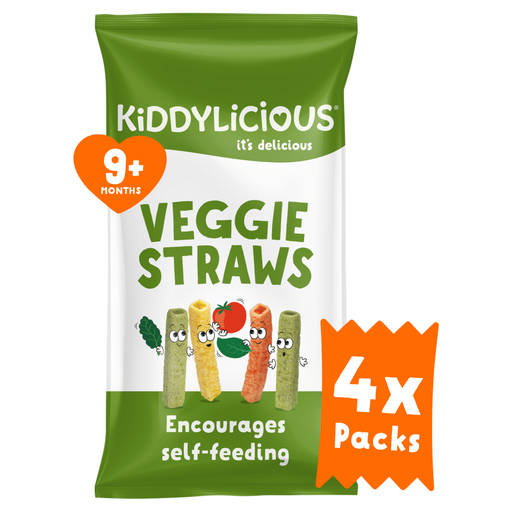
Kiddylicious Veggie Straws, 9+ months, 4 x 12g
A straw-format snack labelled for ages 9+ months. Check the current pack for ingredients and precautionary allergen statements before offering it to a child with an allergy, and supervise eating.
 No image available
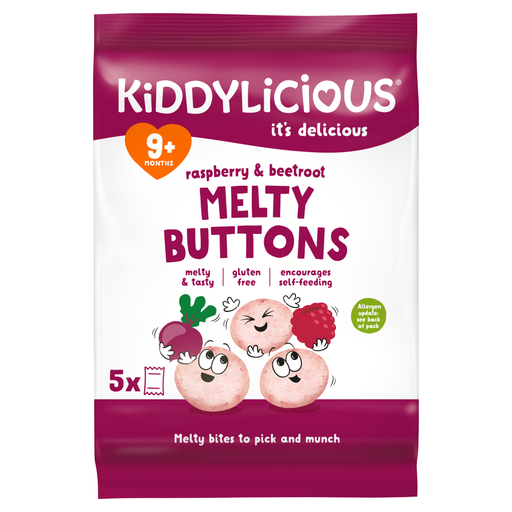
Kiddylicious Raspberry & Beetroot Melty Buttons, 9+ months, 5 x 6g
Melty buttons labelled for ages 9+ months. Check their current ingredients against any diagnosed allergy and consider whether this finger-food format suits the child’s eating ability; supervise eating.
 No image available
Ella's Kitchen Apples, 4+ months, 70g
An apple food in a 70g pack labelled for ages 4+ months; its format differs from a finger-food snack. Check the current ingredients for the child’s needs and keep the pouch cap out of reach of young children.
 No image available
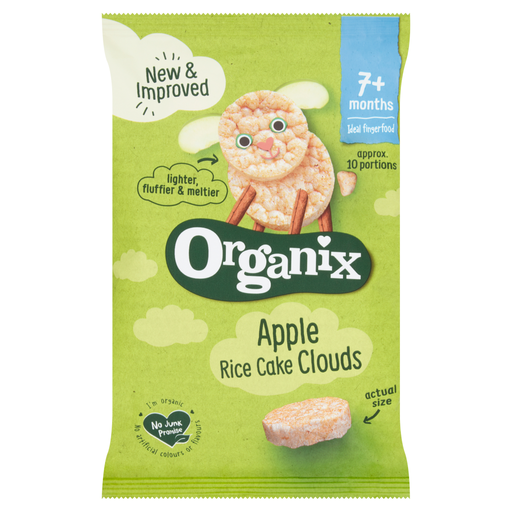
Organix Apple Rice Cake Clouds, 7+ months, 40g
Apple rice cakes labelled for ages 7+ months. Consider the texture for the individual child, check the current pack for allergens and supervise eating.
 No image available
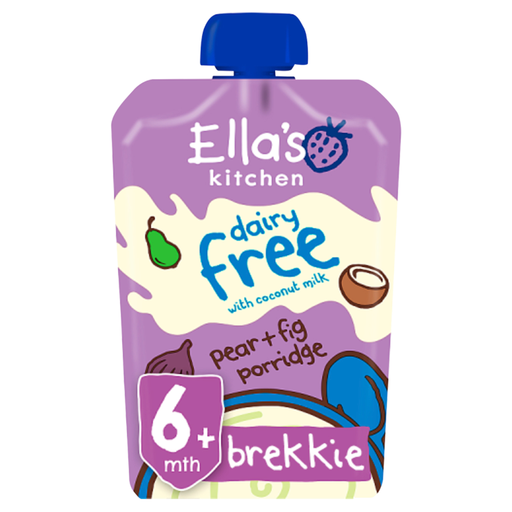
Ella's Kitchen Dairy Free Pear & Fig Porridge, 6+ months, 100g
A dairy-free pear and fig porridge labelled for ages 6+ months. Dairy-free does not answer questions about other allergens: check the current ingredients, including any cereals, against the child’s needs. Keep the pouch cap out of reach of young children.
Questions about bars and allergens
Is a free-from protein bar automatically suitable for a toddler?
No. ‘Free from’ identifies a particular exclusion, not age suitability or the absence of every allergen. Grenade labels its reviewed Chocolate Chip Salted Caramel bar unsuitable for children under 14; for any other product, check its own age guidance and current allergen information.
What could I offer for routine toddler snack time instead?
NHS suggestions for young children include fruit, vegetable sticks, plain unsweetened yoghurt, toast, crackers and unsalted rice cakes with suitable accompaniments. Choose a texture the child can manage and adapt the food to any diagnosed allergy.
Does gluten-free also mean oat-free?
No. The Food Standards Agency says gluten-free food contains no more than 20mg/kg gluten as sold, but oats must still be emphasised as an allergen when present. Read the full ingredient and allergen declaration if oats are relevant to the child.
What if my toddler has a diagnosed allergy or eczema?
Talk to a GP or health visitor before introducing foods where NHS guidance calls for extra care, including a diagnosed food allergy or eczema or a relevant family history. For packaged snacks, NHS also advises avoiding a food if you are unsure whether it contains an allergen the child must avoid.
Does ‘may contain’ mean the allergen is absent?
No. The Food Standards Agency explains that a ‘may contain’ statement communicates possible unintended presence of an allergen. Consider that statement alongside the current ingredient declaration and the advice relevant to the child’s diagnosed allergy.


