Hosts serving guests with different exclusions
Keep each bar’s wrapper with it so guests can check the exact flavour. One broadly labelled “free-from” option will not necessarily address everyone’s allergens.


Choose protein bars for board game night by each guest’s specific dietary requirement, rather than treating “vegan”, “dairy-free” or “gluten-free” as an all-purpose allergen claim. A vegan bar can contain soya or peanuts, while a gluten-free bar can contain milk. Keep the current wrappers available and check both ingredients and relevant “may contain” statements before offering a bar to someone with a food allergy.
Keep each bar’s wrapper with it so guests can check the exact flavour. One broadly labelled “free-from” option will not necessarily address everyone’s allergens.
Look for the relevant dairy-free or vegan statement, then check for other ingredients and precautionary warnings. PhD’s Smart Plant Salted Caramel, for example, is described as suitable for dairy-free diets and vegans but contains soya protein ingredients and peanut paste.
Check the gluten-free claim on the specific bar without assuming it covers milk, soya or peanuts. The iHerb UK listing describes Quest Crispy Cookies & Cream as certified gluten-free and also lists milk and soya.
Start with the exclusion that matters to each guest. Compare protein and sugar per bar only after checking that the particular flavour meets their ingredient and allergen requirements.
| Priority | What to check | Your needs |
|---|---|---|
| Specific exclusion | Match a dairy-free, vegan or gluten-free statement to the requirement. Read the ingredients and allergen information for that exact flavour; one claim does not establish suitability for other exclusions. | I need an option that matches a particular guest’s requirement, not simply a bar with a free-from claim on the front. |
| Peanuts and nuts | Check for peanuts and tree nuts in the ingredients and in any precautionary statement. Do this even for vegan, dairy-free or gluten-free bars. | If someone avoids peanuts or tree nuts, I want them to be able to check the wrapper before taking a bar. |
| Shared serving | Keep original wrappers accessible, identify each flavour separately and avoid mixing unwrapped bars. The Food Standards Agency explains that precautionary allergen labelling, including “may contain”, signals possible unintentional allergen presence. | With several snacks on the table, guests should be able to tell which bar is which and see its allergen information. |
| Nutrition and warnings | Compare protein and sugars on the same per-bar basis, noting bar size. Read any sweetener or polyol warning on the chosen product; Grenade’s Chocolate Chip Salted Caramel listing warns that excessive consumption may have a laxative effect. | Once the allergen checks are settled, I can compare the bars as snacks and leave their serving information visible. |
PhD Smart Plant Salted Caramel contains soya protein ingredients and peanut paste. Barebells Vegan Fudge Brownie contains wheat and soya, according to their respective product information.
Check the current wrapper against each guest’s specific exclusions, including any relevant precautionary statement.
iHerb UK lists milk and soya in the certified-gluten-free Quest Crispy Cookies & Cream bar. Tesco’s gluten-free KIND Crunchy Peanut Butter listing includes peanuts, milk and soya.
Use the gluten-free claim for the gluten check, then assess other allergens separately.
Allergen information must match the flavour being served. Grenade advises customers to consult product-specific allergy information because some of its products are made in a facility handling peanuts, nuts and other allergens.
Check every flavour in the box and keep its packaging beside it.
Grenade’s Chocolate Chip Salted Caramel product information warns that excessive consumption may have a laxative effect. That warning remains relevant when guests can take more than one bar.
Leave the product information available and offer bars alongside other snack choices.
These examples show why the exact product matters more than a brand-wide free-from assumption; they do not establish that every flavour has the same ingredients.
The Smart Plant Salted Caramel bar is a dairy-free and vegan-labelled example.
Crispy Cookies & Cream illustrates a gluten-free option that needs separate milk and soya checks.
Chocolate Chip Salted Caramel provides an example for comparing per-bar nutrition when the guest’s allergen requirements have already been checked.
Its vegan and conventional bars demonstrate why the product and flavour need separate checks.
Its dairy-free protein-bar category is a starting point for shoppers avoiding dairy.
Tesco is a retailer reference for checking individual grocery listings, not a protein-bar manufacturer in these examples.
These are protein-bar and flapjack options for the snack table. Check each current pack for the dietary requirements of the guests who might eat it; a flavour name or product category is not an allergen statement.
 No image available
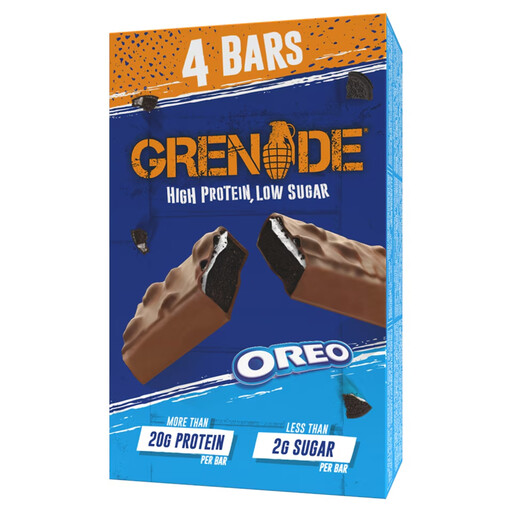
For guests considering a conventional protein bar, check this Oreo flavour’s current ingredients and precautionary allergen statement before putting it on a shared table.
 No image available
The name identifies peanut, so do not choose this flavour for a guest avoiding peanuts. If another guest needs a gluten-free option, confirm the claim and full allergen information on this exact pack.
 No image available
Because this is a nut-flavoured bar, check the named nuts and all other allergen statements on the current pack. Confirm any gluten-free requirement separately rather than relying on the flavour name.
 No image available
A twelve-bar pack gives a host several portions of the same named flavour. Keep its packaging accessible so guests can check the ingredients, any “may contain” wording and serving warnings for this specific product.
 No image available
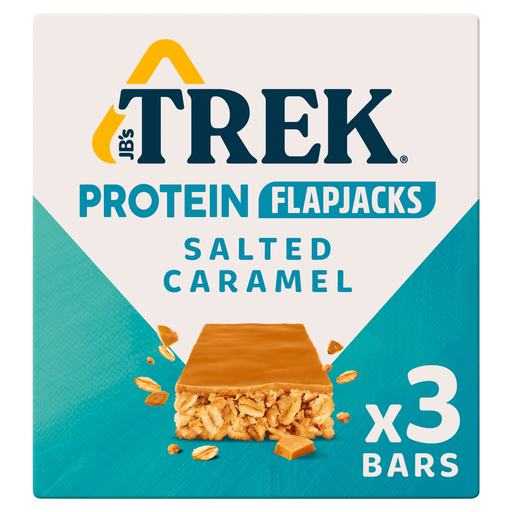
This flapjack offers a different bar format for the snack table. Check its current pack for any required gluten-free or dairy-free claim, as well as ingredients and precautionary allergen wording, before offering it to a guest with those exclusions.
No. Vegan describes the absence of animal-derived ingredients, not the absence of other allergens. PhD lists soya protein ingredients and peanut paste in Smart Plant Salted Caramel; Barebells says its Vegan Fudge Brownie contains wheat and soya and may contain several other allergens.
No. iHerb UK describes Quest Crispy Cookies & Cream as certified gluten-free but lists milk and soya. Check each guest’s other exclusions against the exact bar’s current label.
It signals possible unintentional presence of the named allergen. The Food Standards Agency describes precautionary allergen labelling this way; for a guest with a relevant allergy, check the statement on the current pack rather than treating it as irrelevant.
Keep each flavour identifiable and its original wrapper available. Separate different bars and avoid shared handling where allergen cross-contact is a concern, so guests can check the product they are actually being offered.
Check the warning on the particular product rather than assuming it is suitable. Grenade’s Chocolate Chip Salted Caramel product information states that its protein bars are not suitable for children under 14; that does not establish the age guidance for other brands’ bars.