Shoppers avoiding a named allergen
Check the ingredients and any precautionary “may contain” statement on each flavour and pack. A vegan or general free-from claim does not answer a question about every allergen.


Choose an afternoon protein bar by the particular ingredient or allergen you need to avoid, rather than relying on “vegan”, “protein” or “low sugar” on the front of the pack. Vegan bars can contain soya, peanuts or wheat, while a gluten-free bar may contain milk; check the exact flavour’s ingredients, any “may contain” statement and nutrition per bar before buying.
Check the ingredients and any precautionary “may contain” statement on each flavour and pack. A vegan or general free-from claim does not answer a question about every allergen.
Look for the relevant dietary claim, then check separately for ingredients such as soya, peanuts and wheat, and for cross-contact warnings that matter to you.
Check the gluten claim on the specific bar. If you also avoid milk or particular sweeteners, assess those separately rather than assuming a gluten-free claim covers them.
Set your ingredient requirements first, then compare the whole bar’s nutrition and the pack you would actually buy.
| Priority | What to check | Your needs |
|---|---|---|
| Named allergens | Read the exact flavour’s ingredients, emphasised allergens and any “may contain” statement. The Food Standards Agency explains that precautionary wording communicates possible unintended allergen presence. | I need to avoid a particular allergen, so a broad free-from claim is not enough to decide whether this pack fits. |
| Vegan and dairy-free claims | Check the dietary claim separately from the protein ingredients and cross-contact statement. PhD’s Smart Plant Salted Caramel lists soya and peanut paste; Barebells Vegan Fudge Brownie lists wheat and soya. | A plant-based afternoon snack appeals to me, but I may also need to avoid an ingredient that a vegan bar can contain. |
| Gluten avoidance | Confirm the claim for the individual flavour, then check milk and other ingredients independently. Quest describes its protein-bar range as gluten-free but says it uses dairy-based proteins. | Gluten is my main concern; whether I can have dairy is a separate decision. |
| Nutrition per bar | Compare bar weights alongside the stated protein, sugars and saturated fat per serving. Read the polyol line and any serving warning. | For my afternoon portion, I want to compare the whole snack rather than choose by a front-of-pack protein claim alone. |
| Finding candidates | Use a retailer’s dietary category to narrow your search, then inspect each product page or pack. A category can include different kinds of snack bar. | I want something practical to carry, without treating a shop filter as confirmation about a named allergen. |
PhD Smart Plant Salted Caramel contains soya and peanut paste. Barebells Vegan Fudge Brownie contains wheat and soya and lists possible traces of other allergens.
Write down what you avoid, then check the ingredients and precautionary statement for the exact flavour.
Protein content does not tell you the bar’s portion size, sugars or saturated fat.
Compare the nutrition panels on the same per-bar basis, alongside the ingredients you need to avoid.
Some bars list sugar alcohols or carry a laxative-effect warning for excessive consumption. PhD lists 16g polyols per 64g Smart Plant Salted Caramel bar.
Read the sweeteners and pack warning, particularly if these ingredients have affected you before.
A milk-free or protein-bar category can contain different products; the category name does not establish the ingredients of each flavour.
Use filters to find candidates, then check the current individual product information or physical pack.
These examples show why the exact bar matters more than a brand-wide assumption; they do not establish that every flavour has the same ingredients.
Its Smart Plant Salted Caramel bar is described by PhD as vegan and dairy-free.
Myprotein lists Vegan Carb Crusher Protein Bar in its UK vegan-snack range.
Barebells describes Vegan Fudge Brownie as a vegan bar with 15g protein per 55g bar.
Grenade lists 21g protein and 1.4g sugar per 60g Cookie Dough bar.
Quest describes its protein-bar range as gluten-free and made with dairy-based proteins.
Tesco’s grocery categories provide a way to browse milk-free snacks and protein bars.
These bars and flapjacks offer different afternoon-snack formats, including peanut-flavoured options. Check each exact pack’s dietary claims, ingredients and precautionary allergen statement against what you need to avoid; the names alone do not establish free-from suitability.
 No image available
For an afternoon peanut-and-chocolate bar, this pack contains four 40g bars. Check the exact pack’s gluten claim and its milk, soya and peanut information if any of those affect your choice.
 No image available
This four-pack provides 40g salted-caramel nut bars for separate afternoon portions. If avoiding gluten or particular nuts, confirm the relevant claim and allergen statement on this flavour’s pack.
 No image available
Consider this three-pack of 50g flapjacks if you prefer a flapjack to a conventional protein bar. Confirm its vegan and gluten claims on the current pack, and read any soya, milk or nut statements that matter to you.
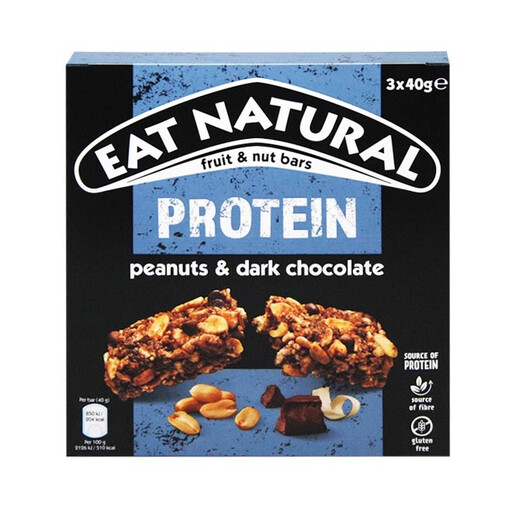 No image available
This three-pack of 40g peanut-and-chocolate bars is a conventional snack option, not a free-from choice established by its name. Check the full ingredient list, particularly if avoiding peanuts or other allergens, and confirm any dietary claim you require.
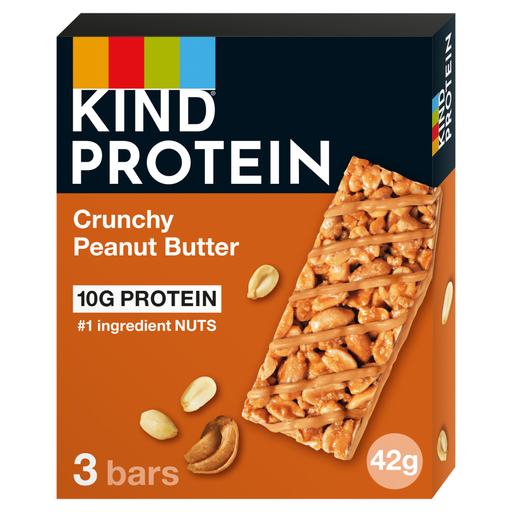 No image available
These peanut-butter bars come in a three-pack of 42g portions. The flavour is not an option for peanut avoidance; check the pack for other allergens, precautionary statements and any dietary claim you need.
No. A vegan claim concerns animal-derived ingredients, not every allergen or possible cross-contact. PhD’s vegan Smart Plant Salted Caramel contains soya and peanut paste; Barebells Vegan Fudge Brownie contains wheat and soya and says it may contain milk, peanuts, tree nuts and sesame. Check the exact pack for the ingredients you avoid.
It is a precautionary statement about possible unintended allergen presence, rather than an ingredient deliberately added to the recipe. The Food Standards Agency describes such wording as a way to communicate potential presence, including through cross-contact; read it alongside the ingredient list for your particular avoidance need.
No. Compare nutrition per whole bar, including the stated protein, sugars and saturated fat, as well as portion weight. Also check for polyols and any serving warning if those ingredients matter to you.
Some bars containing polyols carry a warning about excessive consumption. Grenade’s Cookie Dough and Barebells Vegan Fudge Brownie carry such warnings, while PhD lists 16g polyols per Smart Plant Salted Caramel bar. Read the guidance on the pack you buy.