Choose a picnic protein bar for each guest’s specific dietary or allergen requirement, rather than treating “vegan”, “gluten-free” or “high-protein” as a general free-from promise. A vegan bar can still list wheat or soya, while a gluten-free bar can use dairy protein. Check the current wrapper, including any “may contain” statement, before sharing; different guests may need different bars.
Who needs which checks?
Hosts catering for guests with food allergies
Ask each guest which ingredients they must avoid, then check the exact bar’s ingredients and precautionary wording. Food Standards Agency guidance addresses the declaration of listed allergens when they are ingredients; a broad dietary claim is no substitute for the pack information.
Vegan picnic-goers
Look for an explicit vegan suitability statement, then check allergens separately. PhD describes Smart Plant as suitable for vegans, while Barebells lists wheat and soya among the allergens in its Vegan Fudge Brownie bar.
Guests avoiding gluten
Look for an explicit gluten-free claim on the chosen pack. Neither “plant-based” nor “protein bar” establishes gluten-free status: Barebells lists gluten-containing cereals in its Vegan Fudge Brownie bar. Quest describes its gluten-free protein bars as using dairy-based proteins, so other requirements still need checking.
What to check before choosing
Start with the restriction that matters to the guest, then compare the exact flavour’s label and packing instructions. Protein figures only help distinguish suitable options after those checks.
| Priority |
What to check |
Your needs |
| Specific allergens |
Read the full ingredients and any “may contain” statement on the exact pack. Compare both with the guest’s avoidance requirements; the Food Standards Agency says a precautionary warning and a “free from” statement should not be used together for the same allergen. |
I’m sharing bars with someone who has an allergy, so I need to know whether this particular flavour meets their requirements. |
| Vegan suitability |
Check for a vegan suitability statement, then inspect ingredients and precautionary allergens separately. Barebells lists wheat and soya in its Vegan Fudge Brownie bar and says it may contain milk, peanuts, tree nuts and sesame. |
A vegan bar would suit my guest’s dietary choice, but I also need to check any allergens they avoid. |
| Gluten-free claim |
Look for an explicit claim on the chosen pack and check its other allergens. The Food Standards Agency defines “gluten-free” as no more than 20 mg/kg of gluten in food as sold to the final consumer; the claim does not address milk or nuts. |
If I’m avoiding gluten, I want that requirement stated clearly, without assuming the bar meets anyone else’s dietary needs. |
| Protein and warnings |
Compare stated protein on the same per-bar basis, alongside the ingredients and any consumption warning. PhD lists 20g protein per serving for Smart Plant; check the chosen flavour and serving size rather than applying that figure to another bar. |
I want to compare what one bar provides, but dietary suitability comes before the protein figure. |
| Picnic packing |
Follow the chosen pack’s storage instructions and keep its wrapper with the bar so guests can read the label before eating. |
For an outdoor picnic, I need to transport the bars as directed and leave their ingredient information available. |
Picnic buying pitfalls
-
Reading “vegan” as “allergen-free”
A vegan claim concerns suitability for a vegan diet, not every allergy. Barebells lists gluten-containing cereals, soya and wheat in its Vegan Fudge Brownie bar, with further precautionary allergen information.
Check the exact flavour’s full label against each guest’s requirements before putting it in a shared picnic basket.
-
Assuming gluten-free also means milk-free
Quest describes its gluten-free protein bars as made with dairy-based proteins. Gluten avoidance and milk avoidance therefore require separate checks.
Use the gluten-free claim for the gluten question, then read the pack for milk and any other allergens that matter to the guest.
-
Using an online listing as the final allergen check
Tesco warns that food products can be reformulated and tells shoppers to read the product label rather than rely solely on its website information.
Keep wrappers intact and check the physical label before offering a bar to someone with an allergy.
-
Leaving packing instructions until picnic day
Storage directions can differ by product. A bar packed contrary to its label instructions may not be in the condition its maker intended when it is served.
Read the storage statement while planning transport, and leave each bar wrapped until it is needed.
Relevant brands and retailer information
These examples show why a claim on one range or flavour should not be applied to every bar from the same brand. Tesco is included as a source of retailer labelling advice, not as a protein-bar maker.
PhD
PhD offers a Smart Plant range that it describes as suitable for vegans and vegetarians.
- PhD lists 20g protein and less than 1g sugar per serving for its Smart Plant 12-pack.
- Vegan suitability does not establish suitability for a guest with a food allergy; check the selected flavour’s label.
Myprotein
Myprotein offers Vegan Carb Crusher as a vegan protein-bar option.
- The vegan designation helps shoppers looking to avoid animal-derived ingredients identify a range to inspect.
- Myprotein says Vegan Carb Crusher may contain milk, peanuts and nuts and is not suitable for peanut and nut allergy sufferers.
Barebells
Barebells sells both vegan and conventional protein bars; their allergen information must be considered by product.
- Its Vegan Fudge Brownie listing gives specific ingredient and precautionary allergen information to check against a guest’s needs.
- That bar lists gluten-containing cereals, soya and wheat, and may contain milk, peanuts, tree nuts and sesame.
Grenade
Grenade’s White Chocolate Salted Peanut is a conventional protein-bar flavour rather than a general free-from choice.
- Grenade’s allergen statement says the bar may also contain traces of gluten and nuts. Check its full ingredients for any other allergens relevant to a guest.
Quest
Quest describes a gluten-free protein-bar range made with dairy-based proteins.
- The range illustrates a gluten-free route for shoppers who can consume the other ingredients on their chosen pack.
- Gluten-free does not mean milk-free; check the exact product label before selecting a bar for a guest.
Tesco
Tesco’s food listings provide a useful reminder about the limits of online product information.
- Tesco advises shoppers to read the product label because foods can be reformulated.
- An online listing should not replace a check of the wrapper when an allergen requirement matters.
Joybuy protein bar options
These bars offer different starting points for a picnic shop, including flapjacks and peanut-flavoured bars. Check each exact pack for the dietary claim and allergen information your guests need; a product name alone cannot settle those questions.
 No image available
Trek Salted Caramel Protein Flapjacks 3 x 50g
For a guest seeking a plant-based picnic snack, check the wrapper for vegan suitability and its full allergen statement. Pay particular attention to soya and any precautionary peanut, nut or milk wording before sharing.
View on Joybuy
 No image available
Nature Valley Protein Peanut & Chocolate Bar 4 x 40g
If choosing for someone avoiding gluten, look for an explicit gluten-free claim on this pack. The peanut flavour name is not a complete allergen statement: check the wrapper for the guest’s other requirements before offering a bar.
View on Joybuy
 No image available
Nature Valley Protein Salted Caramel Nut Bar 4 x 40g
For a gluten-avoiding guest, confirm the claim on the exact wrapper. Check its full peanut, tree-nut, soya and milk information separately if any of those ingredients matter to someone at the picnic.
View on Joybuy
 No image available
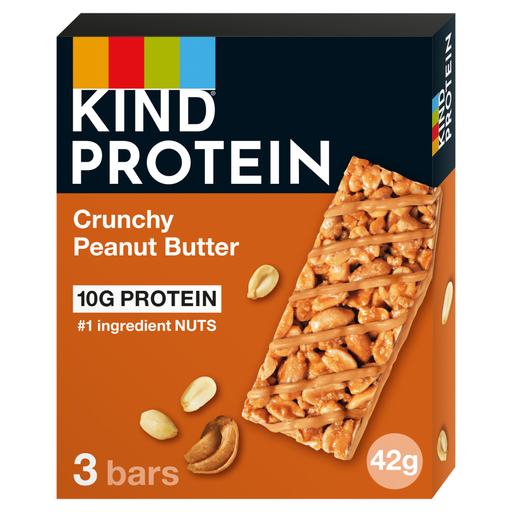
KIND Protein Crunchy Peanut Butter 3 x 42g
For a guest avoiding milk, check both the ingredients and precautionary wording on the physical pack before deciding whether it suits them. The peanut butter name makes a peanut-allergy check especially important; confirm vegan or gluten-free suitability separately if required.
View on Joybuy
Common questions
Does a vegan protein bar suit someone with a food allergy?
Not automatically. Vegan suitability does not cover every allergen: Barebells lists gluten-containing cereals, soya and wheat in its Vegan Fudge Brownie bar, while Myprotein says Vegan Carb Crusher is not suitable for peanut and nut allergy sufferers. Check the exact flavour’s ingredients and precautionary statements against the guest’s requirements.
What does “gluten-free” tell me about a bar in the UK?
The Food Standards Agency defines “gluten-free” as no more than 20 mg/kg of gluten in the food as sold to the final consumer. It does not establish that the bar is free from milk, nuts or other allergens, so check those separately on the pack.
Is a supermarket webpage enough to check allergens?
No. Tesco warns that foods can be reformulated and advises shoppers to read the product label rather than rely solely on website information. For a guest with an allergy, check the physical wrapper before offering the bar.
How should I pack protein bars for a summer picnic?
Follow the storage directions on each chosen product and keep its wrapper intact. That leaves the ingredients, allergen wording and any other pack instructions available when guests choose a bar.


