Vegan shoppers choosing a portable snack
A plant-based bar may fit your food preference, but its exact flavour still needs checking for soya, wheat, peanuts and precautionary allergen statements if any of those matter to you.


Choose a pre-workout protein bar by the particular ingredient or allergen you need to avoid, not by a vegan claim alone. Check the exact flavour’s ingredients and ‘may contain’ statement first, then compare protein, carbohydrate, fibre and polyol information per bar against what you normally tolerate before training.
A plant-based bar may fit your food preference, but its exact flavour still needs checking for soya, wheat, peanuts and precautionary allergen statements if any of those matter to you.
Look for an explicit gluten-free claim on the bar you intend to buy. Vegan status is not enough: Barebells states that its Vegan Fudge Brownie bar contains cereals containing gluten.
Read both the allergen information and the per-bar nutrition panel. Fibre, polyols and any label warnings may affect whether an unfamiliar bar is a sensible choice just before a demanding session.
Start with any ingredient you must avoid, then check the exact flavour’s other declarations and per-bar nutrition before deciding whether it fits your planned snack.
| Priority | What to check | Your needs |
|---|---|---|
| Named allergens | Read the exact flavour’s ingredients for the allergen itself and any ‘may contain’ statement. The Food Standards Agency explains that precautionary wording communicates possible unintended allergen presence. | I need to know whether the bar contains the ingredient I avoid, and whether its label warns of possible cross-contact. A vegan claim does not answer either question on its own. |
| Free-from claims | Match the claim to your requirement: vegan, gluten-free and dairy-free describe different things. Check the current pack rather than relying on a brand name or category filter. | If I avoid gluten, I want an explicit gluten-free claim; a plant-based recipe alone will not do. Barebells’ Vegan Fudge Brownie bar, for example, contains wheat and gluten according to Barebells UK. |
| Nutrition per bar | Compare protein, carbohydrate and fibre using the same per-bar serving basis. Myprotein UK lists 16g protein, 16g carbohydrate and 10g fibre per 60g Vegan Carb Crusher bar; other bars and serving sizes differ. | I want to see what this particular bar contributes to my snack, rather than choose solely by a protein figure or a front-of-pack sugar claim. |
| Polyols and warnings | Read the sweetener or polyol information and any excessive-consumption warning. Barebells UK and Grenade UK give such warnings for the specific bars reviewed here. | Before a demanding workout, I would rather use a bar I already tolerate than try an unfamiliar formulation immediately beforehand. |
Vegan bars can still contain wheat, soya or peanuts, or carry precautionary allergen statements. The Food Standards Agency advises against using vegan labelling as a substitute for allergen labelling.
Identify the ingredient you need to avoid, then read the ingredients and precautionary statement for the exact flavour.
Grenade UK lists milk and soya, along with possible traces of gluten, peanuts and nuts, for its Dark Chocolate Raspberry bar. That label does not establish the declarations for a different Grenade flavour.
Recheck the current listing and pack when you change flavour or multipack.
Carbohydrate, fibre and polyol information also varies by bar. Some of the reviewed product labels warn that excessive consumption may have a laxative effect.
Compare the full panel per bar and try an unfamiliar option during ordinary training before relying on it for an important session.
Tesco Groceries’ gluten-free-and-vegan-bars category contains different kinds of snack bar; category placement does not establish the protein content or allergen declarations of an individual item.
Use the category to find candidates, then check the individual listing and physical pack.
PhD’s Smart Plant range offers a vegan protein-bar route, but the ingredients depend on the flavour.
Vegan Carb Crusher is a plant-based bar with published per-bar nutrition and allergen information.
Barebells has vegan bars, but vegan is not a gluten-free claim for this range.
The reviewed Dark Chocolate Raspberry bar is a conventional protein-bar example, not a vegan or dairy-free option.
Quest describes its OG protein bars as gluten-free on its US product-range page; this does not establish the formulation of a UK pack.
Tesco Groceries provides a category for browsing gluten-free and vegan bars rather than a single protein-bar formulation.
These bars and flapjacks offer different starting points for a pre-workout snack, including vegan and gluten-free considerations as well as options for shoppers without those requirements. Check the current pack for the particular free-from claim and allergens you need to assess.
 No image available
A flapjack to consider when both vegan and gluten-free status matter for your pre-workout snack. Check the current pack for those claims and its soya declaration; the multipack contains three 50g flapjacks.
 No image available
For a shopper considering a gluten-free protein bar, check the claim on the current pack rather than assuming it from the product name. The peanut-and-chocolate variant comes as four 40g bars; review its milk, soya, peanut and other allergen declarations before choosing it.
 No image available
If gluten avoidance is your requirement, confirm the gluten-free claim for this exact variant and read its nut, milk and soya declarations separately. The multipack contains four 40g bars.
 No image available
A peanut-flavour option for shoppers who are not specifically seeking a vegan bar. Before using it as a pre-workout snack, check this flavour’s milk, soya and peanut declarations, plus the polyol information and warnings on the pack; it contains twelve 60g bars.
 No image available
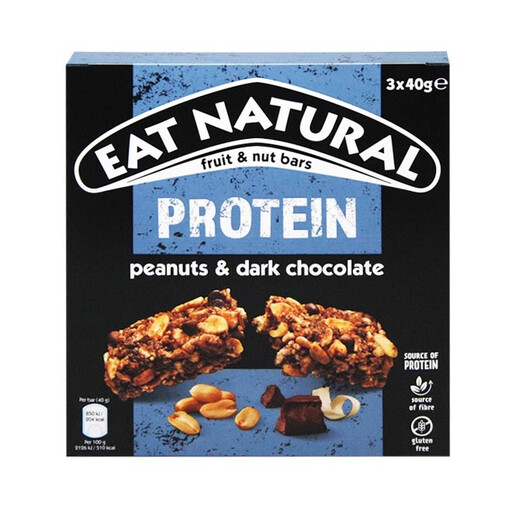
This peanut-and-chocolate energy bar is an option to compare if you do not need a particular free-from claim. Check the pack’s full allergen and nutrition information for your pre-workout snack; the multipack contains three 40g bars.
No: a vegan label alone is not an allergen-safety statement. Food Standards Agency research explains that cross-contamination risks can remain, so check the exact bar’s ingredients and precautionary allergen statement.
Not necessarily. Barebells UK states that its Vegan Fudge Brownie bar contains cereals containing gluten and wheat. If you avoid gluten, look for an explicit gluten-free claim on the exact product and check its other allergen information too.
Read the exact flavour’s ingredient list and any precautionary statement, including ‘may contain’ wording. The Food Standards Agency explains that such wording communicates possible unintended presence of an allergen; a category filter or another flavour’s label cannot replace the information on your bar.
A sugar claim cannot tell you how you will tolerate the whole bar. Compare its per-bar carbohydrate, fibre and polyol information and read any warnings; some reviewed bars warn about the effects of excessive polyol consumption. An unfamiliar bar is better tried during ordinary training than for the first time before a demanding session.
No. Compare the bar’s protein, carbohydrate and fibre per serving alongside its ingredients and your planned snack. UK Sports Institute guidance favours a varied, balanced food-first diet and spreading protein intake across meals and snacks during the day, rather than treating one pre-workout bar as the whole plan.