Desk workers avoiding a specific allergen
Check the ingredients and precautionary wording for your exact allergen on the current flavour’s wrapper. A vegan or protein claim answers a different question.


Choose a desk-lunch bar by the exact ingredient you need to avoid, then check the current wrapper’s ingredients and any ‘may contain’ statement before comparing protein or sugar. A vegan bar can contain wheat, soy or peanuts, while a gluten-free bar can contain milk. A protein claim alone does not establish that a bar makes a complete lunch.
Check the ingredients and precautionary wording for your exact allergen on the current flavour’s wrapper. A vegan or protein claim answers a different question.
A vegan statement helps identify animal-derived ingredient choices, but wheat, soy, peanuts and nuts still need separate checks. A precautionary milk statement may also matter if you avoid milk because of an allergy.
Check the exact bar for a gluten-free claim and read its other allergen information separately. Gluten-free does not mean dairy-free or nut-free; the ingredients list can also help you decide whether you want a bar containing sweeteners or polyols.
Start with the restriction that determines whether you can eat the bar. Once it meets that requirement, compare the serving and nutrition information for the role it will play in your lunch.
| Priority | What to check | Your needs |
|---|---|---|
| Exact allergen | Read the current ingredients list, emphasised allergens and any ‘may contain’ wording. Recheck when the flavour or pack changes. Food Standards Scotland explains how specified allergens appear in prepacked-food ingredients lists; the Food Standards Agency distinguishes precautionary wording from ingredients. | I need to know whether my particular allergen is an ingredient or is named in a cross-contact warning. |
| Vegan or dairy avoidance | Check the vegan statement and the flavour-specific ingredients separately. Myprotein lists wheat and soy in Vegan Carb Crusher and warns that it may contain milk, peanuts and nuts. | Plant-based ingredients matter to me, but I may also need to avoid another named allergen. |
| Gluten avoidance | Check the exact product’s gluten-free wording and its milk and nut information. Quest describes its protein-bar range as gluten-free but also says it uses dairy-based proteins; confirm the formulation on the UK pack you buy. | I want to avoid gluten without assuming that the same bar is dairy-free. |
| Lunch and serving size | Compare protein and the rest of the nutrition panel per bar, including sugars, saturated fat, fibre and energy. Check the ingredients if you prefer to avoid sweeteners or polyols. | A bar is convenient at my desk, but its protein figure alone does not tell me whether it meets my lunch needs. |
Myprotein’s Vegan Carb Crusher lists wheat and soy and warns that it may contain milk, peanuts and nuts. Barebells’ Vegan Fudge Brownie also lists gluten-containing cereals and soybeans.
Use the vegan statement for your animal-ingredient preference, then assess every other allergen you need to avoid on the selected flavour’s label.
Grenade names particular peanut-containing flavours and advises checking product-specific allergy information where its facilities handle nuts and other allergens.
Read the wrapper when choosing a different flavour or receiving a different pack, even if you have bought another bar from the range before.
In its November 2025 UK snack-bar review, Action on Salt & Sugar classified 64% of the reviewed bars as ‘less healthy’ and 55% as high in saturated fat. Those category figures do not describe every individual protein bar.
Compare the whole per-bar nutrition panel and decide what else you will eat at lunch.
Quest says its protein bars contain sugar alcohols, so a protein or sugar figure does not describe the full ingredient choice.
If these ingredients matter to you, check the selected bar’s ingredients rather than relying on its front-of-pack claims.
These examples illustrate how different product lines answer different dietary questions; a brand name alone does not establish a bar’s allergen suitability.
PhD describes its Smart Plant protein bar as vegan.
Myprotein lists Vegan Carb Crusher among its plant-based snacks.
Barebells offers both conventional and vegan protein-bar lines.
Grenade lists several protein-bar flavours, including Caramel Chaos.
Quest describes its protein-bar range as gluten-free; confirm the selected product’s current UK label.
Tesco lists protein bars and separate gluten-free and vegan snack-bar categories.
These bars and flapjacks offer different pack formats for a desk snack. Check the exact pack’s dietary claims, ingredients and allergen wording before treating any option as suitable for a restriction.
 No image available
A four-bar pack for keeping a snack at your desk. Peanut is part of this variant’s name; check the current wrapper for its full ingredients, allergen statements and any gluten-free claim you require.
 No image available
Another four-bar format, with ‘Nut’ in the variant name. Read this flavour’s wrapper for the specific nuts, other allergens and any gluten-free claim relevant to your choice.
 No image available
A flapjack alternative in a three-bar pack. If you need a vegan or gluten-free option, confirm those claims and the allergen wording on this exact pack before choosing it.
 No image available
The twelve-bar pack may suit someone planning several desk snacks. Grenade advises checking product-specific allergy information because several of its products are made in a facility handling peanuts, nuts and other allergens; read this flavour’s wrapper rather than applying another flavour’s details.
 No image available
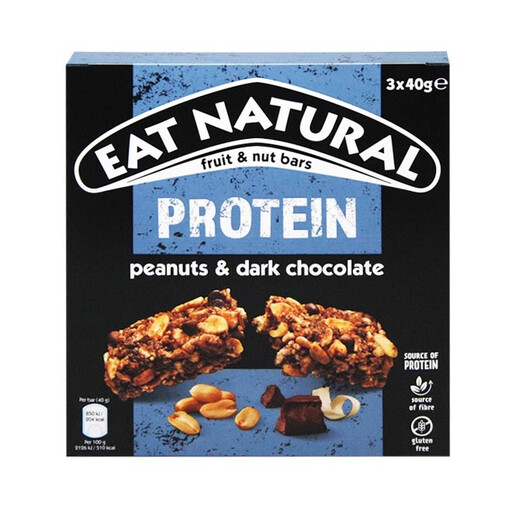
A three-bar pack of peanut-and-chocolate energy bars. Because peanuts are named in the product, shoppers avoiding them should choose another option; check the wrapper for all other ingredients and allergen statements.
No. Vegan describes animal-derived ingredients, not every allergen or possible cross-contact. Myprotein’s Vegan Carb Crusher lists wheat and soy and says it may contain milk, peanuts and nuts; check the current label of the flavour you choose.
Start with the ingredients list and its emphasised allergens, then read any separate precautionary statement. Food Standards Scotland’s guidance explains the labelling of specified allergens in prepacked foods; the exact pack matters when comparing flavours or formulations.
It signals that a named allergen could be unintentionally present, rather than listing it as an intentional ingredient, according to the Food Standards Agency’s explanation of precautionary allergen labelling. If you have an allergy, assess that warning against the allergen you avoid and your individual allergy-management advice.
A protein claim alone cannot establish that a bar meets your lunch needs. Compare its per-bar energy, protein, fibre, sugars and saturated fat, and consider what else you will eat; Action on Salt & Sugar’s November 2025 UK snack-bar review shows why a category or front-of-pack claim should not stand in for the individual nutrition panel.