Hosts serving someone with a food allergy or intolerance
Find out exactly what the guest needs to avoid, then check the packet of every rice-cake flavour before adding it to a shared spread.


Choose rice cakes by the particular allergen a guest needs to avoid, rather than assuming a rice-based or gluten-free snack meets every requirement. Before serving a shared football snack, check the current packet’s ingredients and any “may contain” statement for each flavour and topping; a gluten-free claim does not establish suitability for someone avoiding milk, sesame or soya.
Find out exactly what the guest needs to avoid, then check the packet of every rice-cake flavour before adding it to a shared spread.
A product-specific gluten-free or wheat-free claim helps narrow the choice. It does not answer separate questions about milk, sesame or soya.
A plain rice cake can provide a base, but both the cake and anything served with it need to meet the guest’s allergen requirements.
Start with the allergen that matters to the person eating the snack. Then compare the packet’s ingredient and precautionary statements across the flavours you intend to serve.
| Priority | What to check | Your needs |
|---|---|---|
| Specific allergen | Look for a claim covering the allergen to be avoided, then read the ingredients and highlighted allergens. The Food Standards Agency says a free-from claim applies to the specified allergen. | I need to know whether this particular cake meets my guest’s requirement, not just whether its packaging says “free from”. |
| Precautionary wording | Read “may contain” statements separately from the ingredients list. Tesco lists milk, sesame and soya in the precautionary statement for its Free From Wholegrain Rice Cakes despite its wheat- and gluten-free claim. | A gluten-free cake may still conflict with a guest’s requirements for milk, sesame or soya. |
| Flavour and toppings | Check each flavoured or coated variety individually, as well as dips and toppings. Tesco lists milk chocolate and soya lecithin in Nature’s Store Milk Chocolate Rice Cakes. | For a shared spread, I want to check the finished snack—not assume a topping or chocolate coating has the same allergen information as a plain cake. |
| Packet in hand | Compare the current packet’s ingredients, allergen declaration and precautionary statement with what you expected from the online listing. Tesco and M&S advise reading the label because product information can change. | Before the football starts, I can check the actual packs I am putting out, including any multipack varieties. |
Coatings and seasonings can change the ingredients, while precautionary statements address possible cross-contact. Tesco’s wheat- and gluten-free wholegrain cakes also carry a “may contain” statement for sesame, soya and milk.
Match the label to the exact allergen your guest avoids. Do not serve a product as their free-from option if its ingredients or precautionary statement conflict with their requirements.
Kallo describes its Organic Unsalted and Lightly Salted Wholegrain Rice Cakes as vegan, but its product pages also say they may contain milk, sesame and soya.
For a guest with a milk allergy, check the current pack and follow the requirements they use to manage that allergy rather than relying on the vegan description.
Tesco’s listing for Nature’s Store Milk Chocolate Rice Cakes includes milk chocolate and soya lecithin. A plain cake’s ingredient list cannot answer the allergen question for a coated one.
Check each flavour and multipack variety separately, including anything served on top.
Ingredient and allergen information can change. Tesco and M&S direct shoppers to the product label for the information relevant to the pack they buy.
Read the unopened packet before serving it. If its allergen information is unclear or conflicts with the guest’s requirements, do not present it as their free-from snack.
These examples show why claims and precautionary statements need to be checked on individual products, not inferred from a brand name.
Tesco labels its Free From Wholegrain Rice Cakes wheat and gluten free.
Kallo lists gluten-free claims for its Organic Unsalted and Lightly Salted Wholegrain Rice Cakes.
Tesco lists the brand’s Milk Chocolate Rice Cakes as gluten free and wheat free.
M&S lists its Lightly Salted Rice Cakes as gluten free, vegan and vegetarian.
Snack a Jacks offers flavoured Jumbos and single-pack rice-cake snacks.
These options cover a lightly salted cake that could be paired with toppings and two flavoured snacks for watching the football. Check the current packet against each guest’s allergen requirements before serving.
 No image available
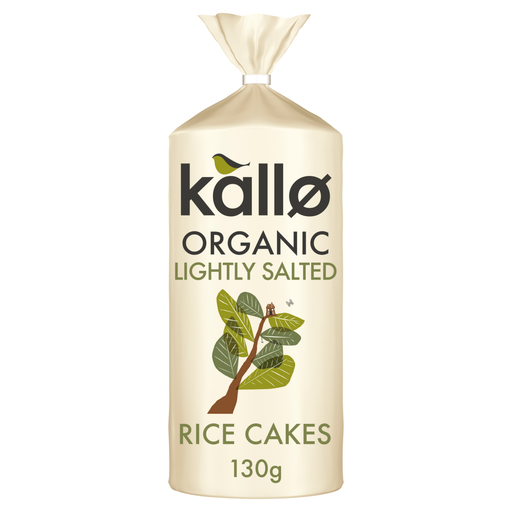
A lightly salted option to consider as a base for toppings. Kallo describes its Organic Lightly Salted Wholegrain Rice Cakes as gluten free but says they may contain milk, sesame and soya; check the 130g packet and any toppings against the guest’s requirements.
 No image available
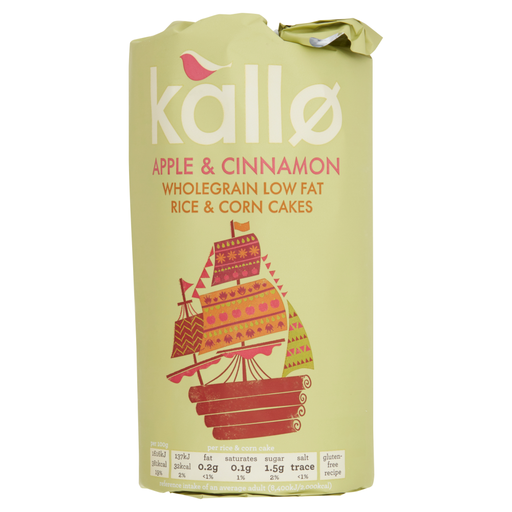
An apple-and-cinnamon flavoured option if you would rather serve rice cakes without a separate topping. Check this exact packet for a claim covering the required allergen, plus its ingredients and precautionary statements; a claim for another Kallo variety does not establish this one’s suitability.
 No image available
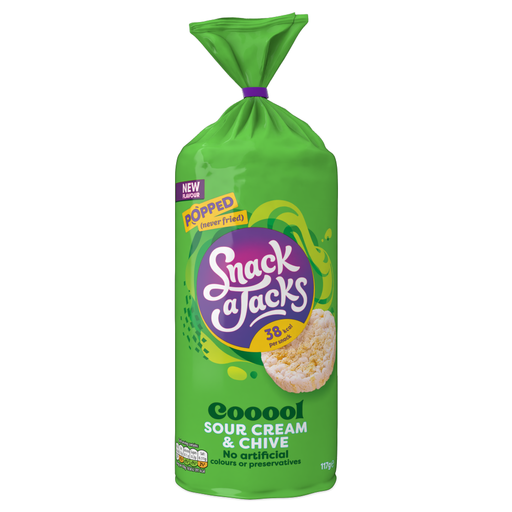
A sour cream-and-chive flavoured option for a ready-to-eat spread. Do not infer milk-allergy or gluten-free suitability from the flavour or the Snack a Jacks name: read this packet’s ingredients, allergen statements and any relevant free-from claim before serving it.
No. UK Government guidance says food labelled gluten free may contain no more than 20 mg/kg of gluten; that claim does not establish whether milk, sesame, soya or another allergen is absent. Check the exact packet for the allergen your guest avoids.
Do not decide from the vegan description alone. Kallo calls its Organic Unsalted and Lightly Salted Wholegrain Rice Cakes vegan, but says both may contain milk, sesame and soya. Check the current packet against the guest’s established allergy requirements.
Yes. UK Government guidance describes “may contain” as precautionary wording for a possible cross-contamination risk. Read it as a separate check from the ingredients list when deciding whether the cake meets someone’s requirements.
Read each current packet’s ingredients, highlighted allergens and precautionary statement, then check any dips or toppings against the same requirement. Tesco and M&S advise checking the product label because food information can change.
It applies to the allergen named in the claim. The Food Standards Agency says a free-from or allergen-free label guarantees absence of that specified allergen; it does not clear the product for every other allergen. Read the rest of the packet for any separate requirements.