Who is this choice for?
The useful starting point is whether you need a gluten-free base, must avoid another named allergen, or want the rice-cake product itself to supply more protein.
Gluten-free gym-goers
If you need a gluten-free snack after training, distinguish the rice cake’s carbohydrate contribution from its protein content. For intense or prolonged exercise, UK Sports Institute guidance calls for a carbohydrate- and protein-rich snack with fluids.
People avoiding another allergen
A gluten-free claim does not settle a milk, sesame or soya restriction. Check the ingredients and precautionary allergen statement on the exact pack, including when you have bought that brand before.
Shoppers who want a simple topping base
A plain rice-and-salt cake leaves the choice of topping or side food to you. Check that any addition fits your allergen requirements, and compare protein for the amount you plan to eat rather than treating the cake as the whole snack.
What should you check?
Start with the allergens you must avoid, then compare protein in a realistic serving and decide whether you want a plain base or a flavoured product.
| Priority |
What to check |
Your needs |
| Gluten and other allergens |
Look for an explicit gluten-free claim on the exact product. Read its ingredients and any precautionary ‘may contain’ statement for other allergens. |
I need a cake that fits my particular restriction, not just a gluten-free claim. Kallo, Tesco and ASDA list different possible cross-contact allergens on the cited plain products. |
| Protein alongside carbohydrate |
Compare protein per cake or per 100 g, then consider the amount you will eat. Tesco lists 0.6 g protein per cake for its Free From Wholegrain Rice Cakes; ASDA lists 0.7 g for its Free From Slightly Salted Rice Cakes. |
After intense or prolonged exercise, I want a snack containing carbohydrate and protein with fluids, as advised by the UK Sports Institute. If I choose one of these plain cakes, I will need to consider a compatible protein food alongside it. |
| Plain or flavoured recipe |
Compare the exact ingredients and nutrition figures, using the same per-cake or per-100 g basis. M&S lists 24.8 g protein and 16.2 g fat per 100 g for its Barbecue High Protein Rice Cakes, which contain pea protein and lentil flour. |
A simple rice-cake base suits me if I would rather choose my own topping. If I prefer a flavoured cake that contributes more protein, I still need to check its full recipe and allergen information. |
| Current pack information |
Check the flavour and pack size, then read the pack you intend to use. Do not apply one variant’s allergen statement to another variant from the same brand. |
I need the information for the product in my hand, particularly if an ingredient or a ‘may contain’ statement could change my choice. |
Brand and product-line references
These examples show why a brand name alone cannot answer a free-from question: the relevant claim, ingredients and nutrition figures belong to a particular product.
Kallo
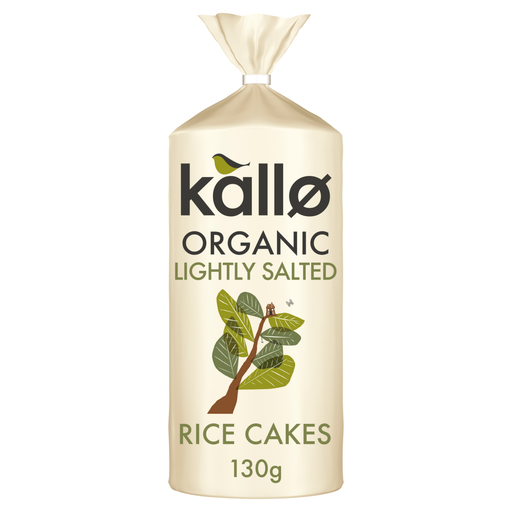
Kallo Organic Lightly Salted is a labelled gluten-free, wholegrain brown rice-and-sea-salt option.
- Kallo lists 0.6 g protein per rice cake, making the amount eaten relevant when planning the rest of a post-training snack.
- Kallo states that this product may contain milk, sesame and soya. Its allergen statement does not establish the profile of another Kallo flavour.
Tesco Free From
Tesco Free From Wholegrain Rice Cakes are described by Tesco as wheat- and gluten-free and made with wholegrain brown rice.
- Tesco lists 0.6 g protein per cake, a useful figure when deciding what to eat alongside a plain cake.
- The product information states that the cakes may contain sesame, soya and milk; check the current pack for your restriction.
ASDA Free From
ASDA Free From Slightly Salted Rice Cakes are labelled free from cereals containing gluten and list brown rice and sea salt as ingredients.
- ASDA lists 0.7 g protein per rice cake, allowing a per-cake comparison with other plain options.
- The listing says the product may contain soya. ASDA advises checking the label because product information can change.
M&S Food
M&S lists both Lightly Salted Rice Cakes and a distinct Barbecue High Protein Rice Cakes recipe as gluten-free.
- M&S lists 9.6 g protein per 100 g for Lightly Salted and 24.8 g per 100 g for Barbecue High Protein; the latter contains pea protein and lentil flour.
- The barbecue product is a different, flavoured recipe. M&S advises checking current ingredient, nutrition and allergen information.
Snack a Jacks
Snack a Jacks is a rice-cake brand with flavoured snack formats to assess product by product.
- The brand name does not establish whether a particular variant is gluten-free or fits another allergen restriction. Check the exact pack before choosing it.
Rice-cake options on Joybuy
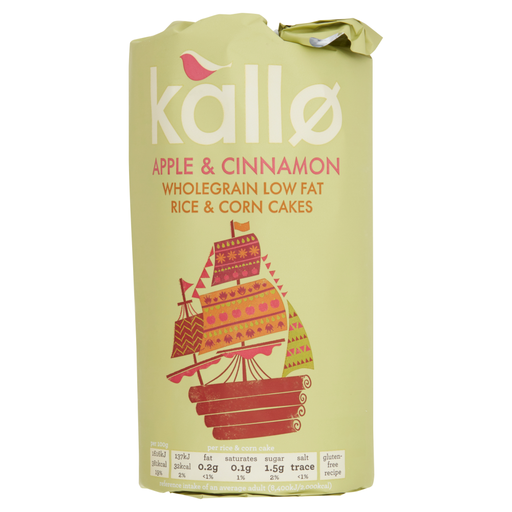
These Kallo rice cakes offer a lightly salted base and an apple-and-cinnamon variant. For either one, use the exact pack to check the free-from claims and allergens relevant to you; after intense or prolonged training, also consider what will supply protein alongside a plain rice-cake snack.
 No image available
Kallo Organic Lightly Salted Rice Cakes 130g
A plain base to pair with a compatible protein food after intense or prolonged exercise. Kallo describes Organic Lightly Salted as gluten-free and lists wholegrain brown rice and sea salt, with 0.6 g protein per cake. Its allergen advice says it may contain milk, sesame and soya; check the current pack.
Joybuy
 No image available
Kallo Jumbo Apple & Cinnamon Rice Cakes 127g
An apple-and-cinnamon rice-cake option if you prefer a flavoured snack. Before using it for a free-from requirement, check this variant’s current gluten-free claim, ingredients and allergen statement rather than applying those of Kallo Organic Lightly Salted. Consider a compatible protein food alongside rice cakes after intense or prolonged exercise.
Joybuy
Frequently asked questions
Are gluten-free rice cakes suitable for every food allergy?
No. In the UK, the Food Standards Agency states that food labelled gluten-free must contain no more than 20 mg/kg gluten as sold; that claim does not mean it is free from other allergens. Kallo Organic Lightly Salted may contain milk, sesame and soya, while ASDA Free From Slightly Salted may contain soya. Check the exact product’s current ingredients and precautionary statement.
Is a plain rice cake enough after a gym session?
After intense or prolonged exercise, do not assume a plain rice cake supplies the whole snack described in UK Sports Institute guidance: it advises carbohydrate and protein with fluids as soon as possible, followed by a meal within two hours. Tesco and ASDA list 0.6 g and 0.7 g protein per cake respectively for the cited plain products, so consider a compatible protein food alongside them.
Should I choose plain or higher-protein rice cakes?
Choose a plain gluten-free cake when you want to add your own compatible topping or side food; compare a higher-protein product when you want the cake itself to contribute more protein. M&S lists 24.8 g protein per 100 g for its gluten-free Barbecue High Protein Rice Cakes, but that flavoured recipe contains pea protein and lentil flour, so check its full ingredients and nutrition information.
Do I need to check the pack if I have bought it before?
Yes. Tesco, ASDA and M&S advise checking current labels because ingredients and allergen information can change. Read the pack for the exact variant you plan to eat, especially when a gluten-free claim or another allergen statement determines your choice.


