Runners avoiding particular allergens
A portable bar is useful only if its current ingredients and precautionary allergen wording fit your requirements. Check the individual flavour and pack rather than relying on a range-wide free-from description.


For a 5k, choose a bar that meets your specific ingredient exclusions and that you have tolerated at the time you plan to eat it. Compare carbohydrate per serving for a pre-run snack, or carbohydrate alongside protein for a post-run snack; a gluten-free, dairy-free or vegan label does not cover every allergen.
A portable bar is useful only if its current ingredients and precautionary allergen wording fit your requirements. Check the individual flavour and pack rather than relying on a range-wide free-from description.
If you want to eat before a 5k or parkrun, consider the serving size and when you have comfortably eaten similar food before. The UK Sports Institute says most athletes eat between one and three hours before running, but timing is individual.
If the bar will be an after-run snack, compare its carbohydrate and protein per bar as well as its ingredients. A protein-led label alone does not tell you whether the product meets your free-from needs.
Start with the exclusions that matter to you, then compare the serving and nutrition information for when you intend to eat the bar.
| Priority | What to check | Your needs |
|---|---|---|
| Allergens | Read the current ingredient list and any ‘may contain’ statement. Match each declared or precautionary allergen to your own exclusions. | I need the exact bar and flavour to fit the ingredients I avoid, not just a broad free-from claim. |
| Before-run serving | Compare carbohydrate per bar or stated serving, the amount you would eat and your planned timing. The UK Sports Institute says most athletes eat one to three hours before running; individual timing varies. | I want a portion I have tolerated before a run, with enough time between eating and setting off. |
| After-run snack | Look at carbohydrate and protein per bar rather than the protein headline alone. Check whether the ingredients used in a protein bar fit your exclusions. | After a 5k, I may want a bar containing both carbohydrate and protein, provided its allergen information works for me. |
| Exact variant | Check the flavour, pack size and current label. Do not carry a gluten-free or dairy-free claim across different bars from the same brand. | I need information for the product I am buying, especially if I have previously used another flavour or an older pack. |
A gluten-free or dairy-free bar can still contain nuts, soya or milk, or carry a precautionary warning for another allergen. The Food Standards Agency explains that ‘may contain’ wording communicates possible unintended allergen presence.
Check the current pack against each ingredient you need to avoid, including its precautionary statement. Do not use a vegan or gluten-free claim as a substitute for that check.
The question is different before and after a run: a protein figure does not show the bar’s carbohydrate content, serving size or how you will tolerate eating it before setting off.
Compare the nutrition information per bar for your intended occasion, and try the portion and timing on an ordinary run rather than introducing it on an important run day.
Nature Valley presents its Protein Peanut & Chocolate bar as gluten-free, while its Oats & Honey bar is not presented as suitable for a gluten-free diet. Alpen states that its products contain gluten from wheat, barley or oats.
Check the claim on the exact product and flavour. A brand name, oat ingredient or previous purchase is not enough to establish suitability.
Product lines change: Alpen lists former bar varieties that it no longer makes. An older review or pack description may therefore refer to a different product.
Use the ingredients, allergen wording and nutrition information on the pack you are about to buy.
Free-from claims apply to particular products, not automatically to every bar bearing the same brand name.
Fruit-and-nut bars are one route to consider when checking gluten and dairy exclusions.
TREK lists plant-based protein flapjacks, with claims that need checking by flavour.
Its protein and crunchy oat bars illustrate why the exact product line matters.
Its peanut-and-chocolate protein bar is relevant to shoppers comparing gluten-free-labelled options.
Graze offers snack products, but a range-level description cannot establish the exclusions met by an individual bar.
Alpen is a familiar cereal brand, but its own gluten information limits its relevance to gluten-free shoppers.
These oat, protein and nut-bar packs offer different starting points for a pre-run or after-run snack. Compare the exact pack’s nutrition and allergen label with your needs before choosing.
 Image unavailable
If you want a flapjack after a 5k, compare its carbohydrate and protein per bar with other options. This pack contains three 50g bars; check the current label for soya and any precautionary allergen wording.
 Image unavailable
This cocoa-and-oat protein flapjack pack offers another format to compare for an after-run snack. It contains three 50g bars; read the exact pack for its nutrition figures, soya declaration and any ‘may contain’ warnings.
 Image unavailable
If you are considering a nut bar after running, compare its per-bar carbohydrate and protein as well as its allergens. This is a pack of four 40g bars; check the Salted Caramel variant’s own label rather than applying information from another Nature Valley flavour.
 Image unavailable
For a smaller bar format, compare this 35g serving with the larger packs shown here. Peanut Delight contains peanuts, so it is not a choice for someone avoiding them; check this flavour’s current label for all other ingredients and warnings.
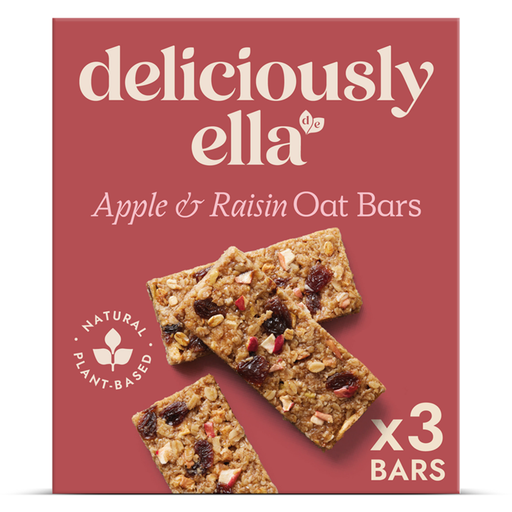 Image unavailable
If you prefer an oat bar before a 5k, compare carbohydrate per 50g bar and try the portion and timing on a routine run. This pack contains three bars; check its own gluten claim, ingredients and precautionary allergen wording.
No. A gluten-free claim concerns gluten, not every ingredient or cross-contact risk. Nature Valley presents Protein Peanut & Chocolate as gluten-free, but it contains peanuts; nākd. labels Berry Delight gluten-free and dairy-free, but it contains cashews. Check the exact pack against your own exclusions.
The Food Standards Agency says precautionary allergen labelling is intended to communicate that a regulated allergen could be unintentionally present. Read that wording alongside the ingredient list on the current pack and follow the allergy-management advice relevant to you.
Not on the protein figure alone. Compare the bar’s carbohydrate, serving size and ingredients, and choose a time at which you have tolerated a similar snack. The UK Sports Institute says most athletes eat between one and three hours before running, although timing varies by person.
No. Check whether the specific bar is labelled as suitable for your gluten-related requirement. Nature Valley does not present its Oats & Honey bar as suitable for a gluten-free diet, even though it presents a different product, Protein Peanut & Chocolate, as gluten-free.
Check the current range first. Alpen lists several former bar varieties as no longer made, and states that its products contain gluten from wheat, barley or oats. An older product name does not establish current availability or suitability.