Exercisers avoiding gluten
A portable bar may be useful after training, but check its gluten-free claim and protein per bar rather than assuming every cereal or oat bar meets those needs.


Start with the ingredient you need to avoid, then compare protein and carbohydrate per bar with the rest of what you plan to eat and drink after your workout. A gluten-free or vegan claim does not establish suitability for a peanut, nut, soy or milk allergy; the current pack’s ingredients and precautionary allergen statement are the deciding checks.
A portable bar may be useful after training, but check its gluten-free claim and protein per bar rather than assuming every cereal or oat bar meets those needs.
Compare plant-based bars by their stated serving and ingredients. Vegan suitability does not rule out precautionary warnings about milk or nuts.
Choose for the particular allergen you must avoid. Read the ingredients, highlighted allergens and any precautionary statement on the exact pack before eating it.
Check allergen suitability first; then compare the stated serving with the workout and the food or drink that will follow.
| Priority | What to check | Your needs |
|---|---|---|
| Allergens and diet | Read the exact flavour’s ingredients, highlighted allergens and any “may contain” statement. Check each required claim separately: gluten-free and vegan do not mean free from every allergen. | I need the bar to match a particular exclusion, not a general “free-from” description. A vegan bar may still carry a milk cross-contact warning. |
| Protein per bar | Compare grams per stated bar, not just per 100 g. The Association for Nutrition notes that post-workout protein considerations vary with exercise type and intensity. | If I am using the bar as part of a post-workout snack, I want to know how much protein this serving contributes alongside my next meal or drink. |
| Carbohydrate and fluids | Read carbohydrate per bar and consider what else you will eat. A food bar does not replace the fluids lost during exercise. | After a longer or harder session, I may need to think about food and fluids as well as the bar’s protein content. |
| Current pack | Confirm the serving size, ingredients and allergen statements on the pack being purchased. Check each flavour separately rather than relying on another bar in the range. | I want the label I use to make my choice to describe the bar I will actually eat. |
Claims address particular ingredients or dietary requirements. A gluten-free bar can contain peanuts, soy or milk, while a vegan bar can carry a milk cross-contact warning.
Identify the ingredient you must avoid, then check the current pack’s full ingredient and precautionary allergen information.
The amount eaten is one bar, which may be much smaller than 100 g. The per-100 g figure alone cannot tell you its contribution per serving.
Compare the stated protein per bar and consider the rest of your post-workout food or drink.
A bar’s protein figure says nothing about how much fluid you lost, and it does not show the carbohydrate in the rest of your meal.
Consider the session, the bar’s carbohydrate per serving and what you will drink or eat alongside it.
Ingredients and precautionary statements can differ between bars and change when a product is reformulated.
Recheck the exact flavour and current pack, even if another product from the brand has suited you before.
These examples describe particular bars or ranges, not an allergen guarantee across everything a brand makes.
Nature Valley UK describes its Protein Peanut & Chocolate 40 g bar as gluten free, with around 10 g protein.
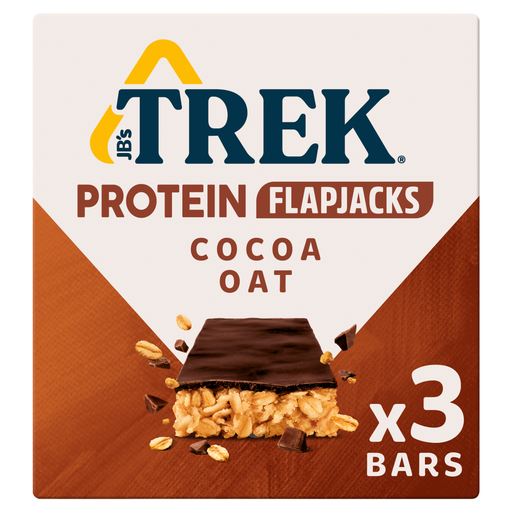
TREK describes its Cocoa Oat flapjack as vegan and gluten free, with 9 g plant protein per 50 g bar.
Eat Natural lists 10.4 g protein per 40 g bar for its gluten-free Protein Packed Salted Caramel, Almond & Peanut bar.
nākd. describes its fruit-and-nut range as vegan and free from gluten, wheat and dairy.
Graze says all its snacks are vegetarian and most are vegan. Individual oat-bar flavours need their own ingredient check.
Weetabix Cereals lists 1.9 g protein per 29 g serving for the Alpen Fruit, Nut & Chocolate cereal bar.
These options include protein flapjacks, protein bars and an oat bar. Compare the exact flavour’s label with your dietary requirements and the amount supplied per bar.
 No image available
A flapjack option for comparing an individual bar with your post-workout snack plans. The pack contains three 50 g bars; check the Salted Caramel flavour’s current dietary claims, ingredients and allergen statement before choosing it.
 No image available
For shoppers seeking a vegan, gluten-free flapjack, TREK lists 9 g plant protein per 50 g Cocoa Oat bar. It contains soy and may contain peanuts, nuts and milk, so check the current pack if any of those allergens matter to you.
 No image available
A nut-bar format to compare by protein per 40 g serving. If you are avoiding gluten or an allergen, check this Salted Caramel Nut variant’s own current label rather than applying claims or nutrition figures from Nature Valley’s Peanut & Chocolate bar.
 No image available
Nature Valley UK describes this bar as gluten free, with around 10 g protein per 40 g bar. It contains peanut, soy and milk ingredients and may contain tree nuts; check the current pack if an allergy affects your choice.
 No image available
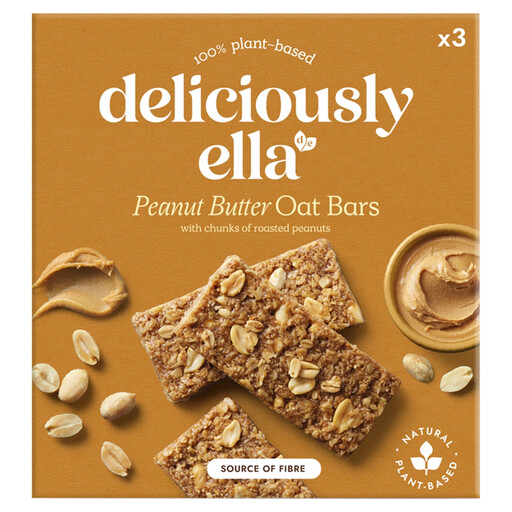
An oat-bar option if you want to compare a 50 g serving with the protein bars above. The Peanut Butter flavour calls for an exact-pack ingredient and allergen check, particularly if you must avoid peanuts or need a specific free-from claim.
Do not assume that one bar covers the whole occasion. Compare its protein and carbohydrate per serving with what else you will eat or drink; the Association for Nutrition notes that post-workout considerations vary with the type and intensity of exercise.
No. A gluten-free claim addresses gluten, not those other allergens. Nature Valley’s Protein Peanut & Chocolate bar contains peanut, soy and milk ingredients, while Eat Natural’s cited Protein Packed bar contains peanuts, almonds, soy and milk. Check the exact pack for the allergen you must avoid.
No. TREK describes Cocoa Oat as vegan but says it may contain milk. If milk allergy is relevant, read that flavour’s current precautionary statement rather than relying on its vegan description.
Read the exact pack’s ingredient list, highlighted allergens and any precautionary statement such as “may contain”. GOV.UK guidance identifies regulated allergens including cereals containing gluten, milk, peanuts, soybeans and tree nuts; ingredients and statements can also change when products are reformulated.
Not necessarily: compare the stated protein per bar and its ingredients rather than relying on the category name. Weetabix Cereals lists 1.9 g protein per 29 g serving for Alpen Fruit, Nut & Chocolate, which also contains wheat, oats, milk, soy, hazelnuts and almonds.