Guests avoiding gluten
Look for an explicit gluten-free claim on the bar, then check its milk, peanut, tree-nut and soya information separately.


Choose snack bars around each guest’s specific dietary requirement and allergen restrictions: gluten-free does not also mean free from nuts, milk or soya. A vegan, dairy-free fruit-and-nut bar may work where its nuts and precautionary warnings are acceptable; a gluten-free protein bar can suit a different guest while containing peanuts, milk and soya. Check the current pack before serving.
A bar only works for the group if its exact ingredients and allergen warnings fit the people who will eat it.
Look for an explicit gluten-free claim on the bar, then check its milk, peanut, tree-nut and soya information separately.
Check both vegan suitability and the milk information on the specific pack. nākd. describes its fruit-and-nut bars as vegan and dairy-free, but individual products can contain nuts or carry precautionary warnings.
Ask which ingredients and possible cross-contact warnings matter to the guest. A gluten-free or vegan claim cannot answer that question on its own.
Start with allergen compatibility. Once that is clear, compare dietary claims, portion format and any nutrition information that matters to your group.
| Priority | What to check | Your needs |
|---|---|---|
| Named allergens | Read the current ingredients and allergen declaration. Check any ‘may contain’ statement for the allergens your guests need to avoid. | I need to know which bar each guest can eat, not just whether its front-of-pack claim sounds suitable. |
| Gluten-free claim | Look for an explicit claim on the exact product. Check milk, peanuts, tree nuts and soya independently. | A guest avoiding gluten may still need to avoid another ingredient in the same bar. |
| Vegan and dairy-free suitability | Check both claims on the chosen flavour and read its nut and soya information. | For a vegan or dairy-free guest, I want a bar that also fits any separate allergen restrictions. |
| Serving format | Keep the product wrapper with each bar so guests can identify it and reread its label. | I want to put out several choices without losing track of which ingredients belong to which bar. |
| Protein and fibre | Compare the stated amount per bar or serving, rather than assuming bars have the same portion size. | If a guest has a preference for protein or fibre content, I can compare it after checking allergen suitability. |
Nature Valley’s gluten-free Peanut & Chocolate bar contains peanuts, soya and milk. ASDA’s label for nākd. Cocoa Delight lists cashews despite its gluten- and milk-free claims.
Ask which exact ingredients or allergens each guest avoids, then check the full label of every proposed bar.
Alpen says its range contains gluten from wheat, barley or oats. Tesco’s listing for Graze Cocoa Vanilla Oat Boosts also includes a precautionary warning for cereals containing gluten.
Where gluten avoidance is required, look for an explicit gluten-free claim on the product rather than relying on its oat-based description.
Without their wrappers, similar-looking bars are harder to identify and guests cannot readily check the relevant ingredients or warnings.
Keep bars in their original wrappers, or place each product beside its matching wrapper and ingredient information.
Nature Valley advises checking the pack because its products may be reformulated.
Read the pack you buy and keep it available for a final check before serving.
These brand examples illustrate different label checks; suitability still depends on the particular bar and guest.
The brand describes its fruit-and-nut bars as vegan and free from gluten, wheat and dairy.
Its Peanut & Chocolate Protein Bar is a gluten-free option where its other allergens are acceptable.
TREK describes its bars as plant-based and presents a gluten-free protein-flapjack range.
Its gluten-free range includes several types of bars.
Cocoa Vanilla Oat Boosts are listed by Tesco as vegan oat flapjacks.
Alpen’s cereal bars need particular care when gluten avoidance is required.
These options include TREK flapjacks, nākd. fruit-and-nut bars and a Nature Valley protein bar for different board-game-night preferences. Check each current pack against your guests’ requirements; the products are not interchangeable free-from choices.
 No image available
A flapjack format to consider for guests seeking a plant-based, gluten-free option. Check the Salted Caramel pack for its current claims, soya declaration and precautionary allergen wording before serving.
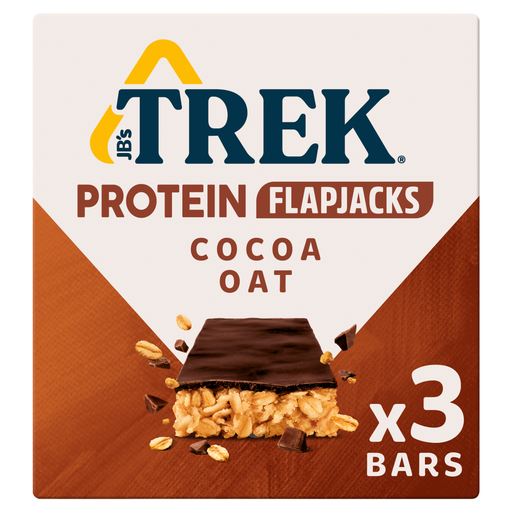 No image available
A cocoa-and-oat flapjack option for a group considering plant-based bars. Confirm the exact pack’s gluten-free claim and soya and other allergen information before offering it to guests.
 No image available
A peanut bar to consider only where peanuts are acceptable to the guest. If choosing it for a vegan, dairy-free or gluten-free requirement, confirm those claims and any other nut or soya warnings on the current pack.
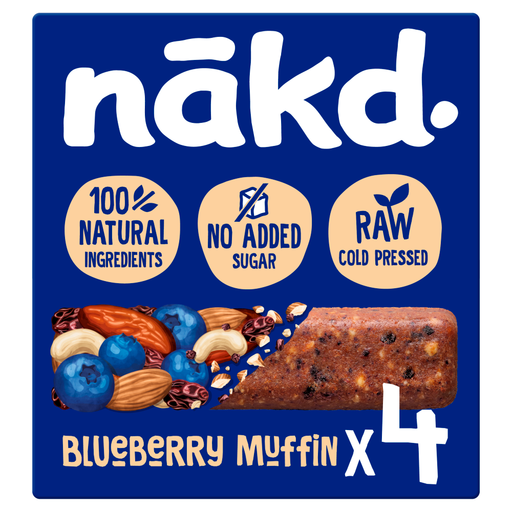 No image available
A fruit-and-nut bar format for guests considering a vegan or dairy-free choice. Check this flavour’s current gluten and milk information as well as its named nuts and precautionary warnings.
 No image available
A gluten-free protein-bar option only where peanuts, soya, milk and possible tree-nut presence are acceptable. Nature Valley lists those allergens for its Peanut & Chocolate bar; check the current pack before serving.
No. Nature Valley’s gluten-free Peanut & Chocolate bar contains peanuts, soya and milk and may contain other tree nuts. ASDA’s label for gluten- and milk-free nākd. Cocoa Delight lists cashews and further precautionary warnings.
Check the exact current pack for milk ingredients and any relevant precautionary statement rather than relying on ‘vegan’ alone. Other allergens matter too: ASDA lists nākd. Cocoa Delight as free from milk but containing cashews.
The Food Standards Agency explains that precautionary allergen labelling communicates possible unintended presence of an allergen. If the warning names an allergen your guest avoids, do not treat the bar as suitable simply because that allergen is absent from the ingredients list.
Keep each bar with its original wrapper so guests can identify the product and check its ingredients and warnings. Avoid mixing unwrapped varieties where their identities could become unclear.