Households avoiding gluten or dairy
Buying bars for several people means checking whether each product meets the particular exclusion. A gluten-free or dairy-free claim does not answer questions about nuts, peanuts or soya.


Start with the allergens each family member needs to avoid, then check the ingredients and any ‘may contain’ statement on the exact flavour and pack before buying several multipacks. A gluten-free, dairy-free or vegan bar is not necessarily suitable for someone avoiding nuts, peanuts, soya or milk. Once a bar fits those requirements, compare the number of bars, portion size and nutrition information per bar.
Buying bars for several people means checking whether each product meets the particular exclusion. A gluten-free or dairy-free claim does not answer questions about nuts, peanuts or soya.
Vegan, vegetarian and other bars can sit in the same shop, but one multipack should not be assumed suitable for every person who might eat it.
The exact ingredients and precautionary allergen wording matter more than a broad front-of-pack claim when someone needs to avoid nuts, peanuts, milk, soya or gluten-containing cereals.
Settle allergen suitability before comparing multipack sizes or nutrition panels. Check the current pack for each flavour, even if the family has bought the brand before.
| Priority | What to check | Your needs |
|---|---|---|
| Named allergens | Read the ingredients and emphasised allergens on the exact pack. Check nuts, peanuts, milk and soya separately from gluten-free or vegan claims. | One person may need to avoid an ingredient that is acceptable to everyone else sharing the snacks. |
| ‘May contain’ wording | Check the precautionary statement for the allergens your household needs to avoid. The Food Standards Agency describes this wording as a warning about possible unintended allergen presence, not an ingredient declaration. | Before I buy several boxes, I need to know whether the pack’s warning fits the affected person’s allergy-management advice. |
| Cereals and oats | Check any gluten-free declaration and whether oats appear in the ingredients. The Food Standards Agency says a gluten-free label means no more than 20 mg/kg of gluten in the food as sold; oats must still be emphasised when present. | A gluten-free claim matters to my household, but I may also need to identify oats or another cereal in the bar. |
| Multipack size | Compare the number of bars and weight of each bar after checking allergen fit. A 3 x 50 g pack and a 4 x 35 g pack provide different numbers and sizes of portions. | We need enough separate bars for the planned snacks, in portions that suit the people eating them. |
| Nutrition per bar | Read values per bar as well as per 100 g, and distinguish naturally occurring sugars from a ‘no added sugar’ claim. | If bars are different sizes, I want to compare the amount in the portion someone will actually eat. |
These claims address different ingredients. The nākd. Berry Delight bar listed by Tesco contains cashew, Sainsbury’s Eat Natural Apple bar contains almonds, and Nature Valley lists peanut in its Protein Peanut & Chocolate bar.
Make a shortlist around the named allergen each person must avoid, then check the precise flavour’s ingredients and precautionary statement.
A precautionary statement addresses possible unintended allergen presence. Tesco’s Graze Sticky Toffee Oat Boosts listing, for example, warns of several allergens associated with shared packing.
Read that statement on the pack before stocking up and assess it against the affected person’s allergy-management advice.
The listed Eat Natural Apple multipack contains 4 x 25 g bars, while the nākd. Berry Delight multipack contains 4 x 35 g bars. The portions and total pack weights differ.
Once allergen suitability is settled, compare bar count, weight per bar and nutrition per serving for the snacks you plan to use.
nākd. describes its fruit-and-nut bars as having no added sugar; fruit ingredients can still contribute sugars to the finished bar.
Check the nutrition information per bar rather than using the added-sugar claim to judge its total sugar content.
Brand ranges can help narrow the search, but the ingredients and warnings on a particular flavour determine whether it fits an individual’s requirements.
Fruit-and-nut bars for shoppers considering gluten-free, wheat-free, dairy-free or vegan options.
A range that includes gluten-free bars; suitability still depends on the chosen product.
Includes a gluten-free Protein Peanut & Chocolate bar for households where its other allergens are acceptable.
Plant-based bars, including Protein Flapjacks and High Protein bars.
Oat flapjacks to assess product by product, rather than as a general free-from choice.
A cereal-bar brand that needs a product-specific check when wheat, barley or oats are being avoided.
These multipacks offer plant-based, oat, fruit-and-nut and peanut-bar options for the family shop. Their different flavours and ingredients need separate label checks; no single free-from description covers every household requirement.
 No image available
A three-bar flapjack pack to consider when plant-based snacks are on the family list. TREK describes its bars as plant-based; check this flavour’s ingredients and ‘may contain’ wording for each person who might eat it.
 No image available
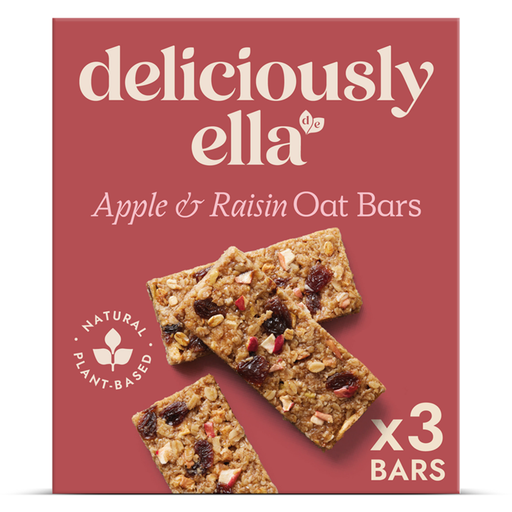
Three 50 g oat bars provide three separate snack portions. If the household needs a particular gluten-free or allergen exclusion, confirm this flavour’s current declaration and precautionary wording before adding it to a shared supply.
 No image available
A four-bar option where gluten-free suitability is needed and peanut, soya and milk are acceptable. Nature Valley describes this bar as gluten-free and lists about 10 g protein and 4 g fibre per 40 g bar; it contains peanut, soya and milk ingredients and may contain tree nuts.
 No image available
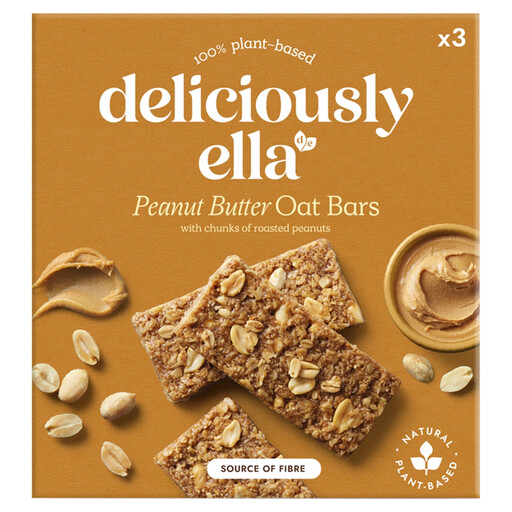
This three-bar peanut butter oat multipack is not a route for someone avoiding peanuts. Check the exact pack for its other ingredient allergens and any precautionary statement before buying it for a mixed-diet household.
 No image available
A four-bar fruit-and-nut multipack to assess when buying snacks for several people. nākd. describes its fruit-and-nut bars as gluten- and dairy-free, but check this Blueberry Muffin flavour’s named nuts and precautionary statement rather than applying the Berry Delight ingredient list to it.
No. The Food Standards Agency says that, under UK labelling rules, gluten-free means no more than 20 mg/kg of gluten in the food as sold. Oats must still be emphasised if present, and the pack may identify other ingredients or precautionary allergens relevant to your household.
It warns that a named allergen could be unintentionally present, rather than saying it is an intentional ingredient. Food Standards Agency research describes precautionary labelling as a way to communicate an unavoidable cross-contamination risk; check the exact warning against the affected person’s allergy-management advice.
Look in the ingredients list and read any separate precautionary statement. The Food Standards Agency says the 14 regulated allergens must be emphasised within the ingredients list of pre-packed food or drink, for example using bold, italic or coloured type.
Not on the strength of the vegan claim alone. Tesco lists nākd. Berry Delight as vegan and dairy-free, but its ingredients include cashew and its warning names possible traces of soya, peanuts and other nuts. Check the particular bar against each person’s exclusions.
Yes. Use the current pack’s ingredients, allergen emphasis and precautionary statement when restocking, rather than assuming a familiar flavour has kept the same recipe or wording.