For a toddler who must avoid a particular allergen or gluten, choose a snack bar only after checking the current pack against that requirement: a gluten-free, vegan or no-added-sugar claim does not answer every allergen question. For any toddler, also consider whether the bar’s texture and portion are manageable, avoid whole nuts, and supervise the child while they eat, in line with NHS guidance for young children.
Who is choosing the bar?
Parents managing a specific food exclusion
If a toddler has an allergy, coeliac disease or another clinician-directed exclusion, check the exact current pack against the child’s individual avoidance advice. A claim about one ingredient does not settle questions about others.
Parents looking for a gluten-free bar
Look for a gluten-free claim on the particular product, then check its ingredients and precautionary allergen statements separately. Gluten-free bars can still contain nuts or other allergens.
Parents choosing a portable toddler snack
Even without a known food exclusion, consider the bar’s texture, portion and ingredients. The NHS advises supervising young children while they eat and avoiding whole nuts for children under five.
What should you check first?
Start with any ingredient the child must avoid, then assess how the bar will be served and what its nutrition panel says about the portion offered.
| Priority | What to check | Your needs |
|---|
| Specific exclusions |
Read the current ingredient list, allergen declaration and any ‘may contain’ statement. Match them to the child’s particular avoidance advice; check a gluten-free or dairy-free claim only for the exclusion it names. |
I need to know whether this exact bar is compatible with the ingredient my child must avoid, not just whether its front label says ‘free from’. The Food Standards Agency describes ‘may contain’ wording as a warning about possible unintended allergen presence. |
| Texture and serving |
Consider the bar’s size, shape and texture, and whether the child can manage it. Do not give whole nuts to a child under five; serve manageable pieces with the child seated upright and supervised, following NHS guidance. |
A portable bar still needs to be something my toddler can chew and eat safely while I stay with them. |
| Sugars and portion |
Compare the ingredients and sugars for the portion actually offered, noting that bars differ in weight. A no-added-sugar claim does not mean the bar contains no sugars. |
If I offer bars regularly, I want to read the nutrition panel rather than rely on ‘natural’ or ‘no added sugar’ wording. NHS guidance advises avoiding food and drink with sugar or sweeteners for children aged four or younger. |
Common mistakes to avoid
-
Reading ‘free from’ as ‘free from every allergen’
Gluten-free, vegan and dairy-free describe different product characteristics. Nature Valley’s gluten-free Protein Peanut & Chocolate bar, for example, contains peanut, soya and milk, according to Nature Valley UK.
Check the exact pack’s ingredients, allergen declaration and precautionary wording against the child’s specific requirement.
-
Assuming a fruit or protein bar is made for toddlers
A bar’s ingredients and texture matter more than its general snack positioning. Tesco’s listing for Eat Natural Apple Soft Fruit Bars, for example, includes almonds despite describing the bar as soft and gluten-free.
Check whether the child can manage the texture, whether any ingredient must be avoided, and how much of the bar you intend to serve.
-
Letting a soft texture replace supervision
The NHS advises considering food size, shape and texture because young children can choke, particularly when they do not chew well. It also advises against whole nuts for children under five.
Offer manageable pieces where appropriate, seat the child upright and stay with them while they eat.
-
Treating ‘no added sugar’ as ‘no sugars’
A fruit-based bar may contain sugars even without added sugar. Tesco lists 13.8 g sugars per 25 g bar for Eat Natural Apple Soft Fruit Bars.
Read the sugars figure alongside the serving size and ingredients. For children aged four or younger, take account of NHS guidance to avoid food and drink with sugar or sweeteners.
Brand and product-line references
These examples show why free-from and nutrition checks belong to the particular bar and flavour, rather than to a brand as a whole.
nākd.
nākd. describes its fruit-and-nut bars as gluten-, wheat- and dairy-free, with no added sugar or syrups.
- The stated exclusions may be relevant when checking a particular fruit-and-nut bar against a gluten, wheat or dairy requirement.
- These are fruit-and-nut bars: do not assume a flavour is suitable for a child who must avoid nuts. Check its current pack.
Eat Natural
Eat Natural lists gluten-free bars, including soft fruit bars, but each product needs its own ingredient and nutrition check.
- Tesco describes the Apple Soft Fruit Bar as soft and gluten-free.
- That apple bar contains almonds and, according to Tesco, has 13.8 g sugars per 25 g bar.
TREK
TREK describes Original Oat as a gluten-free, vegan protein flapjack, rather than a toddler-specific bar.
- Its stated gluten-free claim provides a product-specific starting point for that requirement.
- TREK says Original Oat may contain peanuts, nuts and milk. Check the current pack and consider the portion and texture before offering it to a toddler.
Nature Valley
Nature Valley UK describes Protein Peanut & Chocolate as gluten-free, but that does not make it suitable for other exclusions.
- The gluten-free claim applies to this named bar.
- Nature Valley UK says it contains peanut, soya and milk and may contain other tree nuts; it is not a general free-from toddler choice.
Graze
Graze makes oat flapjacks and other snacks, but allergen information must be checked by product.
- The range includes oat-bar options for shoppers comparing snack formats.
- Sainsbury’s listing for Graze Sticky Toffee Oat Boost carries a shared-packing warning covering several allergens, including peanuts, milk, nuts and cereals containing gluten.
Snack-bar options on Joybuy
These options include a bar labelled for ages 12 months and over and a larger oat bar. Check the current pack for any free-from requirement before choosing either for a toddler.
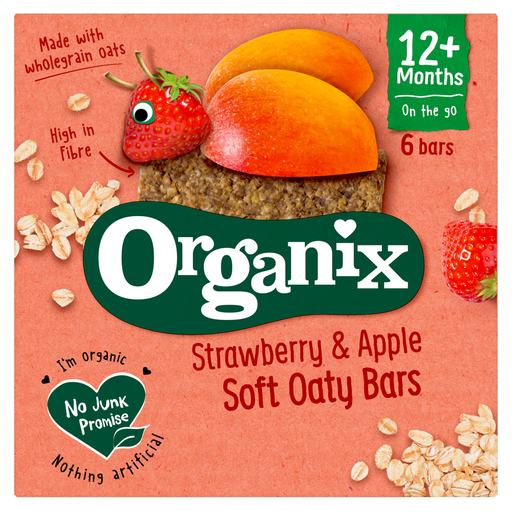 Image unavailable
Organix Strawberry & Apple Soft Oaty Bars, 12+ months, 6 x 23g
The age marking makes this a toddler-labelled option, but the current pack still needs checking against any specific food exclusion. The listed pack contains six 23g bars; consider the child’s ability to manage the texture and supervise eating.
View on Joybuy
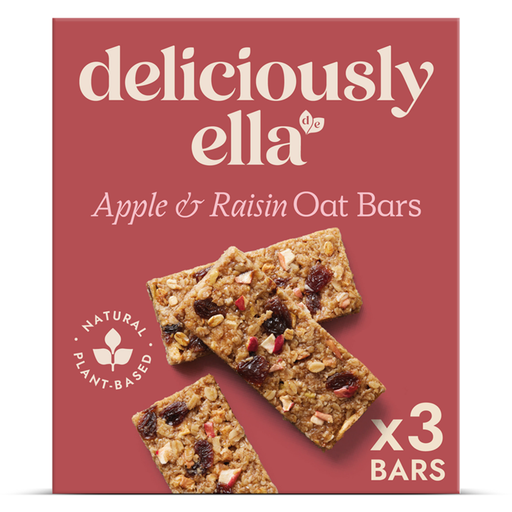 Image unavailable
Deliciously Ella Apple, Raisin & Cinnamon Oat Bars, 3 x 50g
This oat-bar pack contains three 50g bars. For a toddler, decide what portion and texture the child can manage; check the current pack for the gluten-free claim and any allergen warnings needed for the child’s particular requirements.
View on Joybuy
Questions about toddler snack bars
Does gluten-free mean a bar is suitable for a toddler with a nut allergy?
No. A gluten-free bar can contain nuts or carry a precautionary nut warning. Nature Valley UK says its gluten-free Protein Peanut & Chocolate bar contains peanut, soya and milk and may contain tree nuts; check the exact bar against the child’s allergy advice.
Can a toddler have a snack bar containing nuts?
Do not give whole nuts to a child under five: the NHS identifies them as a choking hazard. Other nut-containing textures still need assessing for the child’s ability to chew, and a child who must avoid nuts needs a bar compatible with their individual avoidance advice. Seat and supervise young children while they eat.
What does ‘may contain nuts’ mean?
It warns that nuts could be unintentionally present, for example through cross-contact, as described by the Food Standards Agency. It is not a nut-free guarantee; assess the wording against the child’s allergy-management advice.
Does ‘no added sugar’ settle whether a bar is suitable for everyday snacks?
No. Check the ingredients, sugars figure and portion size: a no-added-sugar claim does not mean a bar contains no sugars. NHS guidance advises avoiding food and drink with sugar or sweeteners for children aged four or younger.
How should I check a packaged bar for a food exclusion?
Read the current pack’s full ingredient list, allergen declaration and any ‘may contain’ statement against the child’s specific requirement. Do this for the exact product and flavour rather than relying on a brand-wide or front-of-pack claim.


