Office workers avoiding gluten or wheat
Look for a gluten-free claim on the particular bar rather than assuming an oat, vegan or fruit-and-nut bar meets your needs. If you have coeliac disease, whether you tolerate gluten-free oats is also relevant.


Start with the ingredient or allergen you need to avoid: a gluten-free or vegan claim does not rule out nuts, soya or a precautionary milk statement. Nakd and Eat Natural have vegan, gluten-free fruit-and-nut options, while TREK Original Oat and Nature Valley Protein Peanut & Chocolate offer protein-focused alternatives with different allergen limitations. If you have a food allergy or coeliac disease, use the current wrapper, including any ‘may contain’ wording, to assess the exact bar.
Look for a gluten-free claim on the particular bar rather than assuming an oat, vegan or fruit-and-nut bar meets your needs. If you have coeliac disease, whether you tolerate gluten-free oats is also relevant.
Check the vegan claim separately from the ingredient list and precautionary allergen wording. A vegan bar may still contain nuts or soya, or carry a ‘may contain’ statement for another allergen.
Compare protein per bar only after checking your exclusions. The TREK Original Oat and Nature Valley Protein Peanut & Chocolate examples have different declared ingredients and precautionary allergens.
Screen each bar against your dietary exclusions first, then compare its portion size and nutrition panel.
| Priority | What to check | Your needs |
|---|---|---|
| Allergens | Read the exact bar’s ingredients and any ‘may contain’ statement. Check each allergen you avoid separately, including milk, peanuts, tree nuts and soya. | I need to know whether this particular bar contains, or might unintentionally contain, an allergen I avoid. |
| Gluten-free claim | Look for an explicit gluten-free claim; oats alone do not establish suitability. If you have coeliac disease, consider your individual tolerance of gluten-free oats. | I want a clearly labelled option, not an assumption based on its ingredients. In Coeliac UK’s 2025 member shopping-habits survey of 3,785 respondents, 74.7% trusted the Crossed Grain Trademark more than a gluten-free statement. |
| Protein and fibre | Compare the amounts per bar and the bar weights. TREK lists 10g protein for a 50g Original Oat bar; Nature Valley lists about 10g protein and 4g fibre for a 40g Protein Peanut & Chocolate bar. | If I am comparing protein bars for my lunch bag, I still need one whose ingredient and precautionary allergen information fits my restrictions. |
| Nutrition and portion | Compare serving size, energy, sugars and saturated fat on the current nutrition panel. Use per-bar and per-100g figures for different-sized bars. | I want to compare the portions I would actually pack, rather than assume a vegan, gluten-free or protein claim tells me about sugars or calories. |
A gluten-free bar may still contain milk, peanuts or soya. TREK Original Oat and Nature Valley Protein Peanut & Chocolate illustrate why one dietary claim cannot answer every allergen question.
List the ingredients you need to avoid, then check both the ingredient list and precautionary wording on the exact wrapper.
Coeliac UK explains that standard oats can be contaminated with wheat, barley or rye. Gluten-free oats also need to fit the individual needs of someone with coeliac disease.
When gluten avoidance is medically necessary, choose an explicitly gluten-free bar and follow your individual clinical advice about oats.
In a review of 458 snack bars, Action on Salt & Sugar classified 37% as high in sugars and 55% as high in saturated fat under UK front-of-pack thresholds. Those figures describe the bars reviewed, not every bar on sale.
Once a bar fits your dietary exclusions, compare its serving size, sugars, saturated fat and energy on the current pack.
A shared pack does not establish suitability for colleagues with different allergies or a need to avoid gluten.
Ask about each person’s restrictions, keep bars in their original wrappers so labels remain available, and offer another option when a bar does not fit.
These brand references help narrow the search; check the individual flavour and current pack before relying on a range-level description.
Nakd describes its fruit-and-nut bars as vegan and free from gluten, wheat and dairy. Cocoa Delight is one separately listed vegan, gluten- and wheat-free option.
Soft Fruit Bars are described as gluten-free and vegan. Soft Apple is a 25g fruit-and-nut example.
Original Oat is a vegan, gluten-free protein flapjack with 10g plant protein per 50g bar, according to TREK.
Protein Peanut & Chocolate is a gluten-free 40g bar with about 10g protein and 4g fibre, according to Nature Valley UK.
Graze says its snacks are vegetarian and that most are vegan. The Cherry Bakewell Oat Boost is one listed vegan product.
Alpen says every product in its range contains wheat, barley or oats.
These fruit-and-nut and protein-bar multipacks offer different starting points for an office lunch. Their flavours and allergen profiles differ, so check the current pack against your own exclusions.
 No image available
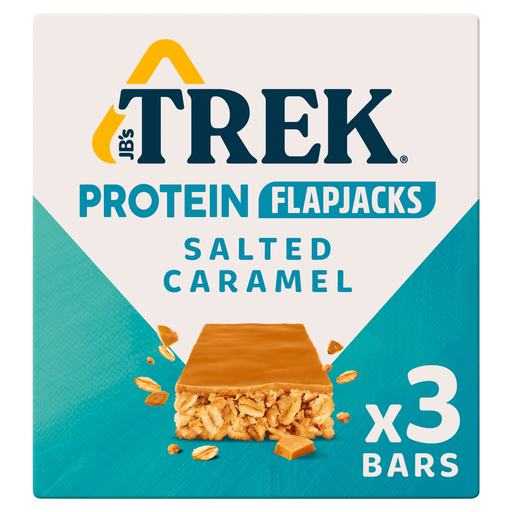
A flapjack multipack to consider if you are comparing protein bars for an office lunch. Check this flavour’s gluten-free and vegan claims on the current pack if either is essential, and assess its soya allergen information.
 No image available
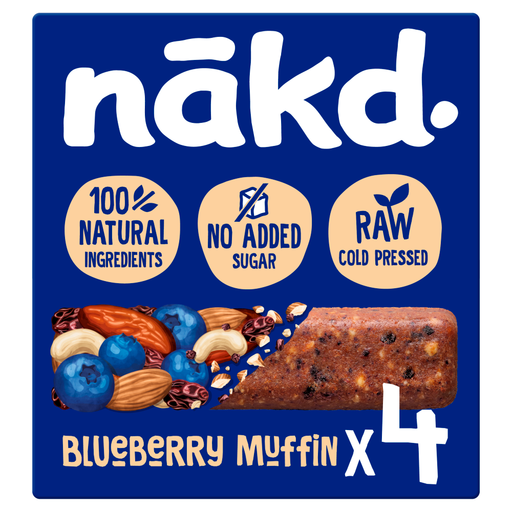
A fruit-and-nut multipack for shoppers comparing free-from claims. Check this flavour’s current gluten-free and dairy-free labelling alongside its cashew and almond ingredients and any precautionary wording for soya or peanuts.
 No image available
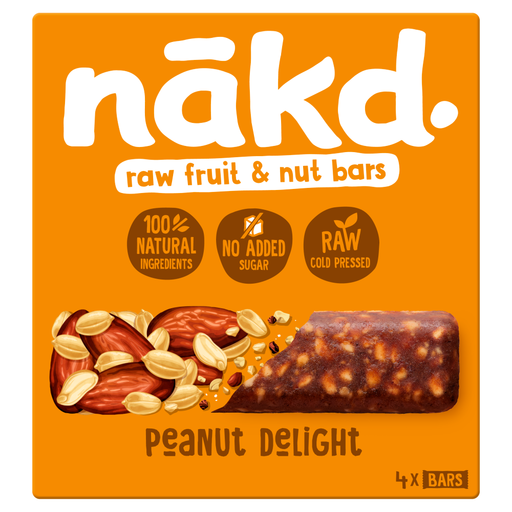
A peanut-based multipack to assess if peanuts fit your diet. Check the exact wrapper for its vegan and gluten-free claims, hazelnut information and any precautionary statement for soya or other nuts.
 No image available
A gluten-free protein-bar option if peanuts, soya and milk fit your diet. Nature Valley UK lists about 10g protein and 4g fibre per 40g bar; the Joybuy ingredient listing includes peanuts, soya and milk. Check the wrapper for any precautionary nut statement.
 No image available
Another protein-bar multipack for comparison. Check this flavour’s gluten-free claim and current allergen label independently of the Peanut & Chocolate variant, particularly if you avoid peanuts, almonds, soya or milk.
No. A vegan claim does not rule out nuts, soya or precautionary allergen statements. TREK Original Oat, for example, is vegan but contains soya and may contain peanuts, nuts and milk; check the exact wrapper for the allergen you avoid.
No. Coeliac UK explains that standard oats can be contaminated with wheat, barley or rye. If you need to avoid gluten, look for an explicit gluten-free claim on the bar; if you have coeliac disease, follow your individual clinical advice about gluten-free oats.
It is precautionary allergen wording indicating that nuts could be unintentionally present, rather than naming nuts as an ingredient. The Food Standards Agency advises that such statements communicate a potential cross-contamination risk, so assess them alongside the ingredient list when avoiding that allergen.
Use the listing to shortlist bars, then check the current individual wrapper before eating the bar or giving it to someone else. Ingredients and precautionary wording on the exact product matter more than a general brand or online category description.