Families managing a diagnosed allergy or coeliac disease
Match the exact bar’s ingredients and allergen statement to the child’s requirements. Gluten-free, dairy-free and vegan describe different things; none covers every allergen.


Choose a school snack bar by the child’s specific allergen requirements and the school’s current food policy, rather than relying on a broad gluten-free, dairy-free or vegan claim. Check the ingredients and allergen statement on the pack you will send: a bar that meets one free-from requirement can still contain nuts, milk or soya.
Match the exact bar’s ingredients and allergen statement to the child’s requirements. Gluten-free, dairy-free and vegan describe different things; none covers every allergen.
Read the school’s current written guidance before packing a bar. Check both declared nuts and any precautionary nut statement on the product.
Start with the attribute that matters for the child, then compare ingredients, allergens, portion size and any nutrition information on the packs you are considering.
Start with required allergen exclusions and the school’s rules; compare portions and nutrition only among bars that meet those conditions.
| Priority | What to check | Your needs |
|---|---|---|
| Allergen match | Read the exact pack’s ingredients and allergen statement. Check each required exclusion separately, including relevant “may contain” wording; a gluten-free claim does not establish that a bar is free from nuts, milk or soya. | I need a bar that fits every allergen my child must avoid, not just one free-from claim. |
| School policy | Check the school’s current packed-lunch and allergy guidance, particularly any request to avoid nuts. Department for Education guidance for England says schools may discourage particular allergens and must publish an allergy safety policy. | Before putting a bar in the school bag, I want to know whether its ingredients and precautionary statements fit the school’s instructions. |
| Portion and nutrition | Compare the stated portion size and nutrition per bar or on the same per-100g basis. Check the allergen statement before using protein or fibre figures to choose between products. | If several bars meet the allergen and school requirements, I can compare the portions my child would actually take. |
| Exact variant | Match the flavour and pack size to the product being checked. Read the purchased pack rather than relying on another flavour or an older listing; Nature Valley advises checking packs because its products can be reformulated. | A familiar brand name is not enough: I want the information for the particular bar I am packing. |
Nature Valley Protein Peanut & Chocolate is described as gluten-free but contains peanut, soya and milk and may contain tree nuts. TREK Peanut Butter is also described as gluten-free but contains peanut and soya ingredients and may contain nuts and milk.
List the child’s required exclusions, then check each one against the ingredients and allergen statement of the exact bar.
nākd. Blueberry Muffin contains cashews and almonds. Eat Natural Peanut Soft Fruit Bar contains peanuts. Their other free-from attributes do not remove those ingredients.
If the school asks families to avoid nuts, compare the exact pack—including precautionary statements—with its written guidance before sending it.
Eat Natural Peanut Soft Fruit Bar is vegan and contains peanuts, while its Almond & Apricot Yoghurt bar contains milk and almonds. An allergen check for one does not answer the question for the other.
Check the flavour and pack you intend to buy, even when you know the brand.
Department for Education guidance for England allows schools to discourage particular allergens, such as nuts, while requiring a published allergy safety policy. The individual school’s arrangements matter.
Read its latest allergy and packed-lunch guidance, and follow any plan made for the child.
Use these examples to identify products worth checking, not as brand-wide allergen guarantees.
Its Protein Peanut & Chocolate bar is described by Nature Valley UK as gluten-free.
Alpen Muesli’s FAQ says its products contain gluten from wheat, barley or oats.
Eat Natural UK describes its Peanut Soft Fruit Bar and Almond & Apricot Yoghurt bar as gluten-free, but their other allergens differ.
nākd. describes Blueberry Muffin as gluten-free, dairy-free and vegan.
TREK describes its Peanut Butter bar as gluten-free and vegan, with 9g plant protein per 50g bar.
Graze describes its Oat Boost flapjacks as made with wholegrain oats.
These bars offer different starting points for checking gluten-free preferences, other allergens and school nut guidance. Choose by the exact variant and its current pack, not by a free-from label elsewhere in the range.
 No image available
For a gluten-free search, check this Salted Caramel variant’s wording on the pack rather than using the allergen information for TREK Peanut Butter. The supplied selection information identifies soya as an allergen; check the current pack for any nut warning and against the school’s policy.
 No image available
Nature Valley UK describes this variant as gluten-free, but it contains peanut, soya and milk and may contain tree nuts. Check the school’s nut guidance and the current pack before choosing it for a school snack.
 No image available
If gluten-free is the aim, confirm the claim on this Salted Caramel Nut pack rather than transferring it from another Nature Valley flavour. The supplied selection information identifies peanuts, almonds, milk and soya, so compare the pack with the child’s exclusions and the school’s nut guidance.
 No image available
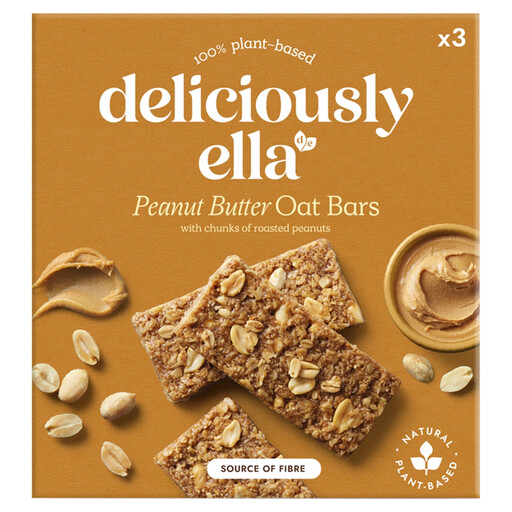
The Peanut Butter variant contains peanuts. The supplied selection information also flags a “may contain” warning for milk, nuts and soya; check its current pack and the school’s instructions before packing it.
 No image available
nākd. describes Blueberry Muffin as gluten-free and dairy-free, but its ingredients include cashews and almonds. It may also contain soya, peanuts and other nuts, so check the purchased pack and any school nut-avoidance request.
No. Nature Valley Protein Peanut & Chocolate is described as gluten-free but contains peanut, soya and milk; nākd. Blueberry Muffin is gluten-free and dairy-free but contains cashews and almonds. Check the exact pack against the child’s individual allergens.
Check the child’s requirements and the school’s current policy first. Department for Education guidance for England says schools may discourage allergens such as nuts and must publish an allergy safety policy; it does not establish one nut rule for every school.
No. Eat Natural Peanut Soft Fruit Bar is described as vegan but contains peanuts and may contain milk, soya and tree nuts. TREK Peanut Butter is vegan but contains peanut and soya ingredients and may contain nuts and milk. Read both the ingredients and precautionary statement.
Use the wrapper of the bar you buy as the final ingredient and allergen check. Nature Valley warns that its products can be reformulated and advises checking the pack’s ingredients and nutrition information.
Do not give it to a child who needs to avoid the allergen. Keep the packaging, contact the retailer or manufacturer, and check Food Standards Agency Allergy Alerts. The Food Standards Agency says it issues these alerts for allergy risks, including missing or incorrect allergen labelling.