Travellers avoiding gluten
Look for a gluten-free claim on the exact bar and flavour, then check its other ingredients. Nature Valley describes its Protein Salted Caramel Nut bar as gluten free, but it contains peanuts, almonds, milk and soya.


Choose a snack bar for a train journey by the specific ingredient or allergen you need to avoid, not by a broad free-from or vegan description. A gluten-free bar can contain nuts, milk or soya, while a vegan fruit-and-nut bar can contain cashews; check the exact flavour’s current ingredients and any ‘may contain’ statement before you travel.
The useful label depends on what you must avoid; no single free-from description covers every ingredient or cross-contact concern.
Look for a gluten-free claim on the exact bar and flavour, then check its other ingredients. Nature Valley describes its Protein Salted Caramel Nut bar as gluten free, but it contains peanuts, almonds, milk and soya.
Check both the dietary description and the allergen information. nākd. describes its fruit-and-nut bars as vegan and dairy-free, but its Cocoa Orange bar contains cashews. TREK’s vegan Cocoa Oat flapjack contains soya and carries a precautionary warning for milk.
Check the current pack’s ingredients and any ‘may contain’ wording for the exact flavour. UK government allergen guidance covers 14 specified allergens when they are ingredients; the Food Standards Agency explains that precautionary wording addresses possible unintended presence.
Start with the ingredient you need to avoid, then consider the bar’s format and nutrition information. A claim about one dietary requirement does not answer the others.
| Priority | What to check | Your needs |
|---|---|---|
| Exact ingredients | Read the current pack for the named flavour. Check a gluten-free or dairy-free claim alongside its ingredient and allergen list; do not apply one flavour’s details to the whole range. | I need to know whether this particular bar avoids the ingredient that matters to me, not just whether the brand sells free-from products. |
| Precautionary wording | Read ‘may contain’ statements separately from ingredients. The Food Standards Agency explains that precautionary allergen labelling communicates possible unintended allergen presence. | If cross-contact matters for my allergy, I need to consider that warning before packing the bar. |
| Vegan and dairy-free claims | Check the product’s own claim, then inspect nuts, peanuts, soya and any milk warning. Vegan status alone does not settle those separate concerns. | A bar without animal ingredients may suit my dietary choice, but I still need to check any allergens I avoid. |
| Portion and nutrition | Check the number and size of bars in the pack. If protein or fibre matters to your choice, compare the figures per bar on the current labels rather than treating a ‘protein bar’ description as a meal plan. | For a journey with a later meal, I may want a compact portion with nutrition information I can compare, after checking dietary suitability. |
A brand’s general dietary description does not establish what is in an individual bar. Nature Valley’s gluten-free Protein Salted Caramel Nut bar, for example, contains peanuts, almonds, milk and soya.
Choose the exact product and flavour first, then read its current pack.
The Food Standards Agency says precautionary allergen labelling communicates that an allergen could be unintentionally present. TREK Cocoa Oat and nākd. Cocoa Orange illustrate why the ingredient list and precautionary wording need separate attention.
If cross-contact is relevant to your allergy, include that wording in your decision and follow your established allergy-management advice.
A stated protein amount describes one part of a bar’s nutrition; it does not establish that the bar meets your needs for a delayed meal or overrides its allergen information.
Compare the current per-bar nutrition labels if those figures matter to you, and make a separate plan for meals during the journey.
These examples show why product and flavour details matter more than a brand-wide assumption; they do not describe every bar in each range.
The Protein Salted Caramel Nut bar is a specific gluten-free option with around 10 g protein and around 4 g fibre per 40 g bar, according to Nature Valley UK.
nākd. describes its fruit-and-nut bars as vegan, gluten-free, wheat-free and dairy-free.
TREK describes its Cocoa Oat Protein Flapjack as vegan and made with gluten-free oats, with 9 g plant protein.
Tesco’s listing describes the Eat Natural Apple, Ginger & Dark Chocolate bar as gluten free and individually wrapped.
Graze says all its snacks are vegetarian and most are vegan; that does not identify which particular bars meet another free-from requirement.
Alpen’s ingredient information dated November 2021 says its products contain wheat, barley or oats.
These Joybuy options cover oat and protein-bar formats, a fruit-and-nut bar and a peanut-butter oat bar for train journeys. Check each flavour’s current pack against your own ingredient and allergen requirements.
 No image available
An oat-flapjack format to consider for a train journey if you are looking for a vegan option. The pack contains three 50 g bars; check this Salted Caramel flavour’s current gluten-free claim, soya ingredients and any precautionary allergen wording rather than applying details from TREK Cocoa Oat.
 No image available
For someone choosing a gluten-free protein bar, Nature Valley UK states that each 40 g Salted Caramel Nut bar has around 10 g protein and around 4 g fibre. This four-bar pack is not an option for avoiding peanuts, almonds, milk or soya; the product may also contain other tree nuts.
 No image available
This four-bar pack offers a peanut-and-chocolate flavour for a journey. If you need to avoid gluten or an allergen, check the current Peanut & Chocolate pack specifically: the Salted Caramel Nut flavour’s claims and allergen details cannot establish this flavour’s suitability.
 No image available
A four-pack of 35 g fruit-and-nut bars for travellers considering that format. nākd. describes its fruit-and-nut range as vegan, gluten-free and dairy-free, but check the current Blueberry Muffin pack for its own claims, nut ingredients and precautionary wording; Cocoa Orange’s allergen list does not describe this flavour.
 No image available
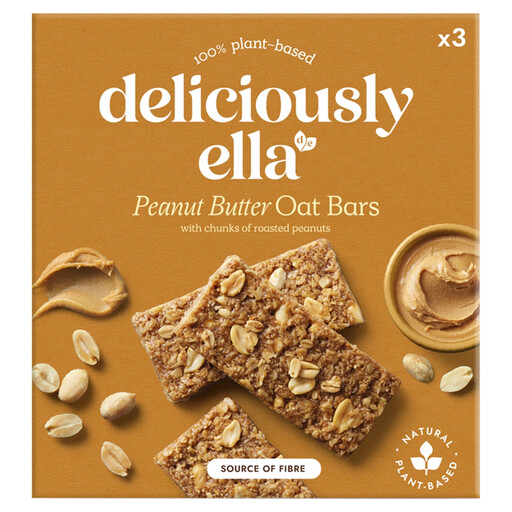
A baked oat-bar format in a pack of three 50 g bars. Because this is the Peanut Butter variant, check its current peanut allergen declaration, any other allergen warnings and its gluten-free wording against your requirements before packing it.
No. Nature Valley UK describes its Protein Salted Caramel Nut bar as gluten free, but says it contains peanuts, almonds, milk and soya. Check the complete allergen information for the exact bar you plan to take.
Read the current pack’s ingredients, allergen declarations and any precautionary statement for the exact flavour. UK government guidance says food businesses must declare the 14 specified allergens when they are ingredients; a claim about one ingredient does not cover every allergy.
It signals possible unintended allergen presence, according to the Food Standards Agency’s explanation of precautionary allergen labelling. Consider it separately from the ingredient list when that allergen is relevant to you.
No. TREK describes its Cocoa Oat flapjack as vegan, but says it contains soya and may contain peanuts, nuts and milk. nākd.’s vegan Cocoa Orange bar contains cashews, so check the particular product and its precautionary wording.
Use the current pack and manufacturer information for the exact Alpen bar instead. Alpen’s available wheat, oat and gluten ingredient document is dated November 2021, so it cannot establish a product’s present ingredients.