Car boot sale organisers serving varied dietary needs
Keep bars in their original wrappers and identify each product by its specific dietary claims. A gluten-free, dairy-free or vegan label does not establish suitability for every allergy.


Choose individually sealed bars by the particular dietary requirement, and leave the original ingredient and allergen information available to buyers. A gluten-free or dairy-free fruit-and-nut bar can still contain nuts; gluten-free protein bars can contain soya, milk or nuts, so no single “free-from” section should be presented as suitable for every allergy.
Keep bars in their original wrappers and identify each product by its specific dietary claims. A gluten-free, dairy-free or vegan label does not establish suitability for every allergy.
Fruit-and-nut bars may meet a particular free-from requirement, while selected protein bars offer gluten-free options. Check the exact flavour for nuts, soya, milk and any precautionary allergen statement before choosing.
Use the original wrapper to check the named ingredients and any “may contain” statement for that particular bar. Do not treat a claim about one ingredient as an answer about other allergens.
Start with the buyer’s specific requirement, then check the exact wrapper before comparing portion sizes or varieties.
| Priority | What to check | Your needs |
|---|---|---|
| Allergen information | Keep the original ingredient panel available. Check declared allergens and any “may contain” statement for the exact flavour; the Food Standards Agency explains that precautionary statements signal possible unintended allergen presence. | I need to see what is in this particular bar before choosing it for someone with an allergy. |
| Specific free-from claim | Match the gluten-free, wheat-free, dairy-free or vegan claim to the actual requirement. Check other ingredients separately: nākd. fruit-and-nut bars use nuts, while TREK Original Oat and Nature Valley Salted Caramel Nut have their own allergen declarations. | A gluten-free choice for one buyer may not work for someone avoiding nuts, milk or soya. I would rather see clearly identified options than one mixed “free-from” basket. |
| Portion and composition | Compare the weight per bar, not just the number in a pack. Where the exact product states protein or fibre per bar, compare figures on that same basis and check its allergens as well. | For a small refreshment, I may choose a 35 g fruit-and-nut bar; for another occasion, I may prefer a 40 g or 50 g bar after checking its ingredients. |
TREK Original Oat is described by TREK as gluten-free but contains soya and may contain peanuts, nuts and milk. Nature Valley Salted Caramel Nut contains peanuts, almonds, soya and milk.
Describe the claim a bar actually carries, and let buyers check its original ingredient panel and precautionary statements for other allergens.
Removing the original wrapper makes it harder for buyers to check a bar. If a food business packs food before offering it for sale at the same location, prepacked-for-direct-sale labelling requirements may apply.
Keep manufacturer-sealed bars in their wrappers. If you pack food yourself, check whether the prepacked-for-direct-sale rules apply before offering it for sale.
Weetabix lists oats, wheat, milk, hazelnuts and almonds in Alpen Fruit, Nut & Chocolate, and says it is not suitable for other nut-allergy sufferers.
Keep general snack bars distinct from bars selected for a stated dietary requirement, and check the exact pack before describing an alternative to a buyer.
Nature Valley UK notes that recipes differ across its flavours and ranges. A claim or ingredient list for one bar should not be applied to another.
Check each flavour’s physical pack before sorting bars or writing signs, and check again when using a different pack.
These examples show why a brand name or broad product range cannot replace a check of the individual bar.
Fruit-and-nut bars are one of nākd.’s snack-bar ranges.
TREK offers plant-protein flapjacks, including Original Oat.
Its ranges include the gluten-free Salted Caramel Nut protein bar.
Alpen makes cereal bars with different fruit, nut and chocolate combinations.
Graze sells snacks made with ingredients including wholegrains, fruit and nuts.
The positions organise product examples by the dietary need each addresses and the allergens to check; they do not measure safety, popularity or value. Only the first example is listed on Joybuy, and the platform names below are not purchase links.
| Rank | Bar | Main specifications | Reason to consider | Platform |
|---|---|---|---|---|
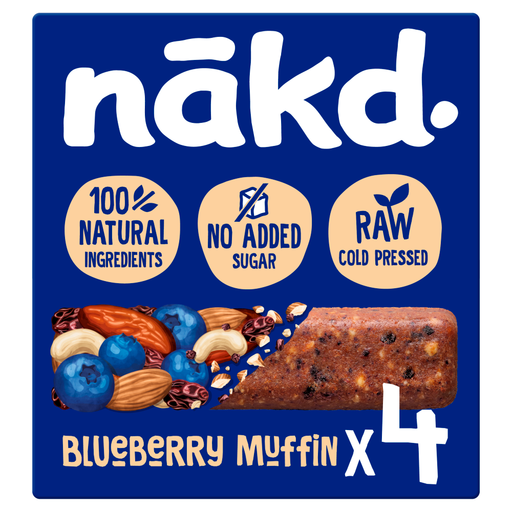
| 1 | nākd. Blueberry Muffin Raw Fruit & Nut Bars, 4 x 35g | Gluten-free and dairy-free; contains almonds and cashews. | For a buyer seeking those specific free-from claims who can eat its nuts. The Joybuy product listing also says it may contain other nuts, peanuts and soya. | Joybuy |
| 2 | TREK Original Oat Protein Flapjack | 50 g bar; gluten-free; 10 g plant protein. | TREK describes Original Oat as vegan, but states that it contains soya and may contain peanuts, nuts and milk. | TREK |
| 3 | Nature Valley Protein Salted Caramel Nut Bars | 40 g bar; gluten-free; around 10 g protein and 4 g fibre. | Nature Valley UK lists peanuts, almonds, soya and milk in this bar, with a precautionary statement for other tree nuts. It suits a gluten-free requirement only when those ingredients are acceptable. | Nature Valley |
| 4 | Alpen Fruit, Nut & Chocolate Bars | 29 g bar; ingredients include oats, wheat, milk, hazelnuts and almonds. | A general cereal-bar example rather than a free-from option. Weetabix says it is not suitable for other nut-allergy sufferers. | Alpen |
These fruit-and-nut bars and protein flapjacks offer different options for car boot sale refreshments. Choose by the buyer’s specific requirement and check each pack’s allergen information; the products are not interchangeable for allergy needs.
 No image available
Consider this gluten-free option only where peanuts, almonds, milk and soya are acceptable. The 40 g bar provides around 10 g protein and 4 g fibre according to Nature Valley UK; check the pack for its other-tree-nut precaution.
 No image available
A gluten-free and dairy-free fruit-and-nut option when the buyer can eat almonds and cashews. The Joybuy listing for this 4 x 35 g pack also states that it may contain other nuts, peanuts and soya.
 No image available
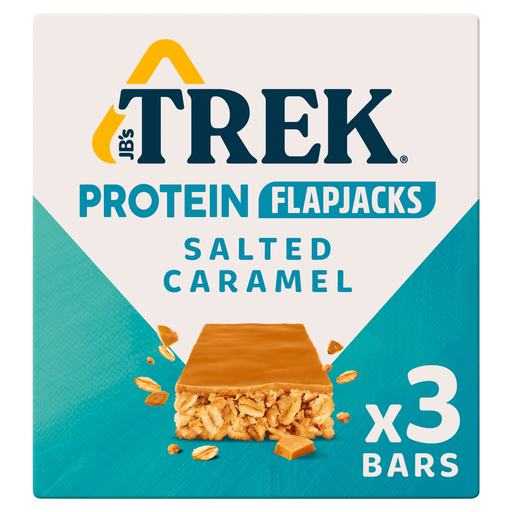
This portioned flapjack may be worth checking for a gluten-free refreshment when soya is acceptable. The pack contains three 50 g bars; check the Salted Caramel wrapper for its gluten-free claim and any nut, peanut or milk precautionary statements rather than applying information from another TREK flavour.
 No image available
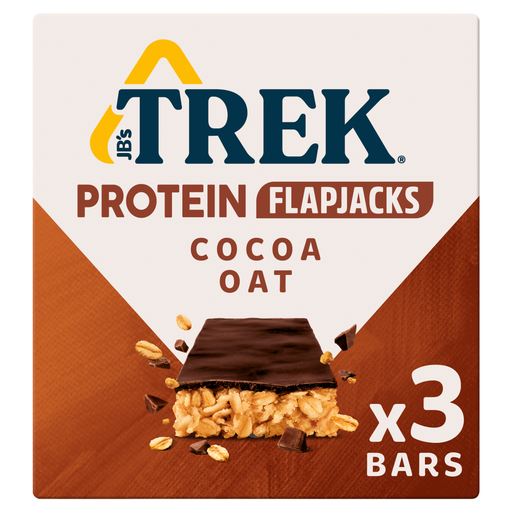
For a cocoa-flavoured flapjack, this pack contains three 50 g bars. Check the Cocoa Oat wrapper for its gluten-free claim and full allergen information: its product details identify soya, and another TREK flavour’s precautionary statement cannot stand in for this one.
 No image available
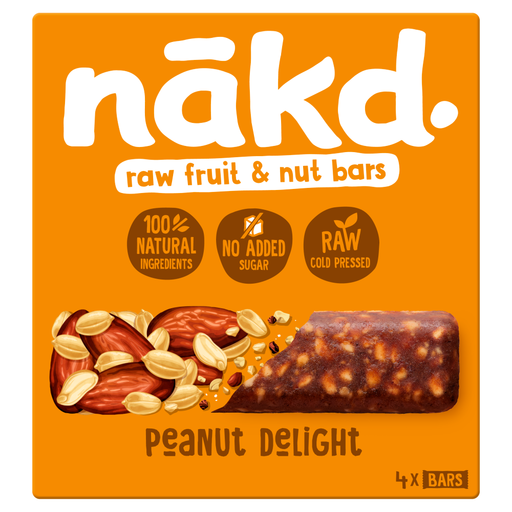
This fruit-and-nut choice is not for someone avoiding peanuts. The pack contains four 35 g bars; its product information also identifies hazelnuts and a precaution for soya and other nuts, so check the physical wrapper before placing it in a dietary-needs section.
No. Match the claim to the person’s particular requirement and check the rest of the label. nākd. fruit-and-nut bars use nuts; TREK says Original Oat contains soya and may contain peanuts, nuts and milk; Nature Valley UK lists peanuts, almonds, soya and milk in Salted Caramel Nut.
Keep each bar in its original sealed wrapper and make its ingredient information available. Identify products by their actual claims rather than giving a mixed selection a general “allergy-safe” label; buyers still need to check the bar that they choose.
Check whether the food becomes prepacked for direct sale: the relevant conditions include packing it before offering it for sale by the same food business at the same location. Food Standards Scotland states that, since 1 October 2021, food covered by these UK rules must carry its name and a full ingredients list with any of the 14 legally declarable allergens emphasised. Keeping manufacturer-sealed bars in their original wrappers avoids removing their existing ingredient information.
If the activity is a food business, the Food Standards Agency’s registration service says to register with the local authority at least 28 days before trading or starting food operations. Whether a particular occasional sale is a food business depends on the activity; ask the relevant local authority if you are unsure.
No. The Food Standards Agency explains that precautionary allergen labelling communicates possible unintended presence of a named allergen. A gluten-free claim addresses gluten, not a separate “may contain” statement about nuts, milk or soya; check both on the exact pack.