Office organisers stocking a shared tin
If colleagues have different dietary requirements, check each product rather than describing the whole tin as “free from”. Keep wrappers available for anyone choosing a snack.


Choose bars for an office biscuit tin by the specific allergen or dietary requirement, not by a general “free from” description: gluten-free, dairy-free and vegan mean different things. Keep each bar in its original wrapper so colleagues can check the current ingredients and “may contain” statements; a fruit-and-nut or protein bar may meet one requirement while conflicting with another.
If colleagues have different dietary requirements, check each product rather than describing the whole tin as “free from”. Keep wrappers available for anyone choosing a snack.
Look for the relevant claim on the individual product, then check its other ingredients and precautionary allergen statement. A vegan or gluten-free bar can still contain nuts or soya.
Check the protein information alongside the allergen list. For example, Nature Valley says its Peanut & Chocolate Protein bar contains peanut, soya and milk ingredients despite being labelled gluten free.
Start with the ingredient a colleague needs to avoid, then compare dietary claims and snack formats among products that meet that requirement.
| Priority | What to check | Your needs |
|---|---|---|
| Specific allergens | Read the current ingredients and any “may contain” statement for the exact flavour. Check milk, soya, peanuts and tree nuts separately where relevant. | I need to know which bars fit each colleague’s exclusions, rather than rely on a broad “free from” label. |
| Gluten-free status | Look for an explicit gluten-free claim on the product. Do not assume that an oat-based bar qualifies: Coeliac UK notes that oats can be contaminated with gluten and that some people with coeliac disease cannot tolerate avenin. | For a gluten-free choice, I want the claim on the bar itself, not an assumption based on its main ingredient. |
| Vegan or dairy-free choice | Check the specific claim and ingredients; vegan and dairy-free are different requirements. Review precautionary milk wording if milk avoidance is relevant. | A colleague may want a vegan snack, while another needs to assess milk information on the wrapper. |
| Mixed flavours | Read every flavour’s wrapper before putting a variety pack in the tin. An Ocado listing for a TREK Protein Flapjacks variety pack includes a Peanut Butter flavour alongside other flavours. | I want colleagues to be able to distinguish the bars in a mixed pack rather than assume they share one allergen profile. |
| Protein-led options | Compare protein per bar only after checking allergens. Nature Valley states that its 40g Peanut & Chocolate Protein bar provides around 10g protein and around 4g fibre, but contains peanut, soya and milk. | If I’m choosing a protein-led snack, its stated protein amount does not override an allergen exclusion. |
| Shared-tin labelling | Keep bars in their original wrappers and make nut-containing choices easy to identify. Check the packaging again when buying a different flavour or pack. | Anyone taking a bar needs access to that bar’s ingredients and allergen wording at the point of choice. |
Nature Valley’s gluten-free Peanut & Chocolate Protein bar contains peanut, soya and milk; Tesco lists cashews in nākd. Cocoa Orange and warns that it may contain soya, peanuts and other nuts.
Identify the exact allergen to avoid and read both the ingredients and precautionary wording on the current pack.
An Ocado-listed TREK flapjack variety pack includes Peanut Butter as well as other flavours. A claim about the pack’s vegan or gluten-free status does not establish identical ingredients for every flavour.
Check each wrapper and identify nut-containing flavours separately.
Nature Valley’s Peanut & Chocolate Protein bar contains peanut, soya and milk ingredients alongside its stated protein content.
Screen the exact bar against colleagues’ exclusions before comparing protein figures.
Without the original wrapper, the person choosing a bar cannot readily read its ingredient and allergen information. Food Standards Scotland’s guidance explains that prepacked food carries an ingredients list with specified allergens emphasised.
Leave wrappers intact and make it clear which products contain nuts.
These brand references show why a range-level description is a starting point, not a substitute for checking the chosen flavour.
Graze describes all its snacks as vegetarian and most as vegan.
Its Peanut & Chocolate Protein bar is labelled gluten free and has product-specific protein and fibre information.
Alpen is not a gluten-free route for this office-tin requirement.
Eat Natural presents a UK range of gluten-free bars and cereals.
nākd. describes its fruit-and-nut bars as suitable for vegans and free from gluten, wheat and dairy.
TREK describes its Protein Flapjacks as plant-based; an Ocado variety-pack listing identifies its flapjacks as vegan and gluten free.
These options include oat bars, fruit-and-nut bars and a fruit snack for a shared office tin. Check the current pack against each colleague’s requirements before adding a product to a communal supply.
 No image available
A flapjack option for colleagues considering plant-based bars. TREK describes its Protein Flapjacks as plant-based; check the Salted Caramel wrapper for its current ingredients and allergen statements, particularly where soya or milk matters.
 No image available
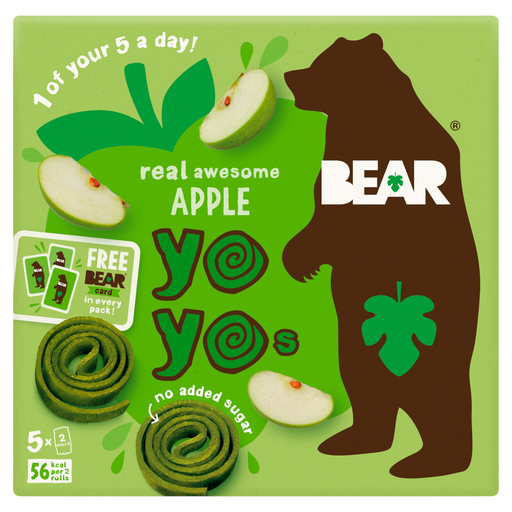
A fruit-snack alternative to the bars in this selection. Check the pack’s ingredients, allergen information and contents before using it for a particular free-from requirement.
 No image available
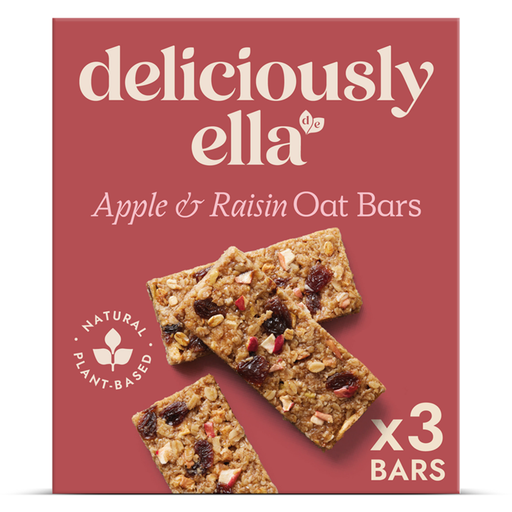
An oat-bar option for the office tin. If gluten-free or vegan status is needed, confirm the claim on this pack; also read any precautionary wording for milk, nuts, peanuts and soya.
 No image available
Peanut Delight is not a choice for anyone avoiding peanuts. nākd. describes its fruit-and-nut bars as vegan and free from gluten, wheat and dairy, but check this flavour’s current wrapper for the full ingredient and precautionary allergen information.
No image available
A fruit-and-nut bar for colleagues whose requirements fit the individual product label. nākd. describes its fruit-and-nut bars as vegan and free from gluten, wheat and dairy; check this flavour’s nuts and precautionary allergen wording before sharing it.
No. The claim applies to a particular ingredient or dietary requirement, not every allergen. Nature Valley labels its Peanut & Chocolate Protein bar gluten free, for example, but says it contains peanut, soya and milk ingredients and may contain tree nuts.
No. Food Standards Agency research explains that precautionary allergen labelling communicates possible unintended presence through cross-contact. Leave the statement visible and let the colleague affected assess it against their own allergy-management advice.
No. Look for an explicit gluten-free claim on the individual bar. Coeliac UK notes that oats can be contaminated with gluten and that some people with coeliac disease cannot tolerate avenin; Alpen also states that all its products contain gluten from wheat, barley or oats.
Keep each bar in its original wrapper and make nut-containing choices easy to distinguish. That leaves the ingredient list and allergen wording available to the person selecting a snack; separate sections do not make an unsuitable bar suitable for someone who must avoid its allergens.