Hosts serving a gluten-free guest
Look for an explicit gluten-free claim and read the packet before serving. Corn as an ingredient is not, by itself, confirmation that a chip meets the guest’s requirement.


Choose tortilla chips for a ploughman’s lunch by the guest’s specific allergen requirements: look for the relevant free-from claim, then check the ingredients and precautionary wording on the current packet. A corn base does not establish gluten-free suitability, and a gluten-free label does not mean the chips are milk-free. If flavour matters too, a lightly salted option makes a milder accompaniment than a chilli- or barbecue-seasoned one.
Look for an explicit gluten-free claim and read the packet before serving. Corn as an ingredient is not, by itself, confirmation that a chip meets the guest’s requirement.
Check the particular product’s ingredients and precautionary allergen wording against the allergens the guest needs to avoid. A gluten-free chip can still contain milk.
A lightly salted chip may fit better alongside cheese, pickle or chutney than a cheese-, barbecue- or chilli-flavoured variety. Flavour preference is a separate decision from allergen suitability.
Match the label to the guest’s requirements first, then choose a flavour that works with the rest of the lunch.
| Priority | What to check | Your needs |
|---|---|---|
| Gluten-free suitability | Look for an explicit gluten-free claim. Read the current packet’s ingredients and allergen information rather than relying on maize or corn in the product name. | I’m serving someone who needs gluten-free food, so I want the claim confirmed on the packet I’ll actually serve. |
| Milk ingredients | Check for milk, cheese, whey, buttermilk and cream. M&S lists milk-derived ingredients in its gluten-free Nacho Cheese Tortillas. | A gluten-free label alone won’t answer my question if my guest also needs to avoid milk. |
| Precautionary wording | Compare any ‘may contain’ or factory-handled allergen statement with the guest’s specific requirements. Food Standards Agency-commissioned research describes precautionary labelling as a warning that an allergen could be unintentionally present. | I need to consider possible cross-contact as well as ingredients added to the recipe. |
| Flavour | Compare lightly salted varieties with cheese, barbecue and chilli seasoning. Check the ingredients of the particular flavour you choose. | With cheese and pickle already on the plate, I’d prefer a milder chip for dipping. |
M&S Nacho Cheese Tortillas are labelled gluten-free but list cheddar cheese, whey and buttermilk from milk.
If milk must be avoided, check the current ingredients and allergen statement for that flavour, not just its gluten-free claim.
Tesco’s listing for Doritos Lightly Salted says it is made in a factory handling milk, wheat, gluten, barley, soya, celery and mustard, although its listed recipe is corn, oils and salt.
Compare both the ingredients and factory-handled wording with the allergens your guest needs to avoid.
A product listing can help you shortlist a chip, but the packet is the information available for the particular item you will serve.
Confirm that the product is available, then read its current label before buying and serving it.
Nacho, barbecue or chilli seasoning can change how a chip tastes alongside cheese, pickle and chutney.
If you want a neutral dipper, compare lightly salted options before settling on a flavoured variety.
These examples refer to particular products and flavours; check the label of the pack you choose rather than applying one product’s claims to a whole range.
Sainsbury’s lists its Free From Nacho Tortilla Chips as suitable for coeliacs and vegans.
Sainsbury’s lists Mister Free’d Barbecue Smoky Flavour tortilla chips as gluten-free, wheat-, dairy- and soya-free, and suitable for vegans.
Waitrose lists Gran Luchito Lightly Salted Tortilla Chips as gluten-free and suitable for vegans.
M&S lists its Cantina Tortilla Chips as gluten-free, with maize flour, vegetable oil and sea salt among the ingredients.
Tesco lists corn, vegetable oils and salt as ingredients in Doritos Lightly Salted Tortilla Chips.
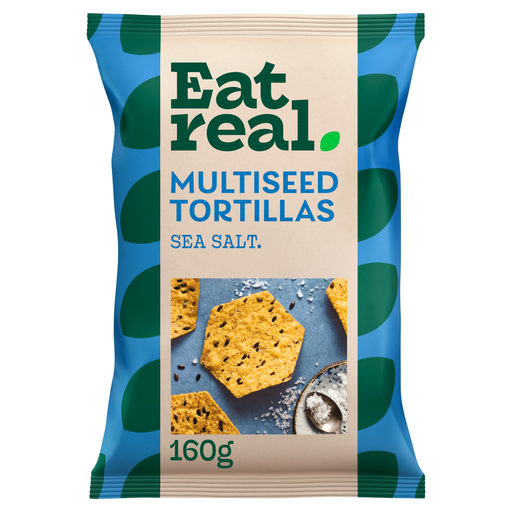
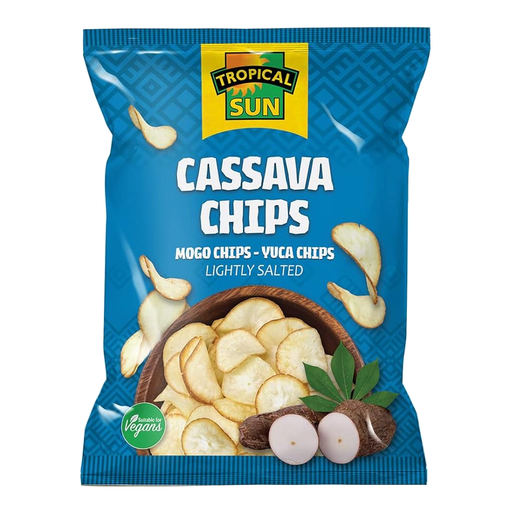
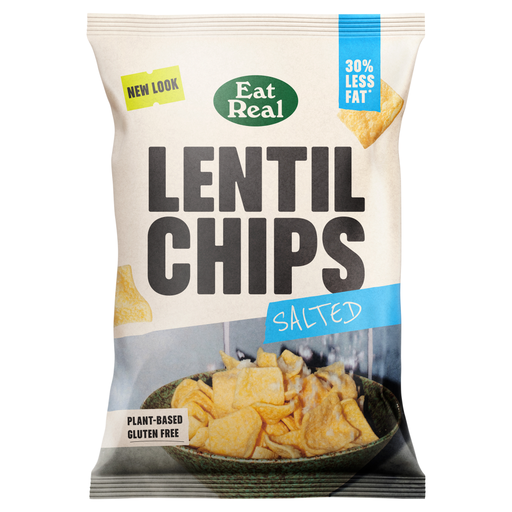
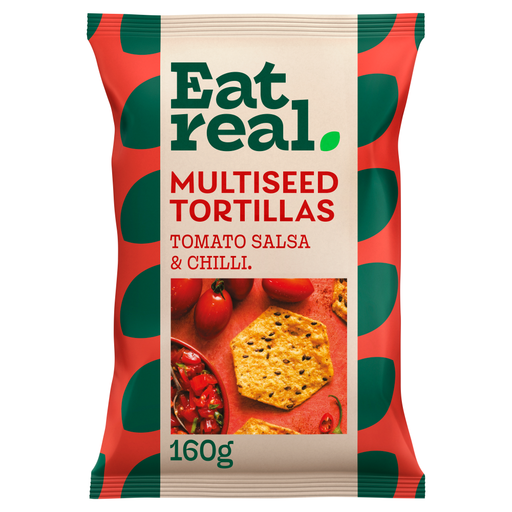
These options include multiseed tortillas and other chips that could accompany a ploughman’s lunch. Cassava, lentil and hummus chips are alternatives to tortilla chips, not interchangeable products; check each current packet against the guest’s allergen requirements.
 No image available
The sea-salt flavour is worth considering if you want a milder chip alongside cheese and pickle. Check the packet for the gluten-free or vegan claim you need, as well as ingredients and precautionary allergen wording.
 No image available
These lightly salted cassava chips are an alternative if you want a chip rather than specifically a corn tortilla chip. Check the current packet for the free-from claims, ingredients and allergen information relevant to your guest.
 No image available
The sea-salt flavour offers a milder alternative, but these are lentil chips rather than tortilla chips. The listed allergen advice says ‘may contain soya and celery’; check the current packet and do not choose them for a guest who needs to avoid that possible cross-contact.
 No image available
These hummus chips bring a tomato-and-basil flavour rather than a neutral tortilla-chip accompaniment. The listed allergen advice says ‘may contain celery’; check the current packet if celery is relevant to your guest.
 No image available
Choose this smoky tomato-and-chilli flavour only if it fits the lunch you are serving; it is less neutral than a sea-salt variety. Read the current packet for the required free-from claims, ingredients and precautionary allergen wording.
No. If a guest needs gluten-free food, choose a product with an explicit gluten-free claim and check its current label. Tesco’s Doritos Lightly Salted listing names corn, oils and salt as ingredients but also says the product is made in a factory handling wheat, gluten and barley; Waitrose explicitly describes Gran Luchito Lightly Salted as gluten-free.
Yes. M&S Nacho Cheese Tortillas are labelled gluten-free but list cheddar cheese, whey, buttermilk and cream from milk. For a guest avoiding milk, check the ingredients and allergen information for the specific flavour.
It is precautionary wording about an allergen that could be unintentionally present, rather than an ingredient deliberately added to the recipe. Food Standards Agency-commissioned research describes this purpose of precautionary allergen labelling. Compare the named allergens with the guest’s requirements and any advice they follow.
Use a retailer webpage to shortlist options, then read the current physical packet before buying and serving. Check the particular flavour’s ingredients, free-from claims and precautionary allergen wording rather than relying on another product in the same range.