
24/7 Customer Support

Free returns

Same-day & Next-day Delivery

Quality Guaranteed

Unlock Your Welcome Offers: FREE Delivery | Up to 80% OFF | Free 30-day JoyPlus trial
Download the APP
A freestanding cooker is the heart of many UK kitchens, but choosing a new one can be a surprisingly complex task. With a sea of technical jargon and enticing features, it is easy to make a purchase that leads to daily frustration. As a Joybuy Product Recommendation Officer, my role is to help you navigate the market by highlighting the practical details that truly matter, ensuring you find an appliance that fits your kitchen, your cooking style and your budget.
Before you start browsing, let's look at a few common pitfalls that can lead to buyer's remorse.
To make an informed choice, focus on these three non-negotiable factors. Getting them right is the foundation of a successful purchase.
Your home's existing connections will be a major factor, but it is worth knowing the distinct advantages of each.
Measure your kitchen space carefully before you begin.
With rising energy costs, an efficient appliance is a sensible long-term investment. A cooker's energy efficiency is graded on a scale, with 'A' being a common and solid rating for modern appliances. An A rated cooker is designed to perform its function without consuming excessive electricity or gas, helping to keep your utility bills in check over its lifespan.
Instead of providing a simple list, we have matched a few noteworthy models to the types of households they would suit.
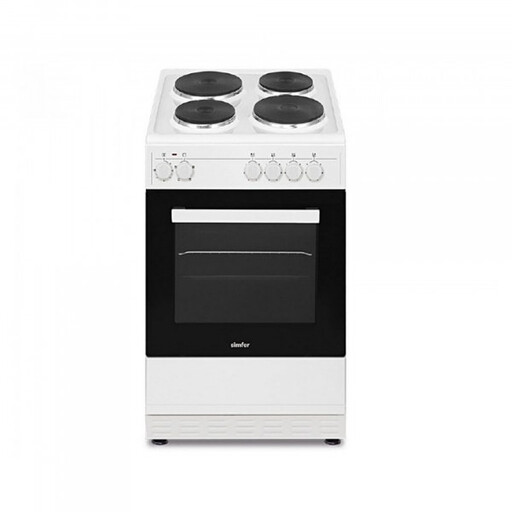
Why This Fits Their Persona: This cooker is designed for smaller kitchens, student housing or rental properties where space is at a premium. Its 50cm width and straightforward functionality make it a practical, no-fuss solution for everyday cooking without overwhelming a compact layout.
It features a traditional solid plate hob, a deliberate choice for durability and simplicity over trendier but less suitable options for this user. The product details clearly state it requires hardwiring, preventing the installation surprise.
Features a 48-litre single oven with an integrated grill and easy-clean enamel. Its A energy rating ensures running costs are kept low, a key factor for budget-conscious households.
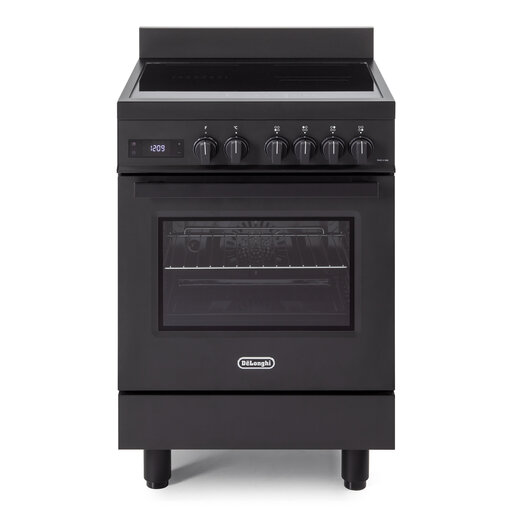
Why This Fits Their Persona: For the busy family that values speed, safety and efficiency. This 60cm cooker fits a standard kitchen space but is packed with modern features. The stylish black cooker finish also suits contemporary kitchen designs.
It avoids the "mismatched hob" pitfall by offering a high-performance induction hob, perfect for those who want rapid heating and a safer surface that only heats the pan. Its generous 74-litre oven capacity defies the "capacity illusion" for a 60cm model.
The 11-function multifunction oven offers incredible versatility, from fan cooking to a dedicated defrost function. The hob includes a bridge zone for larger pans and the cooker is A rated for energy efficiency.
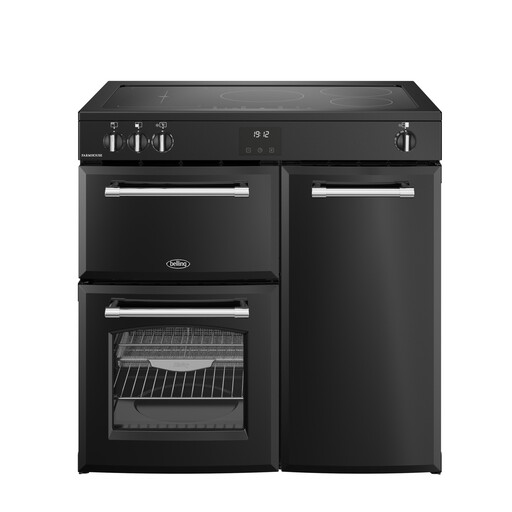
Why This Fits Their Persona: For large families or those who love hosting, this 90cm range cooker is a true kitchen centrepiece. It is built for high-volume cooking, with multiple ovens and a large hob to handle complex meals and batch baking with ease.
This cooker is the antithesis of the "capacity illusion." Its entire purpose is space, offering a massive 174 litres of combined oven capacity. The advanced 5-zone induction hob with linking technology is a deliberate choice for maximum performance.
It features two separate ovens (one fanned, one conventional) for ultimate flexibility. The main oven includes a dedicated AirFry function and the A energy rating ensures this large appliance runs efficiently.
We have compiled a complete, real-time list of products that fully satisfy these strict selection criteria and UK safety regulations.
1. How long should a freestanding cooker last? A well-maintained freestanding cooker can typically last between 10 and 15 years. The actual lifespan depends on factors like build quality, frequency of use and how well it is cleaned. Regular maintenance, such as cleaning oven liners and checking seals, can significantly extend its working life.
2. Do all electric cookers need to be hardwired? The vast majority of full-size freestanding cookers with an oven and multiple hob zones require a dedicated high-amperage electrical circuit and must be 'hardwired' by a qualified electrician. You should never attempt to plug one into a standard 13-amp socket. Always check the product's power requirements and plan for professional installation.
3. Are gas cookers cheaper to run than electric cookers? Historically, the unit cost of gas has been lower than electricity, often making gas cookers more economical to run. However, energy prices fluctuate and the efficiency of the appliance plays a huge role. Modern induction hob cookers are exceptionally efficient as they transfer energy directly to the pan with minimal waste, making their running costs highly competitive with gas. Choosing an A rated cooker, regardless of fuel type, is the most reliable way to ensure lower running costs.