
24/7 Customer Support

Free returns

Same-day & Next-day Delivery

Quality Guaranteed

Unlock Your Welcome Offers: FREE Delivery | Up to 80% OFF | Free 30-day JoyPlus trial
Download the APP
A freestanding fridge freezer is the undisputed hub of the modern British kitchen. It’s more than just an appliance; it’s the guardian of your family’s food, from fresh produce to batch-cooked meals. Yet, choosing a new one can feel like navigating a minefield of confusing jargon and over-hyped features. Many find themselves with a model that either doesn’t fit their space, costs a fortune to run or simply fails to deliver on its promises.
As a Joybuy Product Recommendation Officer, my role is to help you sidestep these common issues. Before you commit to a purchase, let’s look at the three most common pitfalls that lead to buyer's remorse and how you can avoid them.
To make a confident choice, focus on the core specifications that will directly impact your daily life. Getting these right is the key to a successful purchase.
The single most important factor is ensuring the appliance physically fits your kitchen. A freestanding model offers flexibility, but you still need to be precise.
This is a critical decision that affects both food preservation and maintenance.
Your fridge freezer runs 24/7, so its running cost is a major consideration.
To help you match an appliance to your specific needs, we’ve filtered our selection based on common UK household profiles.
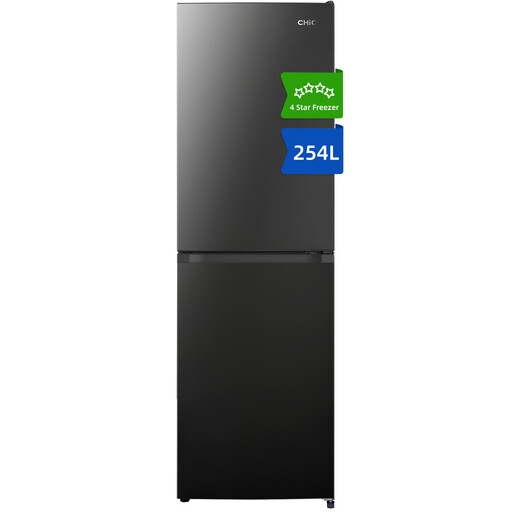
Why This Fits Their Persona: Its slimline 54cm width is designed for the tighter spaces common in new-build flats and galley kitchens. The sleek black fridge freezer finish and tall 176cm design provide a modern look while maximising vertical storage, offering a surprisingly generous 254L capacity.
It sidesteps the "Capacity vs. Usable Space" trap by offering a large capacity on a small footprint. It's also transparent about its Low Frost technology, avoiding confusion with more expensive Total No Frost systems.
Balances a space-saving footprint with substantial internal storage. The reversible door offers excellent installation flexibility for awkward kitchen layouts.
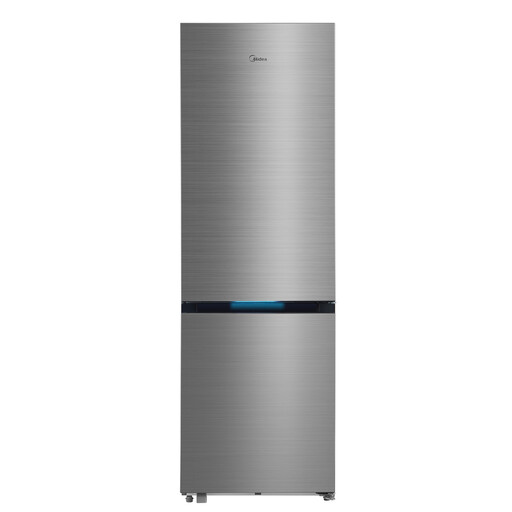
Why This Fits Their Persona: This is a perfect fit for a standard 60cm kitchen space, but it excels with features that matter for long-term ownership. The excellent C energy rating and ultra-quiet 35dB operation appeal directly to those focused on low running costs and a peaceful home environment.
It directly counters the "Misleading Energy Ratings" pitfall with a genuine C rating. It also features true Total No Frost technology, eliminating maintenance, and uses Slim Foam technology to provide a huge 400L capacity, avoiding the usable space trap.
Outstanding energy efficiency and ultra-quiet 35dB performance. The 70/30 fridge freezer split provides a large fridge section, ideal for fresh food lovers.
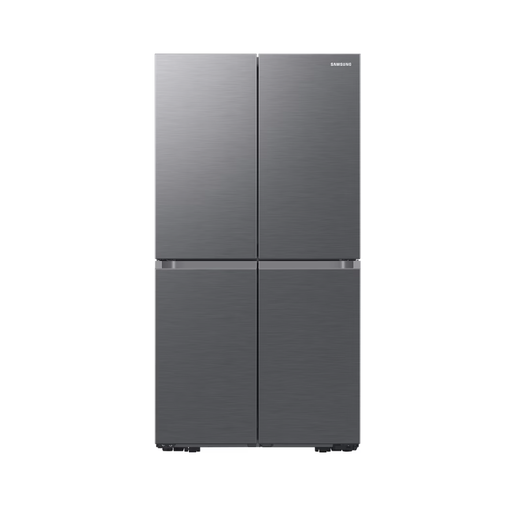
Why This Fits Their Persona: This is a premium American fridge freezer style appliance for those who need maximum capacity. The colossal 649L interior, multi-door design and smart features like the internal Autofill Water Pitcher are perfect for large, busy households that frequently host guests.
It solves the "Capacity vs. Usable Space" problem with SpaceMax technology, which uses slimmer insulation to create more internal room. It also features true Total No Frost and smart energy monitoring to give you control over running costs.
Enormous and highly flexible storage capacity. The internal, auto-filling water pitcher provides chilled, filtered water without compromising the sleek exterior.
We have compiled a complete, real-time list of products that fully satisfy these strict selection criteria and UK safety regulations.
Yes, under the UK's updated energy label system (rescaled in 2021), a C rated fridge freezer is considered highly energy-efficient. It places it in the upper tier of performance, translating to lower electricity bills compared to models with lower ratings like E or F. Always check the annual kWh consumption figure on the label for a precise cost estimate.
A well-maintained fridge freezer from a reputable brand typically has a lifespan of 10 to 15 years. The longevity depends on the build quality, usage and maintenance. Simple actions like regularly cleaning the condenser coils (if accessible) and ensuring good ventilation can help extend its operational life.
Absolutely. For proper ventilation and efficiency, most manufacturers recommend leaving a gap of at least 5cm (2 inches) at the back and sides and often at the top as well. This allows heat generated by the appliance to dissipate correctly, preventing the compressor from overworking and consuming excess energy. Always check the specific model's installation manual for exact clearance requirements.