Households keeping their TV
If the screen and HDMI input still work well, an external streaming device can add compatible internet apps without changing the television. Check the services you use and how you will sign in before choosing a device.


If your current television has a working HDMI input and still suits the household, adding a streaming stick or media player is usually less disruptive than replacing the screen. Choose a new TV when the display, controls or built-in platform also need changing; before relying on internet TV alone, check the connection at the TV, required apps and live or regional channels, and whether you still need aerial-delivered Freeview or recording.
If the screen and HDMI input still work well, an external streaming device can add compatible internet apps without changing the television. Check the services you use and how you will sign in before choosing a device.
List the channels, regional programmes, guide functions and recording you want to retain. Freeview says live Freeview through its TV Guide needs an aerial, while ITVX lists different regional live-content availability across streaming platforms.
Wi-Fi at the television, account sign-in and the remote can matter as much as picture specifications. If someone relies on subtitles, audio description or signing, check the chosen services and programmes as well as the device controls.
Start with the viewing functions the household cannot lose, then check the connection and whether the existing screen still meets your needs.
| Concern | What to check | Who this matters to |
|---|---|---|
| Connection reliability | Test speed and stability where the TV sits; check Wi-Fi coverage or whether a wired connection is practical. | If streaming breaks up in the TV room, I need a stable connection before changing picture hardware. About 29% of consumers put connection reliability first. |
| Live and local TV | Confirm required channels and regional live features on the exact platform; check whether aerial-based Freeview or recording must continue. | When regional news or a familiar live-TV guide is essential, I cannot assume an app will replace every aerial function. Keeping live and local viewing is the primary need for about 29% of consumers. |
| Keeping the television | Check the existing HDMI input, screen and controls before choosing an external device or a replacement TV. | If my current screen still suits us, I would rather add streaming than change the whole television. Deciding whether to retain the set comes first for about 24% of consumers. |
| Accessible setup | Try the remote and menus where possible; check sign-in methods and access services for the programmes you use. | When navigating menus or signing in is difficult, I need a setup everyone in the household can use. About 18% of consumers make accessibility and ease of setup their main concern. |
Freeview says live Freeview through its TV Guide requires an aerial. Internet-connected devices can show certain channels without one, but they do not automatically preserve every guide or recording function.
Write down the live channels, regional programmes and recording functions you need, then confirm each one on the proposed setup.
A 4K device will not fix unstable Wi-Fi. Netflix recommends a stable connection of at least 15 Mbps for its Ultra HD streaming; that is a service-specific recommendation, not a guarantee for every household.
Test the connection at the television and consider a suitable wired-network route if Wi-Fi there is unreliable.
ITVX lists platform and model conditions for device support, and its regional live-content availability differs between platforms.
Check the exact device model, software requirements and regional feature on the broadcaster's current support information before ordering.
Some streaming services require a separate subscription, and signing in on a TV may involve a QR code, numeric code or remote control. In the UK, GOV.UK says a TV Licence is required to watch or record live TV on any channel or service, or to use BBC iPlayer.
Check that the household can complete the required sign-ins and confirm which services and licence conditions apply to its viewing.
Separate service subscriptions may be needed for the programmes you want.
A streaming-stick route for adding apps to an HDMI television.
A compact HDMI streaming-stick route for a television you intend to keep.
A fixed Google TV media-player route where a wired connection is useful.
An Apple TV 4K media-player route with distinct network configurations.
A recorder route for households considering guide-led TV rather than streaming apps alone.
These selections include smart televisions for replacing a screen and a Roku stick for adding streaming to a TV with a working HDMI input. Check the connection and required live-TV functions whichever route you choose.
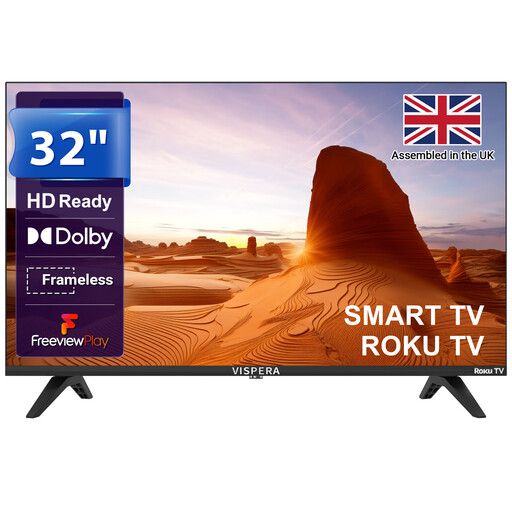 Image unavailable
Consider this if you also want to replace the television with a 32-inch smart model. The product name identifies Freeview HD; check the exact operating system and required apps, and do not assume live Freeview through its guide will work without an aerial.
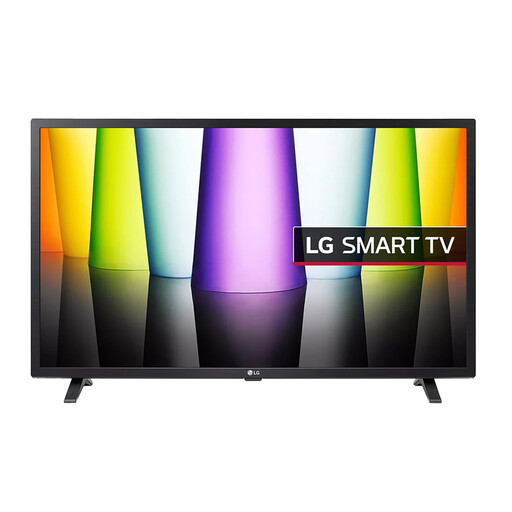 Image unavailable
This is another replacement-screen route, identified in the product name as an HD Ready webOS TV with Freeview HD. Confirm that this exact model offers your required broadcaster apps and regional live features; Freeview live TV through its guide still requires an aerial.
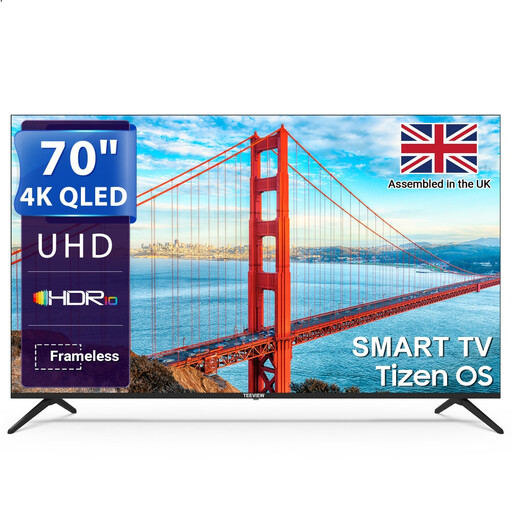 Image unavailable
Consider this only if a 70-inch replacement display suits the room as well as the move to internet TV. Its product name identifies Web OS and Freeview Play; check the exact model's apps and regional live features, and keep aerial requirements separate from internet catch-up viewing.
 Image unavailable
This stick is the keep-your-TV option if the set has a working HDMI input and Wi-Fi is reliable where you watch. Check the exact model's current apps and ITVX regional live support; a streaming stick does not itself restore aerial-delivered Freeview or recording.
Streaming can cover many on-demand programmes and some live channels, but it is not automatically a like-for-like replacement for aerial-delivered Freeview. Freeview says its live TV Guide needs an aerial, so confirm your required channels, regional programmes and recording arrangements before switching to internet-only viewing.
An external device is usually enough if your TV has a working HDMI input and its screen and controls still suit you. Consider replacing the TV if those parts also need changing, then check app and live-TV support for the exact new model.
Test stability and speed at the television, not just beside the router. Netflix recommends at least 15 Mbps for its Ultra HD streaming, but other services and simultaneous household use can change what your connection needs to handle.
In the UK, GOV.UK says you need a TV Licence to watch or record live TV on any channel or service, or to use BBC iPlayer. Using other services solely for on-demand programmes does not by itself create that requirement; check what the household actually watches.
Try the remote and menus where possible, then confirm the access services offered for the programmes you watch. Ofcom identifies subtitling, audio description and signing as access services; also check whether each app's sign-in method is manageable for the household.