
24/7 Customer Support

Free returns

Same-day & Next-day Delivery

Quality Guaranteed

Unlock Your Welcome Offers: FREE Delivery | Up to 80% OFF | Free 30-day JoyPlus trial
Download the APP
Choosing freeze-dried chicken pet treats can look straightforward: check the flavour, compare the pack size and place an order. However, product labels and marketing descriptions do not always make it easy to compare ingredients, texture or suitability. The right choice depends on your pet’s size, age, dietary needs and how you intend to use the treat.
This guide explains the important details to check before buying, from protein percentages to chew texture, while highlighting practical options for dogs, cats and other small animals.
Treats containing numerous flavours, colourings or fillers may be less suitable for owners looking for single-ingredient pet treats. A short composition list is easier to understand and can be useful when managing a restricted diet or monitoring potential sensitivities.
Look for the actual composition rather than relying only on front-of-pack wording. A product described as “natural” may still contain several ingredients, so check whether the label says 100% chicken breast, 100% chicken cartilage or another clearly identified ingredient.
Small, crumbly cubes may work well for training, while larger pieces or tougher chews may be more appropriate for supervised chewing. A crunchy product is not automatically suitable for a kitten, puppy, senior pet or animal with dental difficulties.
Some freeze-dried treats can be softened by soaking them in water. This offers additional flexibility, but it does not remove the need to supervise feeding or follow the product’s age and serving guidance.
Freeze-dried products are concentrated because much of their moisture has been removed. A small quantity can therefore provide a relatively dense treat. Treats should remain part of a balanced diet, not replace complete pet food unless a qualified veterinary professional has advised otherwise.
Measure portions according to the label and reduce main-meal quantities if necessary. Always provide fresh drinking water, especially when feeding dry treats.
For owners searching for natural pet treats, grain-free pet treats or chicken breast pet treats, the composition is a useful starting point. Single-ingredient products can make it easier to avoid cereals, artificial colours, flavours and preservatives.
They may also suit pets on restricted diets, but “single ingredient” does not guarantee that a pet will tolerate the food. If your dog or cat has a diagnosed allergy, speak to a veterinary professional and check manufacturing information for possible cross-contamination.
The analytical panel shows the approximate nutritional profile. For example, the Waita chicken breast and chicken cube products list:
These figures can help shoppers compare high-protein pet treats. They should not be interpreted as a complete nutritional assessment, however. Chicken cartilage and chicken neck products have different profiles, including higher ash or fat levels, because they contain different parts of the animal.
Consider how the treat will be used:
Chicken neck products are often marketed as chicken neck dental chews, but texture alone should not be treated as a substitute for a complete dental-care routine. Choose a size your pet can manage and supervise every feeding session.
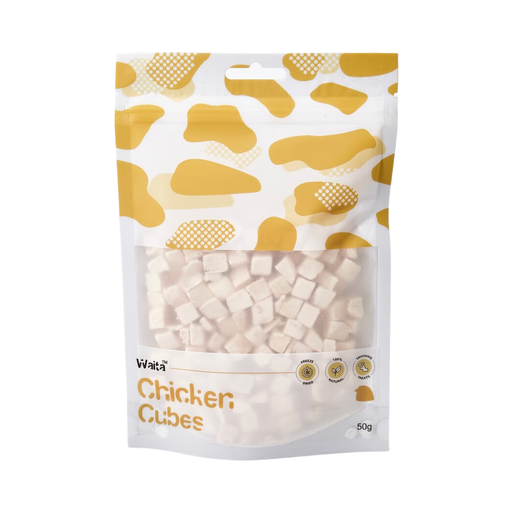
Why This Fits Their Persona: A versatile starting option for UK households wanting one pack for rewards, meal topping and occasional softened feeding.
The composition is listed as 100% chicken breast, with no artificial colours, flavours or preservatives added.
At least 72% crude protein; can be served whole, crumbled or rehydrated.
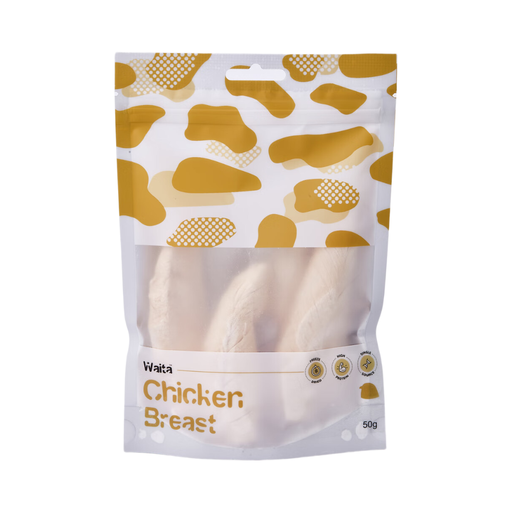
Why This Fits Their Persona: Suitable for owners prioritising a clearly defined, whole-cut protein treat for cats, dogs or small animals.
Its composition is 100% chicken breast and the product information states that no additives are included.
Low listed crude fat of at least 2%; pieces can be broken up for portion control.
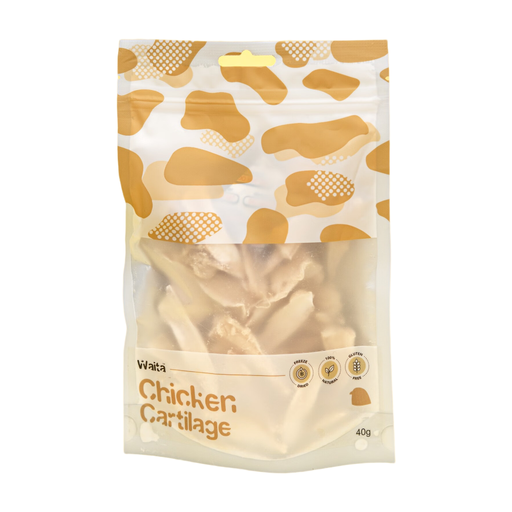
Why This Fits Their Persona: A targeted choice for owners seeking chicken cartilage treats for active, growing or older pets, subject to suitable chewing ability.
The product identifies 100% chicken cartilage rather than using a vague meat blend or undisclosed filler.
The product information lists at least 55% crude protein and permits dry or rehydrated feeding.
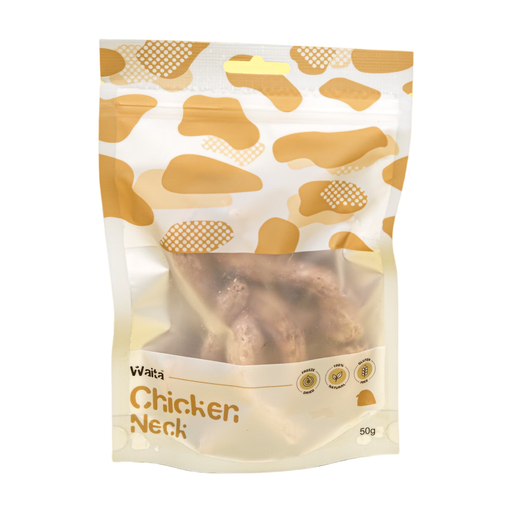
Why This Fits Their Persona: Designed for adult dogs whose owners want a larger, crunchy functional treat and can provide close supervision.
It clearly identifies 100% chicken neck and states that the product contains no additives or preservatives.
Its listed analytical constituents include at least 45% crude protein; the crunchy texture may provide chewing enrichment.
Before serving freeze-dried chicken treats for dogs or freeze-dried chicken treats for cats, check the following:
For cats, small dogs and pets with sensitive mouths, cubes or breast pieces may be easier to portion than larger chews. For pets needing joint support treats for dogs, cartilage or neck products may be considered as complementary snacks, but they should not replace veterinary advice or a complete diet.
We have compiled a complete, real-time list of products that fully satisfy these strict selection criteria and UK safety regulations.
Some products are labelled for both cats and dogs, while others are intended specifically for adult dogs. Check the product description, age guidance and feeding instructions before purchase. Cats may prefer small, easy-to-break pieces, whereas larger dog chews require more careful supervision.
Yes, the products featured here can be softened by soaking or mixing with warm water. This may be useful for pets that prefer a softer texture. Serve promptly after rehydration and follow the packaging guidance.
Shelf life varies by product and should be confirmed on the label. Once opened, reseal the packet and keep it away from moisture, heat and direct sunlight. Discard the product if its smell, appearance or texture changes noticeably.