
24/7 Customer Support

Free returns

Same-day & Next-day Delivery

Quality Guaranteed

Unlock Your Welcome Offers: FREE Delivery | Up to 80% OFF | Free 30-day JoyPlus trial
Download the APP
As a cat owner in the UK, finding the right food for your feline companion can feel like a complex task. You want the nutritional benefits associated with a raw diet, but the convenience of a dry food. This is particularly true if your cat has a sensitive stomach or specific dietary needs, making the search for a high-protein, grain-free option even more critical.
Freeze-dried complete cat food offers a compelling solution. It preserves the nutrients of raw ingredients in a safe, shelf-stable format that requires no messy prep or thawing. This guide is designed to help you navigate the options and understand what makes a quality freeze-dried food, allowing you to make an informed choice for your cat's well-being.
Before choosing a product, it helps to understand a few key factors. Keeping these points in mind will help you select a food that truly meets your cat's nutritional requirements.
The most important term to look for is "complete and balanced". This indicates the food is formulated to provide all the necessary nutrients your cat needs to thrive, as defined by UK and EU pet food regulations. A "complementary" food, on the other hand, is intended as a treat or a topper and should not be fed as a sole diet. For a primary meal, always choose a complete raw cat food formulation.
Cats are obligate carnivores, meaning their diet must consist of animal-based protein. A high-quality food will list a specific meat source (like chicken, duck or rabbit) as the first ingredient. For felines with suspected food intolerances, a single protein cat food can be an excellent choice. These recipes use only one type of animal protein, which can help to isolate and avoid ingredients that may cause digestive upset or skin irritation, making them a form of hypoallergenic cat food.
A high-quality freeze dried raw cat food should have a simple, transparent ingredient list. Look for a high protein cat food with a composition that reflects a whole-prey model—including muscle meat, organs and bone. Avoid foods with excessive fillers, artificial preservatives or ambiguous terms like "meat and animal derivatives". A grain-free cat food formula is often preferred by owners of cats with sensitive stomachs, as it removes common allergens and ingredients that cats can find difficult to digest.
Based on our criteria of ingredient quality, nutritional completeness and suitability for specific dietary needs, here are our recommendations for 2026.
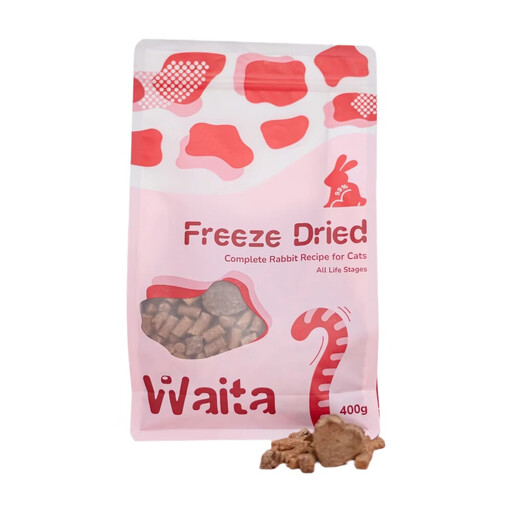
Why It Stands Out: This recipe uses rabbit as a novel, single-protein source, making it a standout option for cats with sensitivities to more common proteins like chicken or fish. The formula is based on a whole-prey model, incorporating rabbit meat, bone and organs for a nutrient-dense meal.
Pros:
Who is it for: Owners seeking a premium, hypoallergenic option for cats with persistent digestive issues or food intolerances. It is particularly suitable for those wanting to try a protein source that is less common in cat foods.
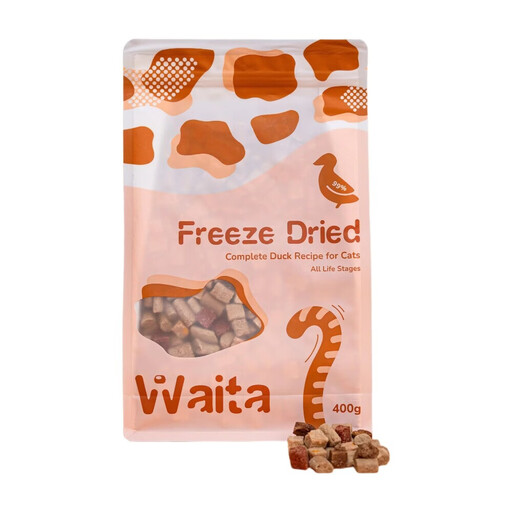
Why It Stands Out: This duck recipe is another excellent single-protein choice that is also chicken-free. It is distinguished by the inclusion of pumpkin, a natural source of fibre known to support healthy digestion and stool quality. This makes it a thoughtful choice for a cat food for sensitive stomachs.
Pros:
Who is it for: Cat owners who prioritise digestive health. It is a great fit for cats who may benefit from extra fibre in their diet, without compromising on the high-protein, raw-inspired nutrition.
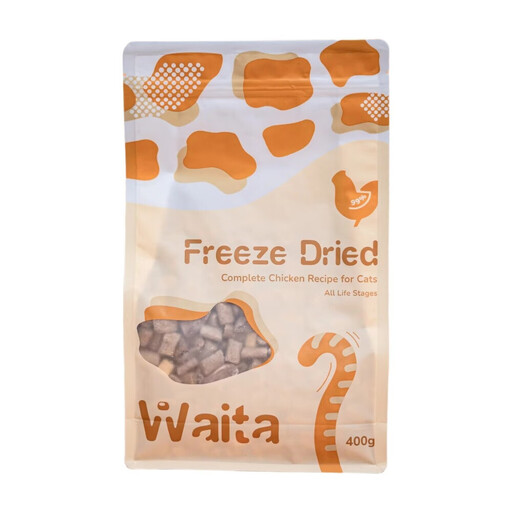
Why It Stands Out: For cats that thrive on poultry, this single-protein chicken recipe offers a classic, highly palatable option. It contains 99% whole-animal ingredients, including chicken meat, heart, liver and egg yolk cubes, providing a rich and varied nutritional profile that mimics a natural diet.
Pros:
Who is it for: A reliable choice for owners of cats without poultry sensitivities who are looking for a high-quality, protein-rich and convenient raw-alternative diet.
While these complete meals provide a fantastic nutritional foundation, you may also be looking for complementary items to add variety to your cat's diet. If you are interested in exploring toppers, treats or other supplementary options, you can browse our wider selection.
Explore our full range of snacks for cats.
Freeze-dried food is often considered the next best thing to a fresh raw cat food UK diet. The freeze-drying process gently removes water while preserving the vast majority of the nutrients, enzymes and amino acids found in the raw ingredients. It provides the nutritional profile of raw food but with the added benefits of a long shelf life and reduced risk of pathogens, offering a safe and convenient alternative.
A gradual transition is recommended to avoid digestive upset. Over 7-10 days, start by mixing a small amount of the new freeze-dried food with your cat's current food. Gradually increase the proportion of the new food while decreasing the old food until the transition is complete. You can serve it dry or rehydrated with a little warm water, which also helps increase your cat's moisture intake.
Yes, it can be an excellent option. Many freeze-dried foods are grain-free and use a limited number of high-quality ingredients, reducing the likelihood of triggering sensitivities. Opting for a single protein cat food, such as a rabbit or duck formula, can be particularly beneficial for identifying and eliminating problematic ingredients from your cat's diet. Always ensure fresh water is available, and consult your vet if your cat has persistent health concerns.